 Vietnamnet.vn

 Podcast



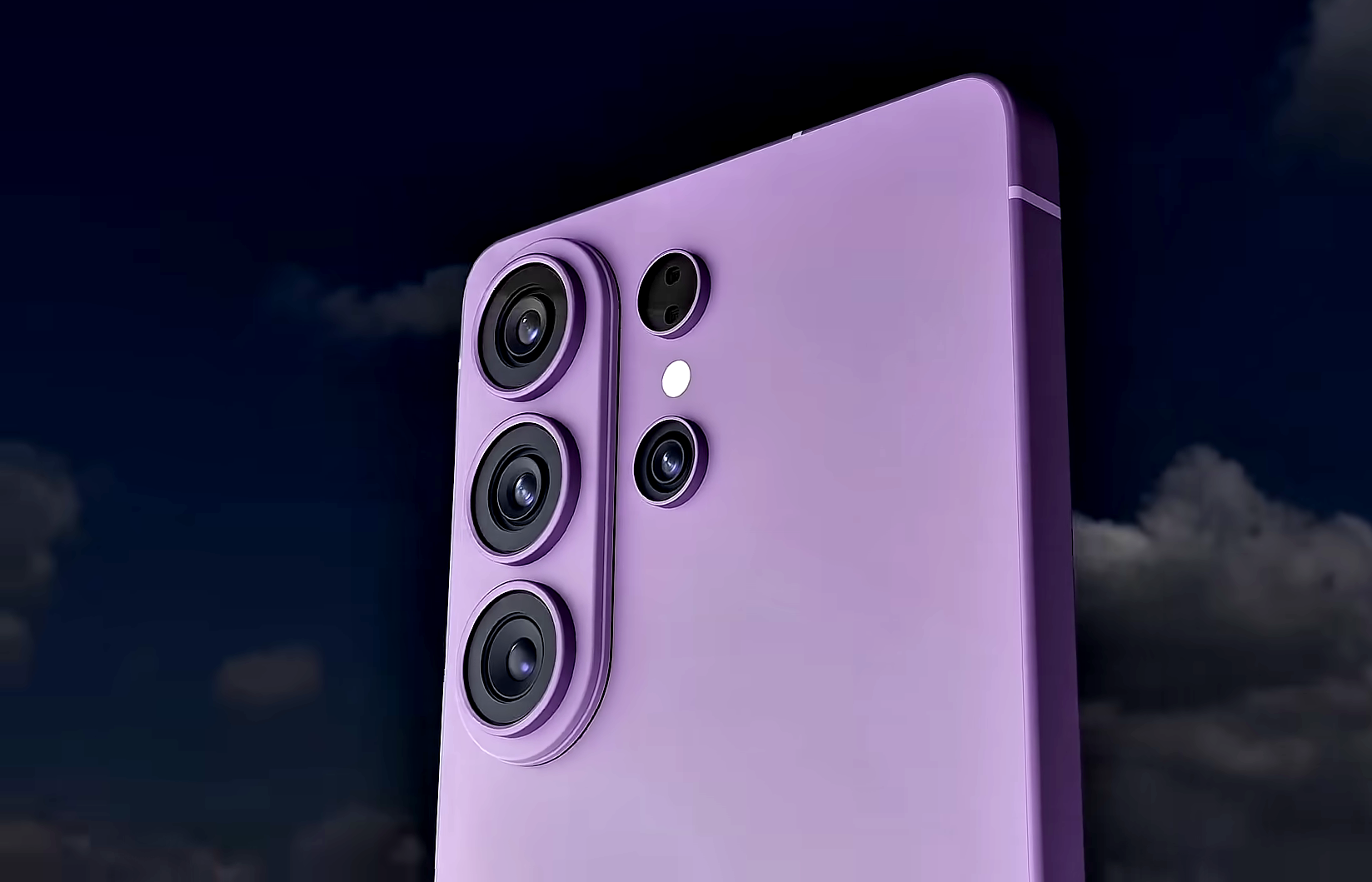
The device is now widely expected to lag behind the Pixel 10 and iPhone 17 in one increasingly important area: an integrated magnetic system for wireless charging and accessories based on the Qi2 standard.
According to the latest leaks, Samsung still appears unwilling to bring full Qi2 support to the Galaxy S26 lineup, despite the standard rapidly becoming mainstream in the high-end smartphone market.
A long-time and highly regarded industry leaker has now effectively extinguished any remaining hopes, stating with a high level of certainty that the Galaxy S26 Ultra will not feature built-in magnets inside the device.
Instead, users will be forced to rely on magnetic cases if they want to fully access Qi2 features.
Conflicting signals from early leaks
In the early stages, leaks surrounding the Galaxy S26 series had raised expectations.
Some sources claimed that all three models in the S26 lineup would be equipped with internal magnets, improving alignment for wireless charging and opening the door to a magnetic accessory ecosystem similar to Apple’s MagSafe.
However, that excitement was quickly dampened by subsequent rumors suggesting that Samsung would not offer “true” Qi2 support.
Rather than integrating magnets directly into the phone’s body, the company was said to be limiting itself to a “Qi2-ready” approach - technically compatible, but missing the most critical hardware component.
Well-known leaker Ice Universe, who has a strong track record with Samsung products, later joined the discussion to put an end to the ambiguity.
Citing independent sources, Ice Universe confirmed that the Galaxy S26 Ultra would only support Qi2 when used with a magnetic case.
In other words, the phone itself will not have integrated magnets.
This revelation disappointed many, as it suggests Samsung is continuing its half-measure approach to Qi2 instead of fully embracing the standard, as Apple did years ago.
A more recent leak also revealed that Samsung plans to sell non-magnetic cases for the Galaxy S26 Ultra.
This further reinforces the likelihood that the device itself lacks internal magnets, since using non-magnetic cases would otherwise weaken magnetic force and compromise the Qi2 experience.
What frustrates the tech community most is that just a few months ago, the inclusion of built-in magnets on the Galaxy S26 Ultra seemed almost certain.
At that time, Samsung was rumored to be preparing a range of magnetic accessories, including Qi2 battery packs that attach directly to the back of the phone, signaling serious intent to build a new ecosystem.
Rumors of 25W wireless charging on the Galaxy S26 Ultra - the maximum power supported by the Qi2.2 standard - were also seen as strong evidence that native Qi2 support was on the way.
Many believed Samsung was finally ready to compete head-on with Apple and Google in this area.
Reality, however, suggests otherwise.
Faster wireless charging alone does not guarantee a complete Qi2 experience.
Without built-in magnets, users remain dependent on cases, significantly diminishing the advantages of the new standard.
How far ahead are Apple and Google?
Apple introduced the MagSafe magnetic system with the iPhone in 2020, making it an integral part of the user experience.
Since then, the MagSafe accessory ecosystem - ranging from chargers and battery packs to wallets and mounts - has proven the strength of this approach.
Google has also joined the race by integrating similar technology into the Pixel 10, which launched last year.
This means that by the time the Galaxy S26 Ultra arrives, Samsung’s two biggest rivals will already have years of experience and mature accessory ecosystems in place.
In theory, a “Qi2-ready” phone like the Galaxy S25 or Galaxy S26 can still deliver some of the same benefits, including better charging alignment and higher power output.
The key difference, however, is that users cannot attach accessories directly to the phone without a case.
This creates a clear inconvenience and reduces flexibility in everyday use.
For users who prefer using their phones without a case, this becomes a major drawback - one significant enough to push them toward another platform.
Six years after Apple first integrated magnets into the iPhone, Samsung’s continued hesitation is becoming increasingly difficult to justify.
In the flagship segment, where buyers are willing to pay a premium for the best possible experience, this delay could cost the Galaxy S26 Ultra dearly when compared with the Pixel 10 and iPhone 17.
If current leaks prove accurate, the Galaxy S26 Ultra will not only fall behind technologically, but also miss a critical opportunity to build a compelling accessory ecosystem - an element that is becoming ever more decisive in the premium smartphone race.
Hai Phong
.svg)
