 Vietnamnet.vn

 Podcast



After years of minor tweaks and reused hardware, Samsung is expected to make a significant leap with the Galaxy S27 Ultra. The long-standing criticism that the company has been “resting on its laurels” when it comes to camera innovation may finally be addressed.
In recent years, Samsung has kept the same camera hardware for its Ultra models. The 200MP ISOCELL HP2 sensor introduced on the Galaxy S23 Ultra continued through the S24 Ultra, S25 Ultra, and is even expected to appear on the upcoming S26 Ultra.
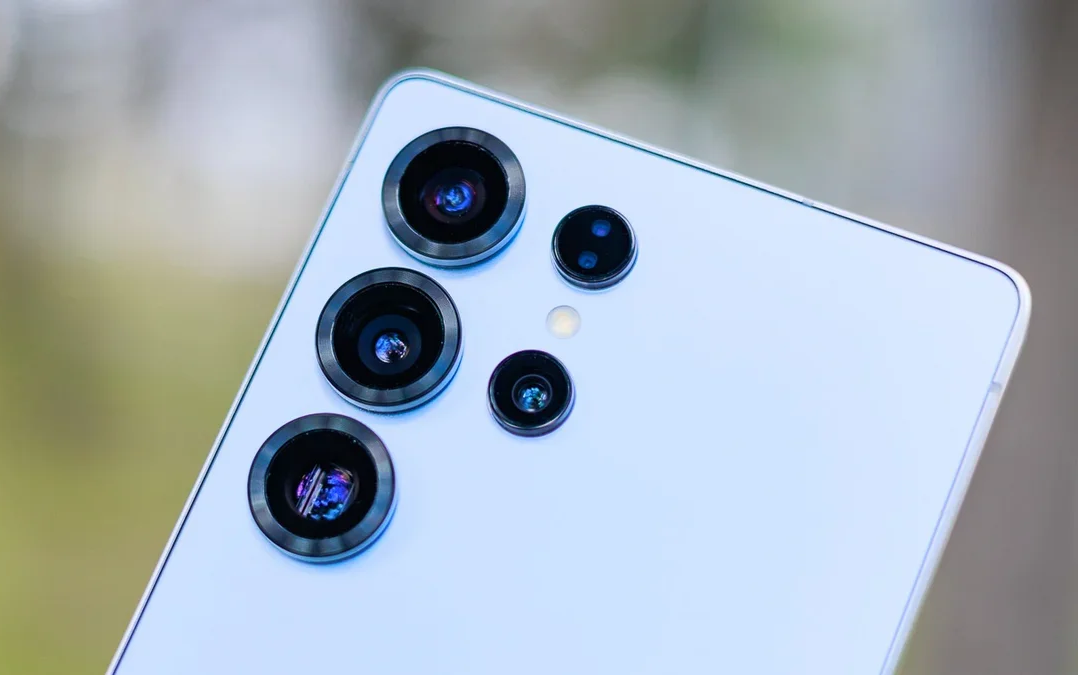
This stagnation has fueled concerns that Samsung is losing its edge, especially as competitors aggressively innovate.
However, the Galaxy S27 Ultra-expected in 2027-might be the moment of change. According to renowned leaker Ice Universe, Samsung plans to overhaul three of its cameras: the main sensor, ultra-wide lens, and selfie camera. This signals a clear recognition that software tweaks alone are no longer enough to stay ahead.
The telephoto camera may retain its current hardware, but the periscope lens is reportedly getting a wider aperture. This would significantly improve light intake, particularly in low-light and long-distance shooting scenarios.
If true, this would mark Samsung’s most extensive camera redesign since the Galaxy S21 Ultra.
Of course, all this remains in the realm of rumor. Details about the exact sensors remain unknown, and earlier plans to use a larger 200MP sensor were reportedly scrapped due to high costs.
It’s also worth noting that the Galaxy S26 series hasn’t even launched yet. So, any S27 Ultra speculation should be treated with caution. Still, based on current industry trends, Samsung may have no choice but to make bold changes if it wants to stay competitive.
Rising pressure from Chinese rivals
Chinese brands are no longer just catching up-they’re aiming to lead mobile photography innovation. The Vivo X300 Ultra and Oppo Find X9 Ultra are rumored to feature dual 200MP sensors, while Xiaomi’s 17 Ultra Leica Edition is set to make waves globally.
These contenders may not dethrone Samsung overnight, but they’re making users reconsider their loyalty-something that rarely happened with previous Galaxy Ultra releases.
A true flagship must deliver exceptional experiences across the board-especially in imaging. Yet Samsung has spent years recycling old hardware, focusing mostly on software and algorithm upgrades.
That’s why the S27 Ultra isn’t just another product launch. It’s a chance for Samsung to reaffirm its dominance in mobile photography.
Users are hoping for a device worthy of the “Ultra” name: larger sensors, smarter processing, better dynamic range, and superior image stabilization-not incremental updates.
If expectations are met, the Galaxy S27 Ultra could usher in a new era for Samsung’s camera systems. But until then, everything hinges on what’s officially confirmed.
What is clear, however, is that Samsung is feeling the pressure-and for consumers, that’s a good thing.
The S27 Ultra is shaping up to be one of the most highly anticipated smartphones of the near future-not just for better photos, but as proof that Samsung still leads the game.
Hai Phong
.svg)
