 Vietnamnet.vn

 Podcast


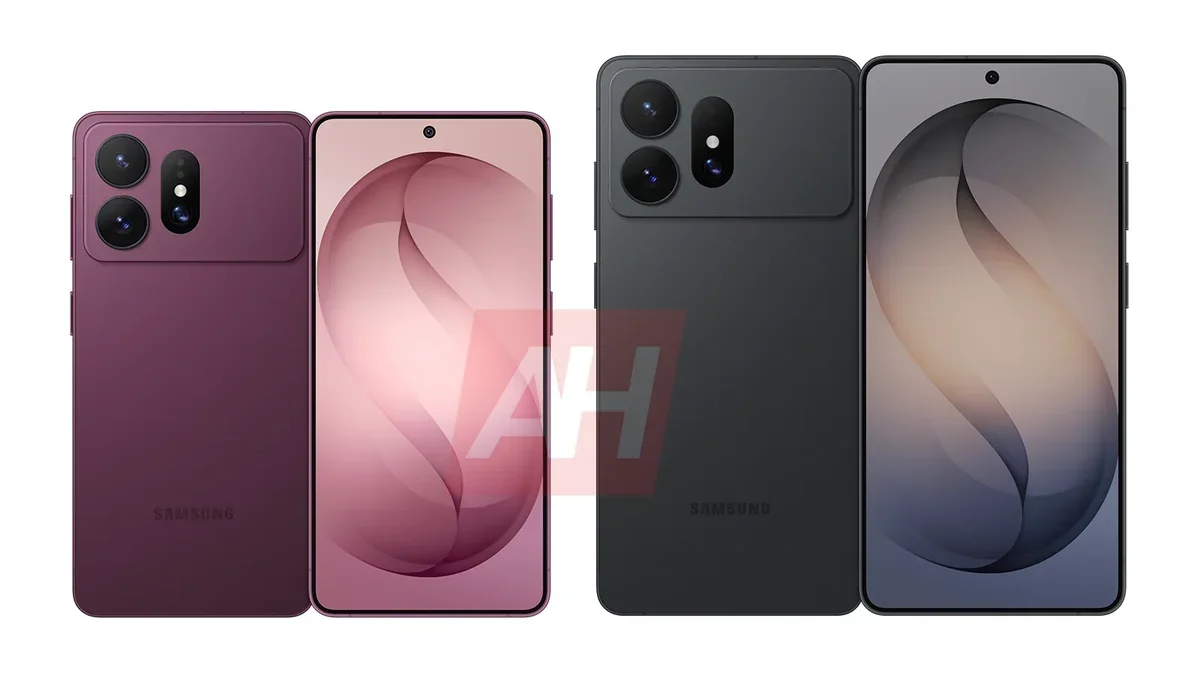
Leaked images of the Samsung Galaxy S27 Ultra have already circulated widely, and the initial response from the Android community has been far from enthusiastic.
Samsung's rumored decision to abandon its signature individually mounted rear camera lenses in favor of a unified, protruding camera island reminiscent of Apple's iPhone Pro has become a contentious topic.
Why Samsung may be right to adopt an iPhone-like design
The Galaxy S Ultra series is arguably overdue for a visual overhaul. Samsung has maintained largely the same design language for several years, despite making some notable adjustments along the way.
The transition from sharp, squared-off corners and curved displays to flatter frames and rounded edges represented a significant change. Nevertheless, the overall appearance of the Galaxy S Ultra lineup has remained remarkably consistent since the Galaxy S22 Ultra.
When a product needs refreshing, manufacturers generally have two options: introduce a completely original design or draw inspiration from competitors and adopt ideas that have already proved successful.
Samsung appears to be leaning toward the second approach, and that decision may not deserve the harsh criticism it has received.
After all, groundbreaking innovation has not been Samsung's defining characteristic in recent years.
The company once regularly introduced pioneering products featuring distinctive hardware capabilities and technologies rarely seen elsewhere in the market.
That era, however, appears to have passed.
While this may disappoint longtime Samsung enthusiasts, consumers may need to adjust their expectations rather than anticipate a revolutionary design with every new generation.
Could the Galaxy S27 Ultra finally get built-in magnetic accessories?
What makes the rumored redesign potentially exciting is not necessarily its appearance, but the functional improvements it could enable.
Moving all the rear cameras onto a single raised platform could free up internal space for Samsung to integrate a magnetic attachment system into the phone itself.
If implemented, the Galaxy S27 Ultra could support magnetic accessories similar to those in Apple's MagSafe ecosystem.
This would be a welcome upgrade for users who regularly rely on wireless chargers, magnetic wallets, phone mounts and stands.
The convenience of Apple's MagSafe ecosystem is difficult to dispute.
Galaxy users have traditionally needed third-party cases with built-in magnetic rings to use comparable accessories. Unfortunately, the quality of these products varies considerably.
More importantly, being able to use a smartphone without a protective case while still enjoying compatibility with magnetic accessories would offer a more seamless experience.
If Samsung introduces this capability directly into the Galaxy S27 Ultra, it could represent a meaningful improvement in everyday usability.
Samsung could overhaul the Galaxy S27 Ultra camera system
Another possibility fueling interest in the redesigned camera layout is that Samsung could use the opportunity to restructure the Galaxy S27 Ultra's entire imaging system.
In recent years, Galaxy cameras have struggled to maintain a clear lead in every shooting scenario, particularly in low-light environments and when photographing moving subjects.
One contributing factor is Samsung's image-processing approach, which often favors lower ISO settings and slower shutter speeds.
This strategy can work well for landscapes, mountain scenery and stationary subjects, but it becomes a disadvantage when photographing children or pets in motion.
Samsung is also rumored to be considering removing its aging 3x telephoto camera.
Instead, enthusiasts hope the company will introduce a high-resolution periscope camera with a shorter focal length, enabling greater zoom flexibility while preserving image quality.
Several premium smartphone manufacturers have already pursued similar approaches, particularly Oppo, Vivo, Xiaomi, Huawei and Honor.
If Samsung follows suit, the Galaxy S27 Ultra could deliver substantial photography improvements and narrow the gap with competing Chinese flagships.
A redesigned rear camera module could therefore represent more than a cosmetic change. It might provide the foundation for a broader imaging upgrade.
Why the Galaxy S27 Ultra could be a step forward for Samsung
Even if the Galaxy S27 Ultra looks as unattractive as some early critics suggest, its redesigned exterior could bring more useful upgrades than its appearance initially indicates.
The new camera island may still be the kind of design that many consumers dislike at first sight.
However, that initial disappointment could fade within minutes of unboxing as users become accustomed to the phone's appearance.
Ultimately, what matters most is not which competing smartphone the Galaxy S27 Ultra resembles.
The more important considerations are the features it delivers, its real-world performance and the price Samsung chooses to charge.
If the rumored camera improvements, built-in magnetic accessory compatibility and enhanced photography capabilities materialize, the Galaxy S27 Ultra could represent a significant step in the right direction for Samsung.
For now, however, these potential upgrades remain speculative, and their actual benefits will depend on Samsung's final hardware decisions.
Hai Phong

