 Vietnamnet.vn

 Podcast



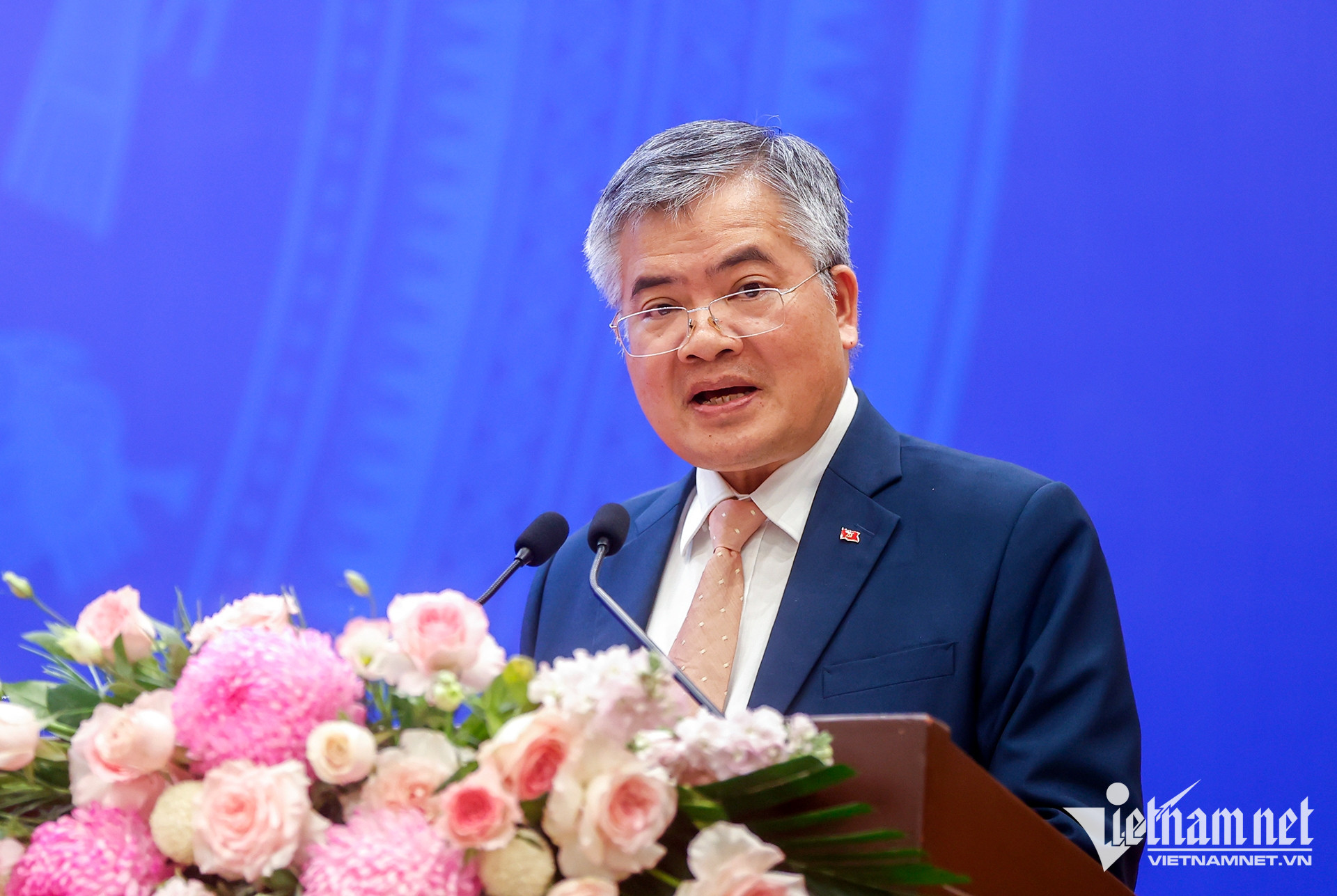
According to Can Dinh Tai, Deputy Head of the Presidential Office, the decision No. 457 was signed on April 7 following a proposal from the Government.
Under the decision, early release will be granted to prisoners serving fixed-term sentences and life sentences that have been commuted, on the occasion of the 51st anniversary of national reunification on April 30. The amnesty also marks the successful 14th National Party Congress, as well as the upcoming elections for the 16th National Assembly and People’s Councils for the 2026-2031 term.
The period of sentence served to be considered for amnesty is calculated up to May 31, 2026.
Eligible individuals include those currently serving fixed-term imprisonment, those whose life sentences have been reduced to fixed terms, and those temporarily suspended from serving their prison sentences.
The decision also outlines conditions for eligibility, including provisions for “special cases” of amnesty.
In such cases, the Government will take the lead, coordinating with the Supreme People’s Court, the Supreme People’s Procuracy, and relevant agencies to prepare dossiers in accordance with Articles 22 and 23 of the Amnesty Law, before submitting them to the President for consideration.
Can Dinh Tai noted that in recent years, amnesty programs have been implemented strictly in accordance with regulations and have delivered positive outcomes across political, legal, social, and diplomatic dimensions.
In 2025, more than 22,000 inmates were granted early release while maintaining political stability and social order. Most of those released have successfully reintegrated into society, earning public support and international recognition.
He emphasized that issuing the amnesty decision at the very beginning of the new presidential term (2026-2031) reflects a consistent policy stance.
Vietnam remains committed to upholding the rule of law and maintaining discipline, while also implementing humanitarian policies responsibly. The approach seeks to balance legal strictness with compassion in policymaking and enforcement, contributing to social stability and sustainable development.
Among the key conditions, inmates serving fixed-term sentences or commuted life sentences must demonstrate significant progress, maintain good rehabilitation awareness, and be classified as having good or fairly good conduct in accordance with regulations.
They must have served at least one-third of their sentence for fixed-term imprisonment. For commuted life sentences, at least 14 years must have been served. Any reductions in sentence duration are not counted toward the required time served.
Eligible individuals must also have fulfilled additional penalties such as fines and court fees, and completed obligations related to compensation or civil liabilities, particularly in corruption-related cases.
However, individuals convicted of certain serious crimes - including treason, attempts to overthrow the government, espionage, or offenses against national territorial security - are excluded from consideration, even if they meet other conditions.
Tran Thuong
.svg)
