 Vietnamnet.vn

 Podcast



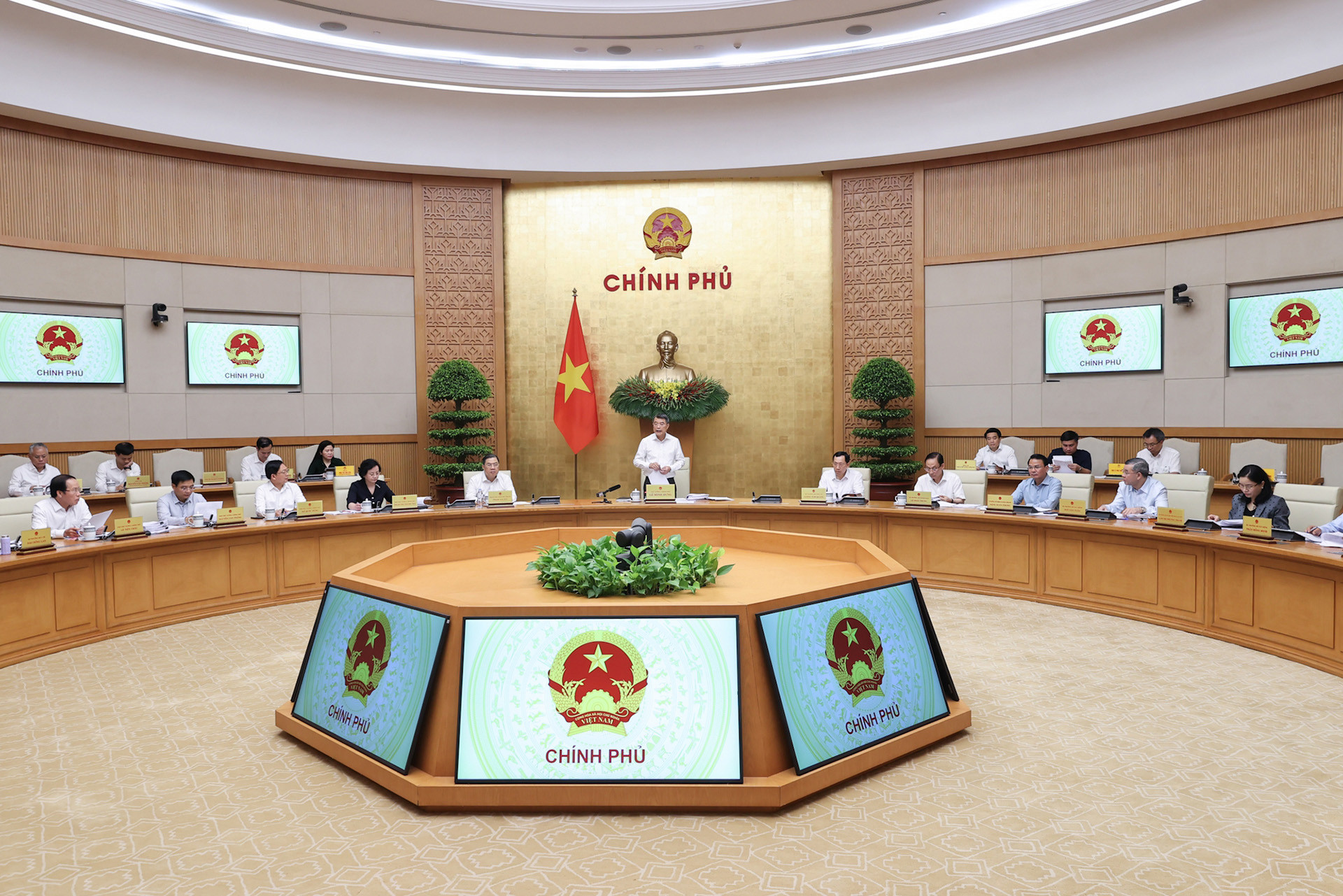
The government has instructed relevant agencies to carefully study and calculate any adjustments to state-managed prices, including electricity tariffs, healthcare service fees and education-related charges.
The government has issued a resolution following its regular meeting for May.
According to the resolution, the global and regional outlook is expected to remain volatile, complex and difficult to predict in the coming period, affecting prospects for global economic growth.
Domestically, the economy continues to face numerous difficulties and challenges stemming from unfavorable external factors, alongside unresolved internal issues and newly emerging challenges.
Each ministry, agency, locality, state-owned group and enterprise - particularly those with industrial, agricultural and service output below targets - has been instructed to closely follow the goal, requirements and growth scenario aimed at achieving double-digit economic growth in 2026. Authorities are expected to identify untapped growth potential and focus resources on achieving the set targets.
The government emphasized the need to operate monetary policy proactively, flexibly, promptly and effectively, while ensuring close coordination with a reasonably expansionary fiscal policy and other macroeconomic measures to support growth, control inflation, maintain macroeconomic stability and safeguard major economic balances.
The resolution also stressed the importance of effective price and market management, flexible use of regulatory tools, and implementation of pricing mechanisms in accordance with the law and market principles to ensure supply-demand balance and price stability.
The government requested a thorough assessment of any adjustments to state-managed goods and services, including electricity prices, healthcare examination and treatment fees, and education service charges, in order to limit their combined impact on the Consumer Price Index (CPI) and ensure inflation remains within the target range.
Ministries and sectors have been instructed to strengthen inspections, examinations and supervision of pricing regulations, while strictly handling hoarding, speculation, market manipulation and unreasonable price increases.
Ministries, agencies and local authorities - especially those with public investment disbursement rates below the national average - have been ordered to accelerate the disbursement of public investment capital. The government described this as a key political task and an important criterion in evaluating the performance of both institutions and individuals, including agency leaders.
No legal "gaps" allowed
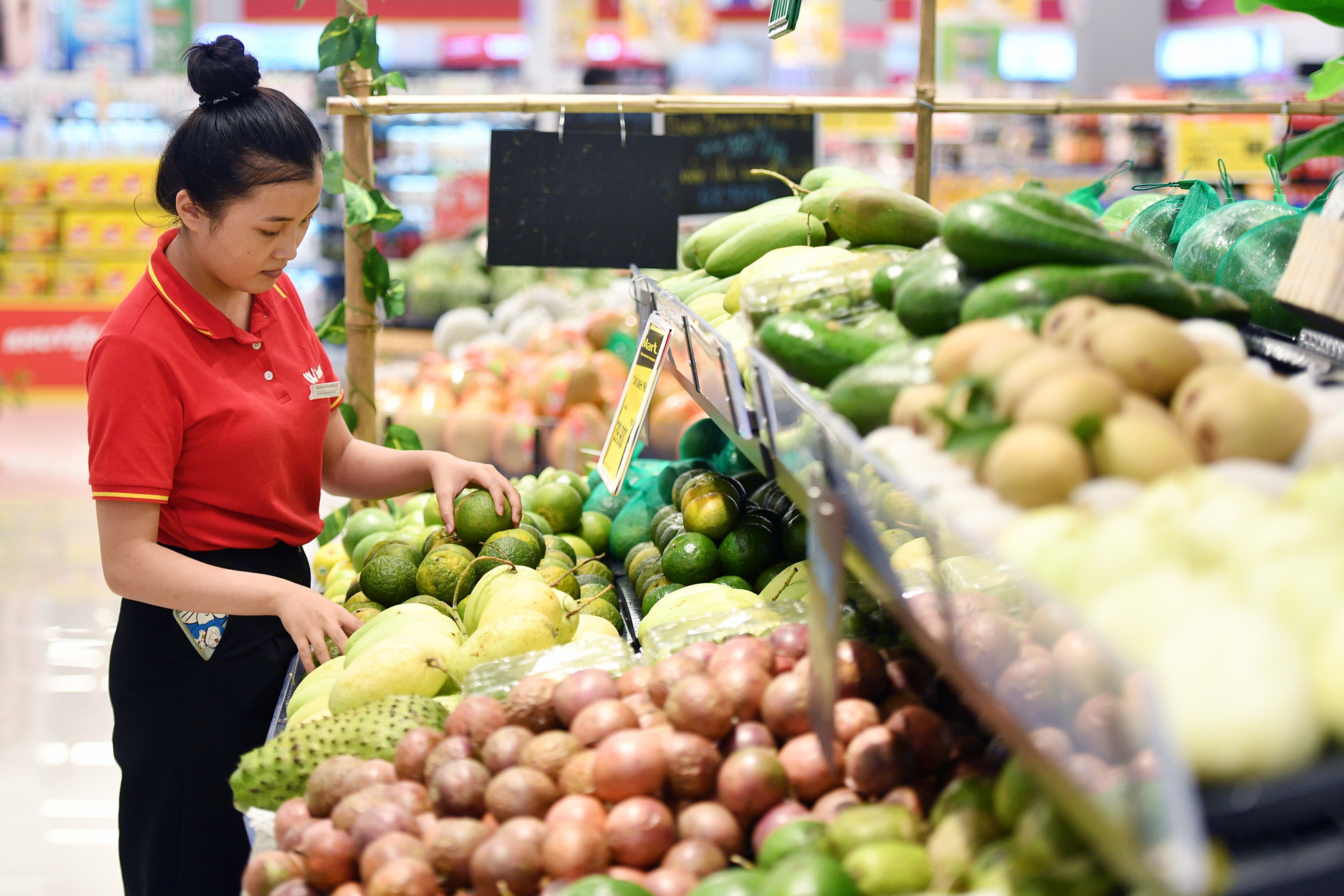
The government also called for greater focus on land clearance, compensation, support and resettlement efforts, while ensuring adequate construction material supplies.
Authorities were instructed to accelerate projects serving APEC 2027, nationally important projects and major transportation infrastructure developments, including the North-South high-speed railway, railway links connecting Vietnam with China, and other strategic infrastructure projects. These projects must meet quality, timeline and investment efficiency requirements while preventing losses, waste and corruption.
Ministries, sectors and local governments were also directed to effectively implement conclusions by General Secretary and State President To Lam regarding Directive No. 34 of the Secretariat on social housing and housing development strategies.
The government further ordered the effective implementation of measures to ensure adequate electricity and fuel supplies for production, business activities and public consumption, particularly during peak summer demand and the 2026 dry season. Authorities were instructed to ensure there are absolutely no shortages of electricity or fuel under any circumstances.
The resolution also called for faster progress on key power generation, transmission and grid projects.
The government assigned ministries and agencies to accelerate the drafting and issuance of detailed regulations and implementation guidelines for newly adopted laws and resolutions, ensuring consistency and preventing any legal "gaps."
Relevant ministries and agencies were asked to urgently review the progress of legislative projects under their responsibility and propose additional bills and resolutions for consideration during an extraordinary session of the National Assembly expected in late July or early August.
Each ministry and agency has been tasked with proposing at least 30 percent of the remaining legislative projects included in the 2026 lawmaking agenda, as well as legislative tasks that must be completed before March 1, 2027, in accordance with requests from the National Assembly Standing Committee.
For implementing regulations scheduled to take effect on July 1, the government instructed agencies to mobilize maximum resources, streamline internal procedures and coordinate proactively with the Ministry of Justice and the Government Office from the drafting stage onward to ensure quality and timely issuance.
The government also set a target of improving the effectiveness of medical examination and treatment services and public healthcare. Authorities were instructed to proactively monitor, detect and respond promptly to infectious disease risks that may increase during the hot season.
Within June, agencies must complete a review of the pharmaceutical distribution system and reduce intermediary stages in order to lower costs for citizens and society.
Another priority is strengthening efforts against corruption, misconduct and wastefulness. Authorities were instructed to strictly implement regulations on citizen reception and to resolve complaints and denunciations promptly, lawfully and in line with practical circumstances from the earliest stages, preventing the emergence of security and public order hotspots.
Tran Thuong
.svg)
