 Vietnamnet.vn

 Podcast



In recent days, Grab drivers have taken to social media groups to voice frustration over what they say are inadequate earnings from individual trips. They argue that Grab’s variable fare calculations make it difficult to predict how much they will actually take home after each ride.
Drivers say take-home earnings are shrinking
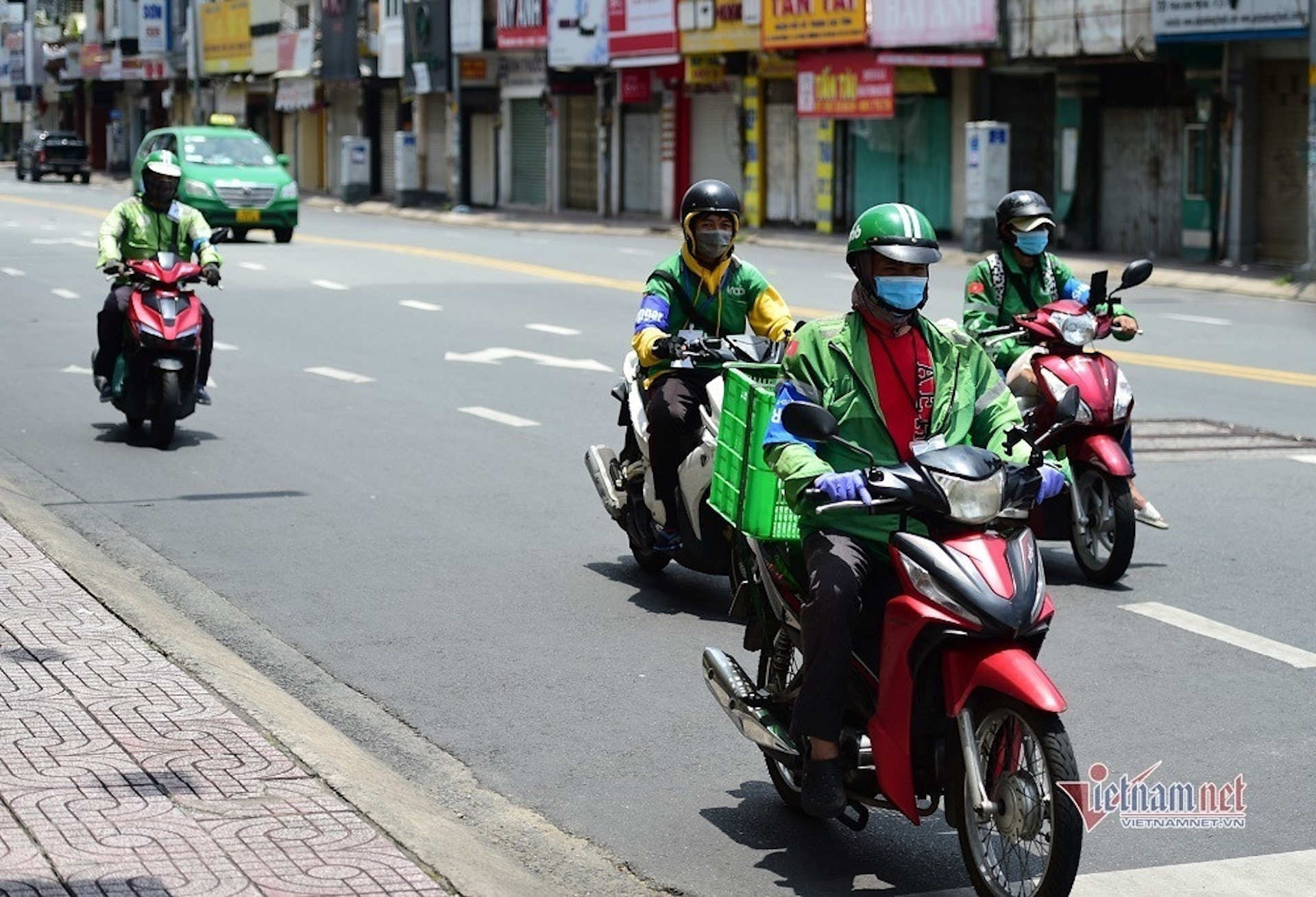
M.H., a Grab driver in Ho Chi Minh City, told VietNamNet that he found the platform’s fee calculations difficult to understand.
According to trip information he provided, on a ride priced at about $0.68, he received around $0.36, or roughly 53.5% of the fare, leaving a difference of approximately 46.5%.
The trip history included charges such as a $0.11 platform fee and a $0.08 Ride Cover insurance fee. Drivers claim that fees and deductions can amount to around 40-46% of the displayed fare on some trips.
“With deductions at this level, our actual earnings are being eroded as fuel prices and living costs rise,” M.H. said.
Another Ho Chi Minh City driver, Truong Anh D., expressed similar concerns. He said that for a ride priced at around $0.95, he received only about $0.34, equivalent to roughly 35.6% of the displayed fare. He also had to travel three kilometers to reach the passenger pickup point.
D. said frustration over fare calculations and deductions had prompted some drivers to post on social media announcing plans to switch off the Grab app on Sept. 12 and 13 in protest against the pricing policy.
Some posts have also called on users and drivers to give one-star ratings to drivers who continue accepting rides during the two days.
Another driver, who asked not to be named, compared earnings from two early-morning trips, when fares differ from normal hours.
On Sept. 3, he completed a 26.77-kilometer ride at 4 a.m. and received around $4.65. On Sept. 10, another ride at about 4 a.m. covering 26.28 kilometers earned him only around $3.13.
The driver said he believed the difference could be related to what he described as a “flexible fee” applied by Grab.
Another driver said the proportion deducted varied substantially from one trip to another.
“Sometimes it is 38-40%, sometimes 50%, while on other trips the deduction is very low,” he said. “On the morning of Sept. 10, I drove nearly 10 kilometers in the rain and traveled another 3.5 kilometers to pick up the passenger, but received only about $1.02.”
“If ride-hailing companies took a 30% commission, drivers would be in a better position because we currently have to cover everything ourselves, from vehicle costs, maintenance and fuel to health-related expenses,” he added.
Ride-hailing drivers also said they do not work under conventional employment contracts and must cover many of their own expenses and insurance costs.
Grab responds as drivers voice frustration
On Sept. 9, Grab Vietnam sent a notice to its driver partners as calls to switch off the app over fares and deductions circulated on social media.
“Grab always listens to and understands our partners’ concerns regarding some of the information being discussed and shared on social media in recent days. The safety and operational efficiency of our partners remain Grab’s top priorities,” the platform said.
Grab Vietnam said it had updated information on channels for reporting security issues and incidents to provide timely support and protect drivers’ legitimate interests.
Drivers were advised to submit reports through the in-app Help Center so Grab could take action against accounts engaged in disruptive behavior.
“Grab is always ready to receive and review all valid reports from our partners,” the company said. “Depending on the specific circumstances, Grab will proactively review the information and provide appropriate support to partners affected during their operations.”
Grab also urged drivers to follow accurate information through its app, blog and official social media pages, and to comply with rules on sharing information online and avoid circulating inaccurate information from unofficial sources.
M.H., who also received the Sept. 9 notice, said it did not directly address the issues frustrating drivers. He said he hoped Grab would provide an official response to their concerns so they could feel more secure about their work.
In response to questions from VietNamNet, Grab said in an email that services on its platform had continued to operate normally in recent days, with indicators related to service quality, driver activity and platform operations remaining stable.
However, the company did not specifically answer questions about how fares and fees are calculated or how drivers’ take-home earnings are determined for individual trips.
“During the same period, we have observed information and discussions related to Grab being shared on social media, including some fabricated information. We are seriously assessing the situation,” a Grab representative said.
“In all circumstances, maintaining service quality for users and livelihoods for our partners, including driver partners, remains our top priority. We continue to actively listen to feedback and coordinate with relevant parties to ensure stable service operations.”
While drivers in Vietnam are raising concerns about high deductions, ride-hailing policy in Indonesia has moved in a different direction.
Indonesian President Prabowo Subianto recently signed a decree limiting commissions charged by ride-hailing companies to a maximum of 8% per trip, down from 20%.
Under the new rules, Southeast Asia’s two major ride-hailing platforms, Grab and GoTo, reduced commissions for motorcycle ride-hailing drivers in Indonesia from 20% to 8% from July 1.
Thu Ha
.svg)
