 Vietnamnet.vn

 Podcast



Royal International Corporation (RIC) - the operator of Royal Ha Long Casino - reported a loss of more than VND9 billion in the second quarter of 2026, reversing a profit of more than VND10 billion in the same period last year and falling well below its nearly VND7.4 billion profit in the first quarter of this year.
Net revenue in the second quarter reached nearly VND32.8 billion, down about 30% year on year. For the first six months of the year, revenue totaled nearly VND76.9 billion, only slightly higher than in the same period last year.
While revenue declined, cost of goods sold rose to more than VND29.3 billion from VND27.3 billion in the second quarter of 2025. Selling and administrative expenses also increased, while interest expenses declined only slightly, pushing the company from profit into loss.
In its explanation, RIC said its casino business was simultaneously affected by several adverse factors.
The company said the U.S.-Iran conflict had driven up fuel prices and airfares, reducing the number of international visitors. At the same time, the 2026 World Cup, held during the second quarter, absorbed a significant share of global entertainment spending, reducing the frequency of visits by VIP customers.
Seasonal factors also affected the company's performance. The second quarter is the peak season for domestic tourists but the low season for international visitors to Ha Long, particularly cruise passengers, an important customer segment for Royal Ha Long Casino.
The company also said several VIP customers recorded consecutive gambling wins during the quarter, reducing the portion of gaming revenue retained by the casino. Land rent in 2026 increased by about 57% year on year, further driving up costs.
A breakdown of revenue showed growth in the hotel, food and beverage, and other service segments. However, revenue from prize-winning games - the company's largest revenue source - fell by nearly half to about VND17 billion.
For 2026, RIC is targeting revenue of about VND200 billion and after-tax profit of around VND13.5 billion. After the first half, the company had completed only about 38% of its full-year revenue target and remained well short of its profit goal.
Years of losses, but operations continue
RIC is one of the very few companies licensed to operate a casino in Vietnam. The company was established in 1994 to invest in a five-star hotel in Ha Long and was granted a license in 2002 to operate a casino for foreigners.
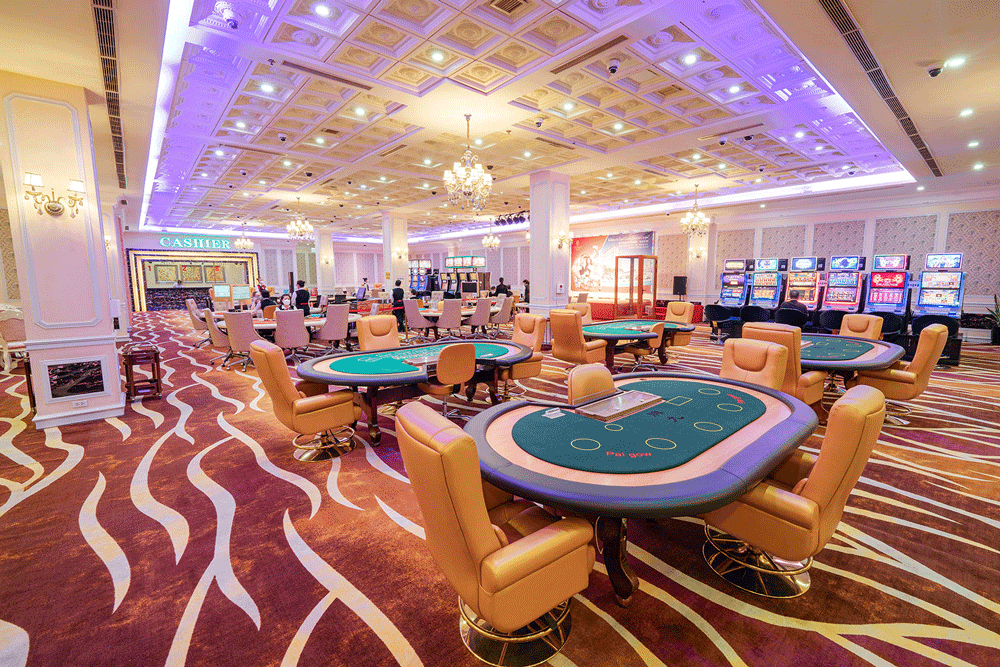
According to the company's introduction, Royal Ha Long Casino currently has 18 live gaming tables and 62 electronic gaming machines.
Its business performance, however, has been lackluster for years. Over the past decade, the company posted losses in eight years, recording profits only in 2018, at more than VND17 billion, and in 2025, at VND6.8 billion.
In the remaining years, losses ranged from tens of billions to more than VND100 billion. Accumulated losses have now reached nearly VND600 billion.
RIC reports nearly VND704 billion in owners' contributed capital, more than VND81 billion in share premium and over VND389 billion in foreign exchange differences. However, accumulated losses of nearly VND600 billion have reduced shareholders' equity to nearly VND587 billion.
The company has repeatedly attributed its difficulties to the impact of the Covid-19 pandemic, declining international visitor numbers and a slow tourism recovery, while its casino business remains heavily dependent on foreign customers.
Competition from casino destinations such as Cambodia, the Philippines and Singapore has also put additional pressure on its ability to attract customers.
The nature of the casino industry also means revenue reported in financial statements is not as large as many might assume. Casino revenue does not represent all the money gamblers bring into a casino. Instead, it reflects the amount retained by the casino after winnings are paid out, commonly referred to as Gross Gaming Revenue, or GGR.
Meanwhile, the company must continue to bear high costs for security systems, personnel, hotel depreciation, gaming tables and machines, operations and financing. A decline in customer numbers or an increase in the proportion of winning gamblers can quickly push profits into negative territory.
Prolonged losses also led to RIC shares being compulsorily delisted from the Ho Chi Minh Stock Exchange, or HoSE, in May 2022 after the company posted losses for three consecutive years. The shares were subsequently moved to the UPCoM market.
Despite this, RIC shares have repeatedly attracted attention with sharp rallies. In early 2021, the stock rose about sevenfold, from around VND5,000 to more than VND35,000 per share following a string of consecutive sessions in which it hit the daily price ceiling.
Despite years of losses, the company has continued operating. According to investors, one factor supporting the business is the value of its casino license - a type of license that is highly restricted in Vietnam - along with its land holdings and asset base in Bai Chay, Ha Long, which fuel expectations of profitability as tourism grows.
In the July 23 trading session, RIC shares fell VND800 to VND6,000 per share, with trading volume of just 1,400 shares.
Manh Ha
.svg)
