 Vietnamnet.vn

 Podcast



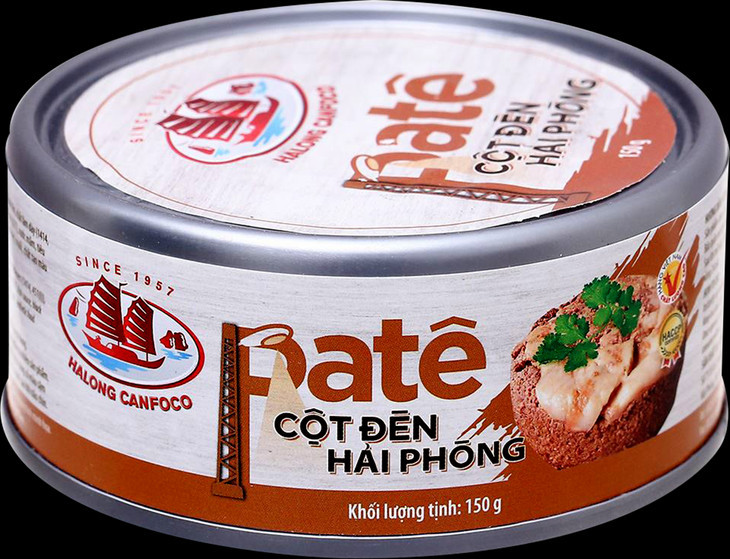
On January 12, a representative from the Hai Phong Department of Culture, Sports and Tourism told VietNamNet that the city has taken steps to distinguish between the long-standing, locally-made traditional Cột Đèn pate and the “Pate Cột Đèn Hải Phòng” label used by Halong Canfoco (Halong Canned Food JSC). The move aims to prevent consumer confusion and protect the reputation of Hai Phong’s culinary specialties and tourism industry.
According to the department, public concern has grown in recent weeks following reports that Halong Canfoco was found in breach of food safety regulations, including the use of unsafe ingredients in several canned products - one of which was labeled “Pate Cột Đèn Hải Phòng.”
The naming overlap has caused misunderstanding among consumers and negatively impacted local vendors, as well as the broader image of Hai Phong as a destination for food lovers. The traditional Cột Đèn pate is a well-known specialty closely associated with the city’s “food tour” experience, sold for decades by vendors around the Cột Đèn Market on Chua Hang Street, Le Chan Ward.
Authorities have stressed that the two products are completely unrelated. The traditional version is a fresh pate, handmade by local sellers, featuring rich flavors from pork fat, liver, and sautéed garlic. It has a short shelf life and must be refrigerated to preserve its taste. It is typically sold at the market and on nearby streets such as Hang Kenh and Nguyen Cong Tru.
In contrast, the Halong Canfoco product is an industrially processed canned pate, manufactured using a mechanized system, packed in tin containers, and distributed nationwide through supermarket chains.
On the same day, a representative from Hai Phong’s Economic Police Division (PC03) revealed that initial testimony from company officials confirmed that diseased pork detected at the Halong Canfoco factory had been used in the production of pate.
The police are expanding their investigation and simultaneously inspecting traditional pate-making facilities in Hai Phong to ensure food safety standards are being met, safeguarding public health.
Earlier, on September 8, 2025, following surveillance operations, economic police in Hai Phong intercepted two trucks transporting a total of 1,274.5 kilograms of pork with a foul odor and no verifiable origin.
Lab results later confirmed that the pork tested positive for the African swine fever virus and had been illegally transported from outbreak zones to food processing facilities in Hai Phong.
Subsequent inspections of the trucks and Halong Canfoco’s cold storage warehouses revealed more infected meat. Police then conducted urgent searches at the company’s headquarters and sealed four warehouses containing approximately 130 tons of frozen pork. The entire contaminated stock was later destroyed under official procedures.
On September 12, 2025, Hai Phong’s Police Investigation Agency officially opened a criminal case for “violating food safety regulations.” By December 24, authorities had pressed charges against nine individuals involved.
On January 10, 2026, police executed an emergency arrest warrant for Trương Sy Toan, CEO of Halong Canfoco, citing direct responsibility for the management and operation of the company in relation to the violations.
Three additional company employees in charge of quality control were also arrested alongside Mr. Toan.
Bao Khanh
.svg)
