 Vietnamnet.vn

 Podcast



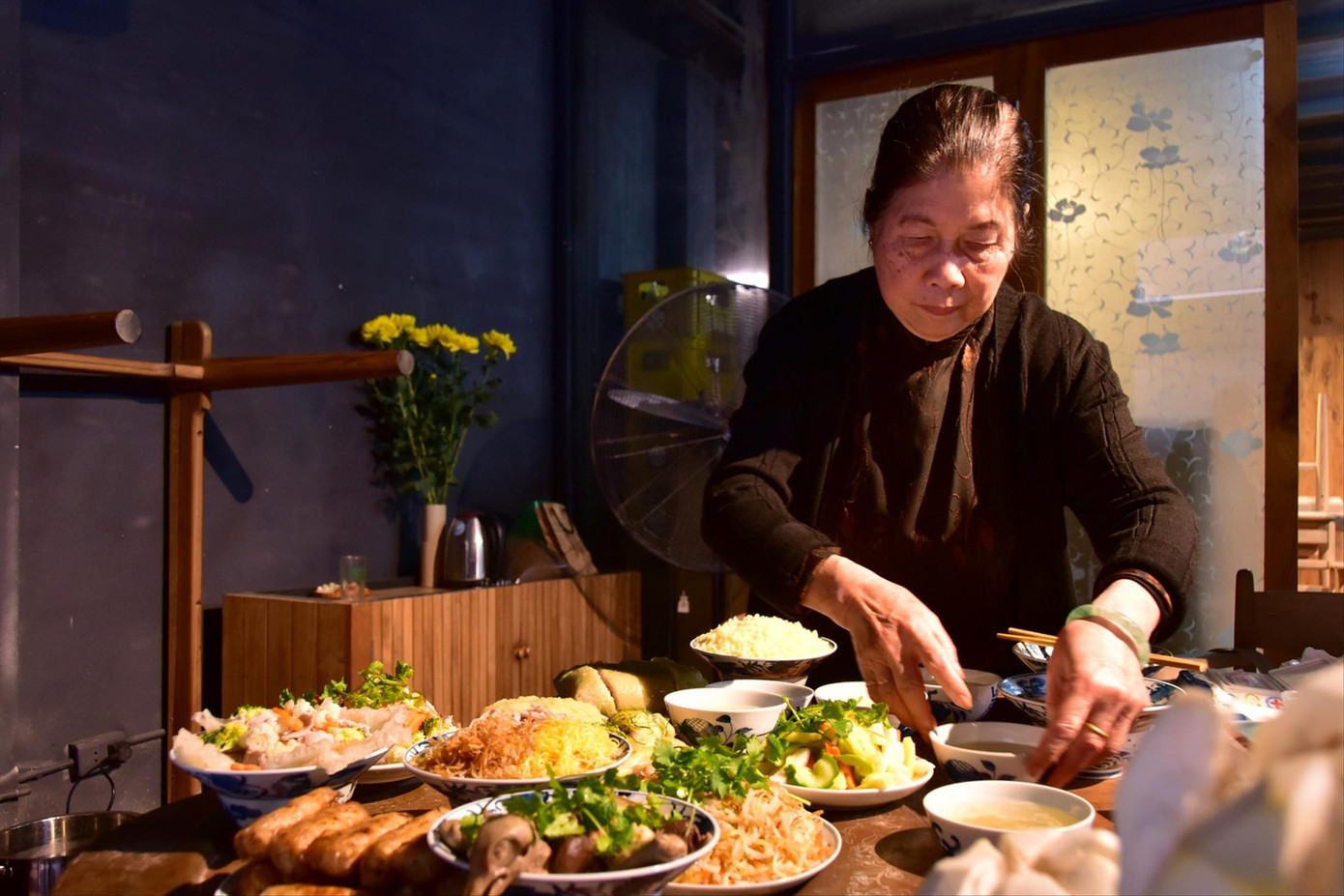
Hanoi has officially added nine more practices to Vietnam’s National Intangible Cultural Heritage List, including six traditional festivals, one craft, and two culinary traditions.
The newly recognized heritages are: Cheo Tau singing festival of Tong Goi village (Tan Hoi, Dan Phuong), La Phu village festival (Hoai Duc), Dong But pagoda festival (Quoc Oai), Nanh pagoda festival (Gia Lam), Sai temple festival (Dong Anh), Vong communal house festival (Thanh Xuan), Thanh Tri steamed rice rolls, knowledge of preparing and serving Cha Ca La Vong (La Vong grilled fish), and the traditional banquet culture of Bat Trang.
Among them, the Cheo Tau singing festival preserves ancient folk performance styles unique to Tan Hoi, honoring General Van Di Thanh, the village’s tutelary god. The La Phu village festival is famed for its “pig procession,” held every lunar January 13 to honor deity Tinh Quoc Tam Lang.
Dong But pagoda festival celebrates the Tam Vi Linh Khe kings with rituals throughout the year. Nanh pagoda (Phap Van) in Ninh Hiep, one of northern Vietnam’s four great pagodas, holds its spring festival marked by the symbolic raising of the ceremonial flagpole.
At Sai temple in Thuy Lam, villagers reenact a symbolic “imperial procession” where locals play the role of kings and mandarins, reflecting communal spiritual traditions. Vong communal house festival in Khuong Dinh ward remembers village deities and ancestors, featuring the unique custom of families laying new mats at their gates for blessings.
Hanoi’s culinary culture also gained recognition: Thanh Tri steamed rice rolls are a delicate specialty made from plain rice batter, eaten cool with dipping sauce. Cha Ca La Vong, grilled marinated catfish served with rice noodles, herbs, and shrimp paste, is internationally renowned. Meanwhile, Bat Trang village, famous for its ceramics, is also celebrated for its refined banquet tradition, balancing aesthetics, symbolism, and community spirit.
These recognitions highlight Hanoi’s diverse cultural identity, from sacred rituals to daily culinary heritage, ensuring their preservation for future generations.
PV
.svg)
