 Vietnamnet.vn

 Podcast



Authorities are weighing measures to ease the discomfort while preserving a distinctive feature of the capital's autumn.
Hanoi Vice Chairman Truong Viet Dung on October 14 instructed the municipal Department of Construction to work with local authorities and relevant agencies to urgently review streets and residential areas where milkwood trees, locally known as hoa sua, are planted too densely.
The review will identify locations where the trees' powerful fragrance during the flowering season has disrupted daily life. Officials have been asked to consider relocating some trees to more suitable areas and planting alternative species, in line with the city's approved urban greenery development plan.
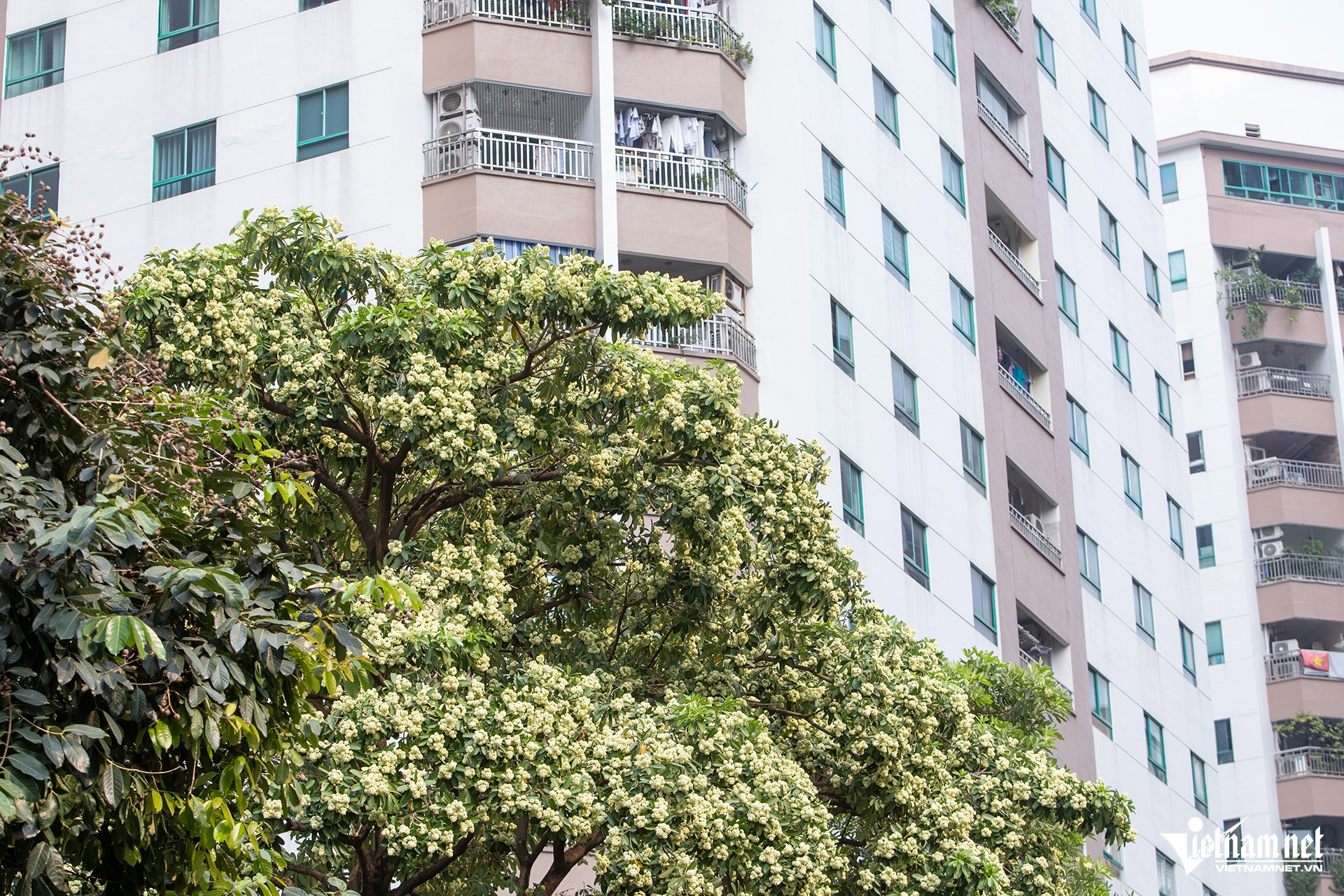
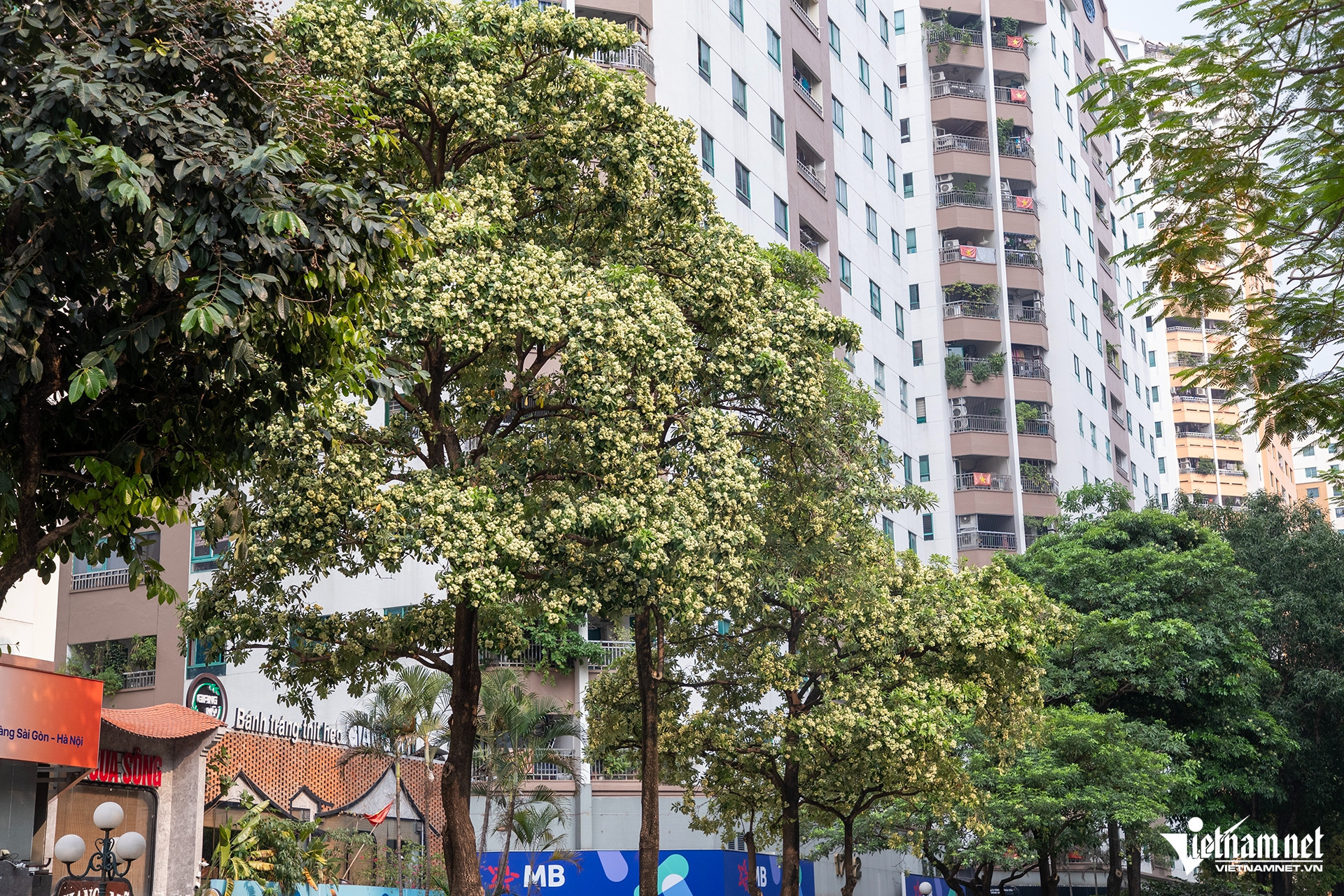
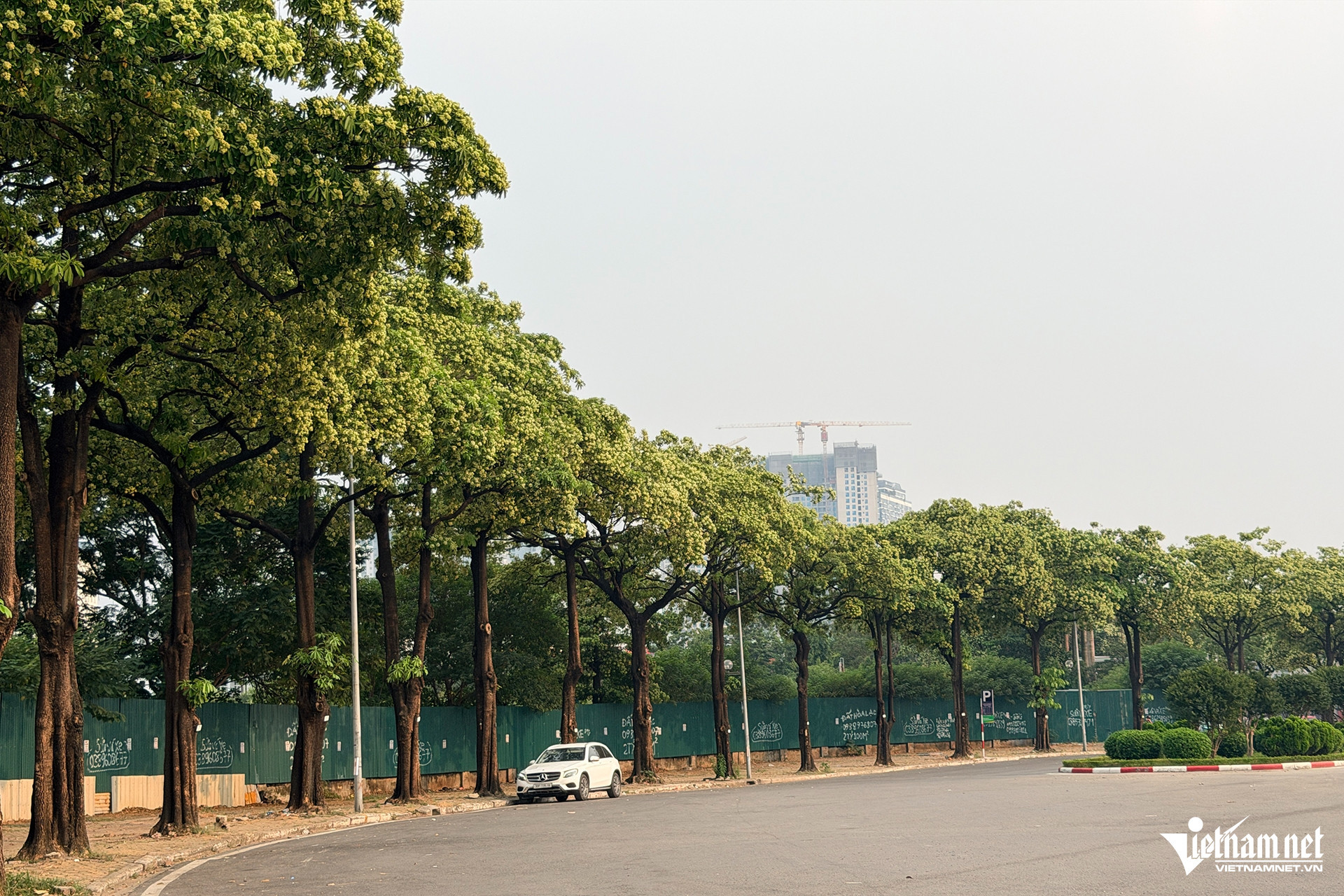
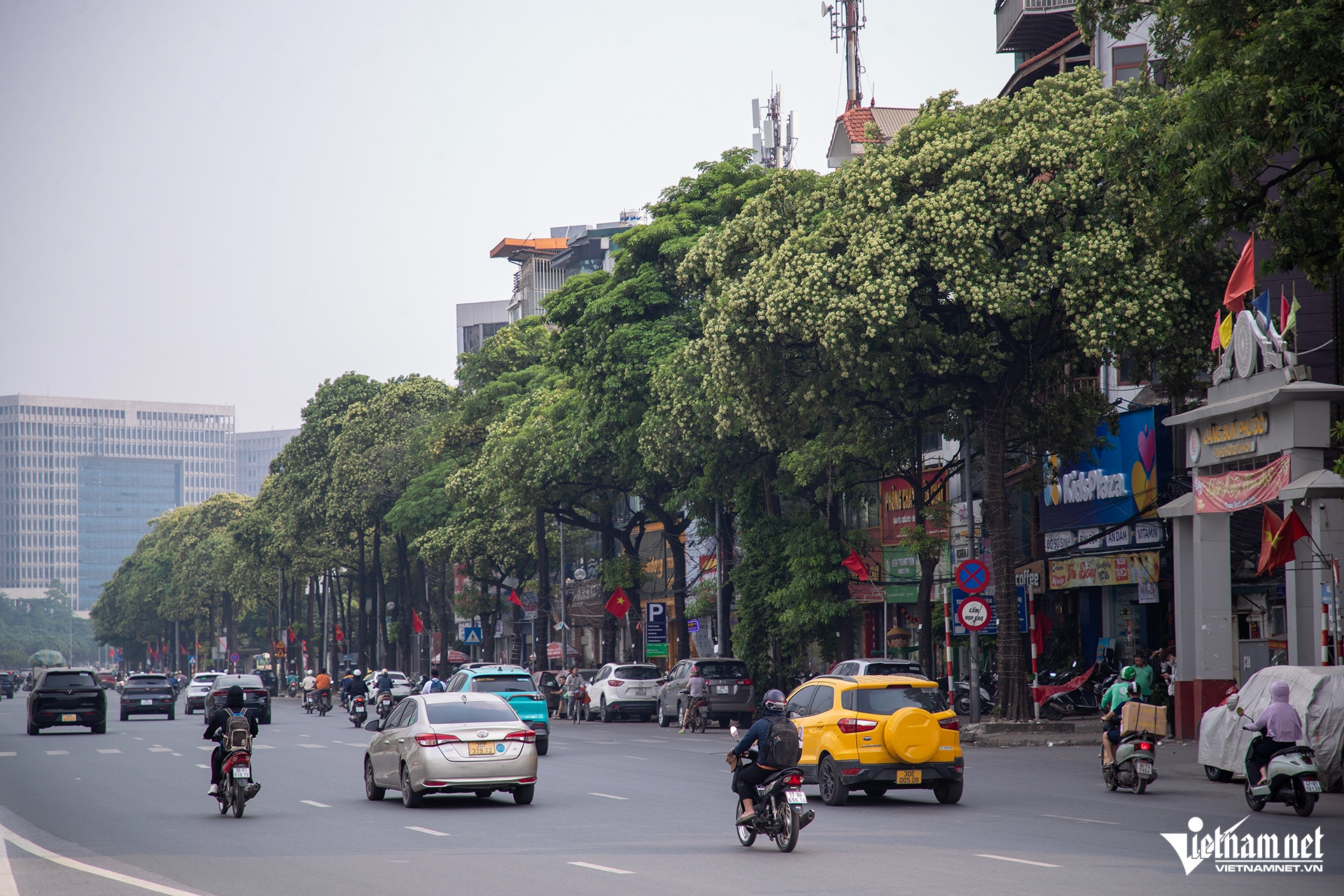
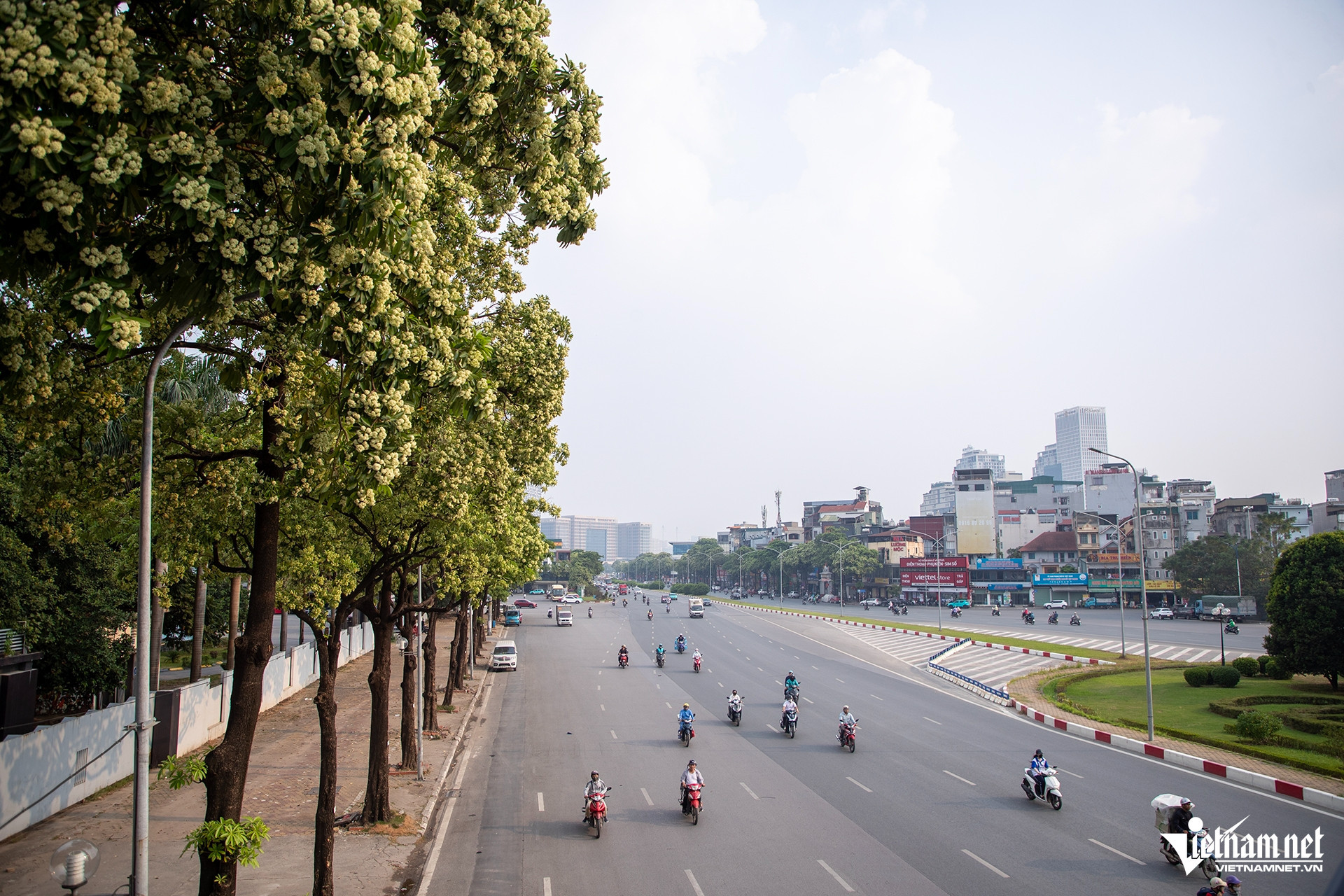
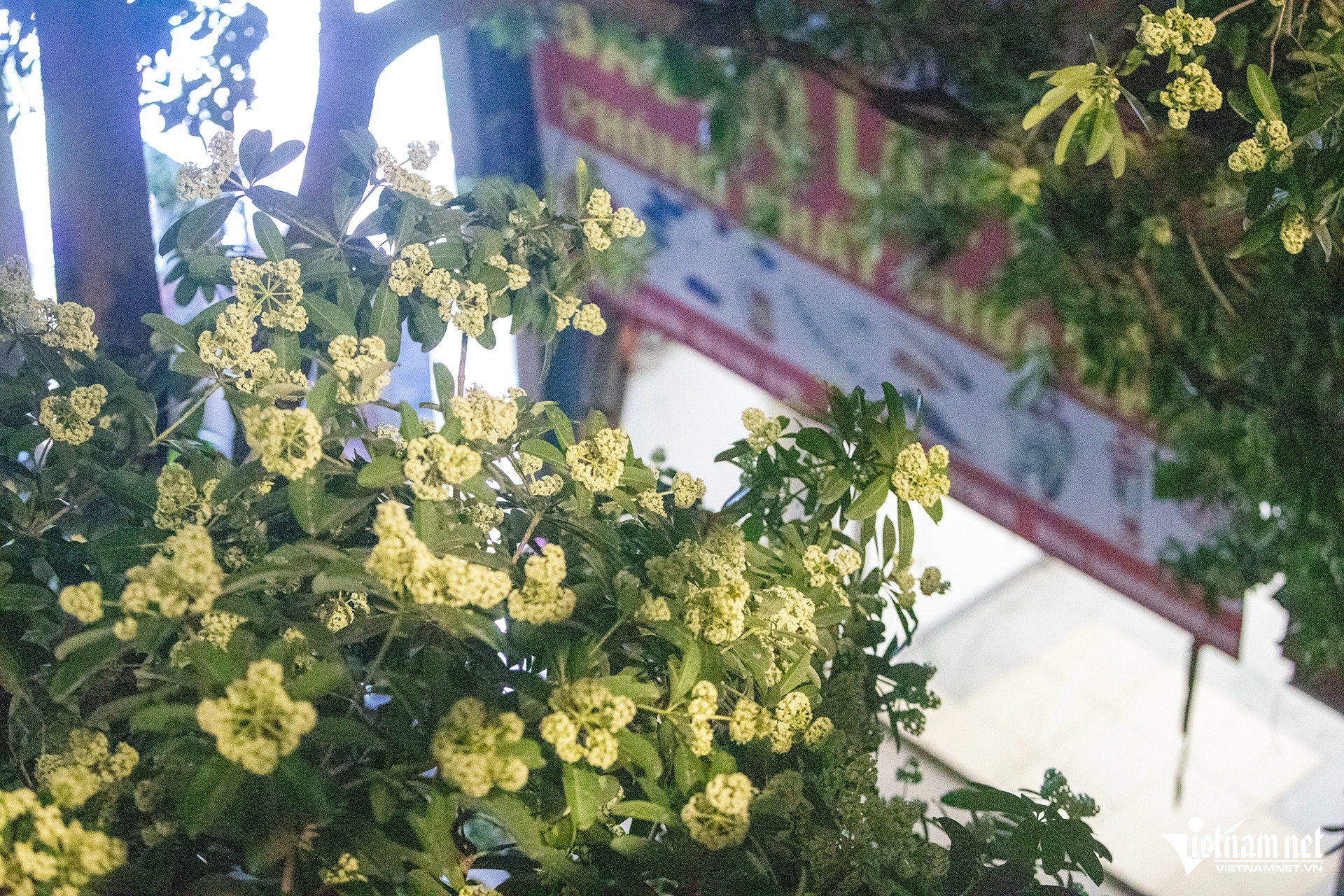
Milkwood trees have long been associated with autumn in Hanoi, their distinctive fragrance evoking memories of the capital for generations of residents. But the scent, pleasant to some when faint, can become overwhelming where large numbers of trees bloom simultaneously.
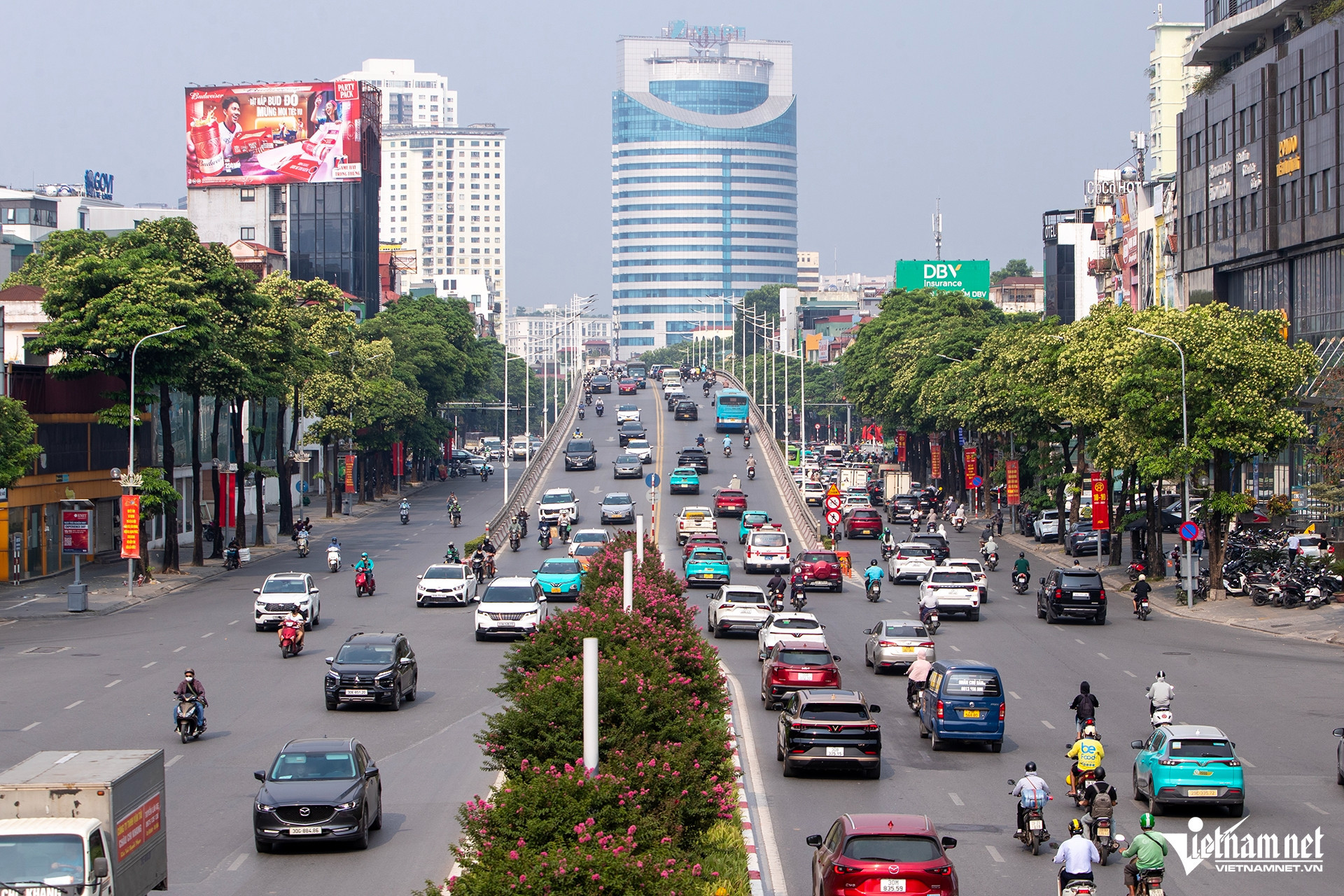
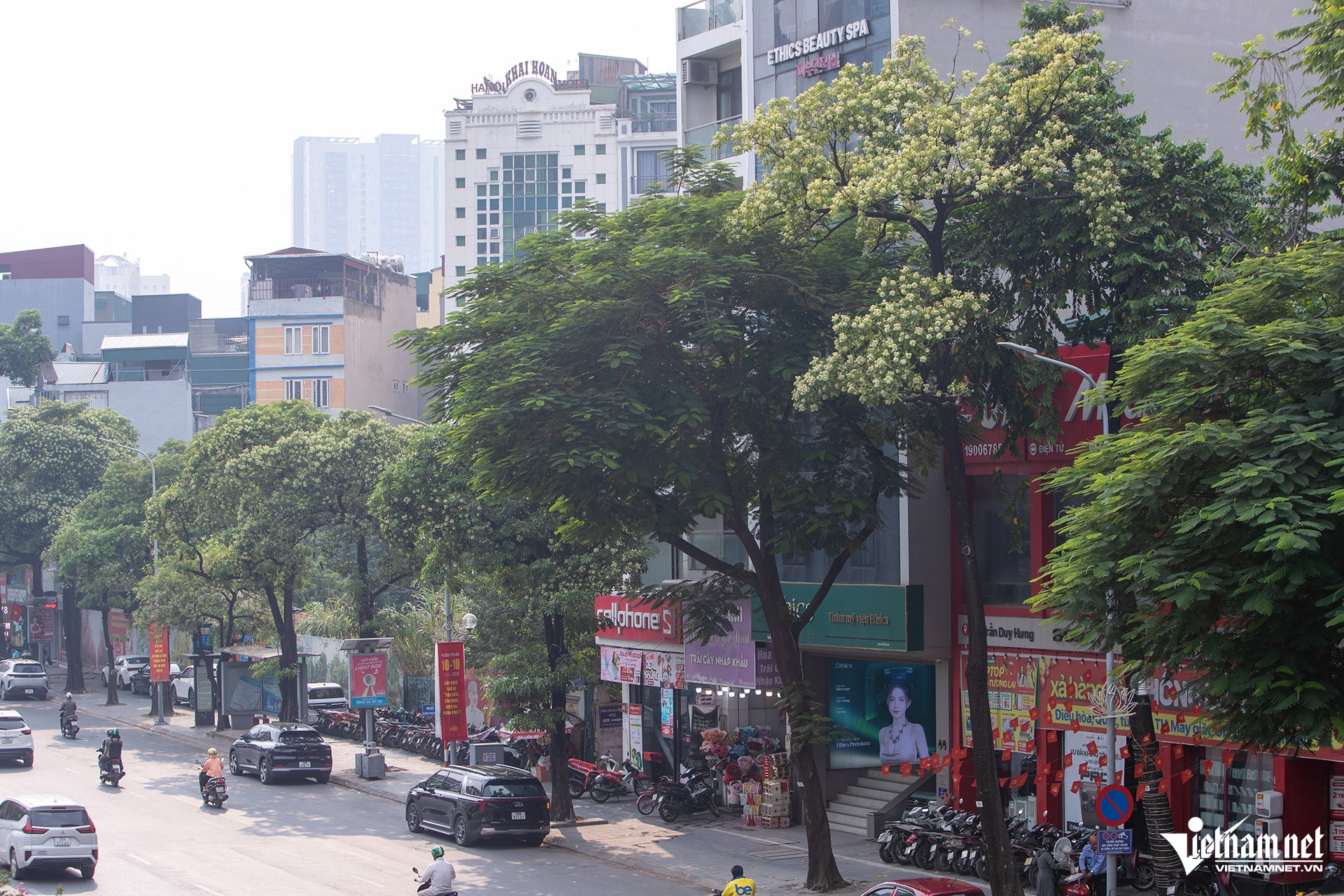
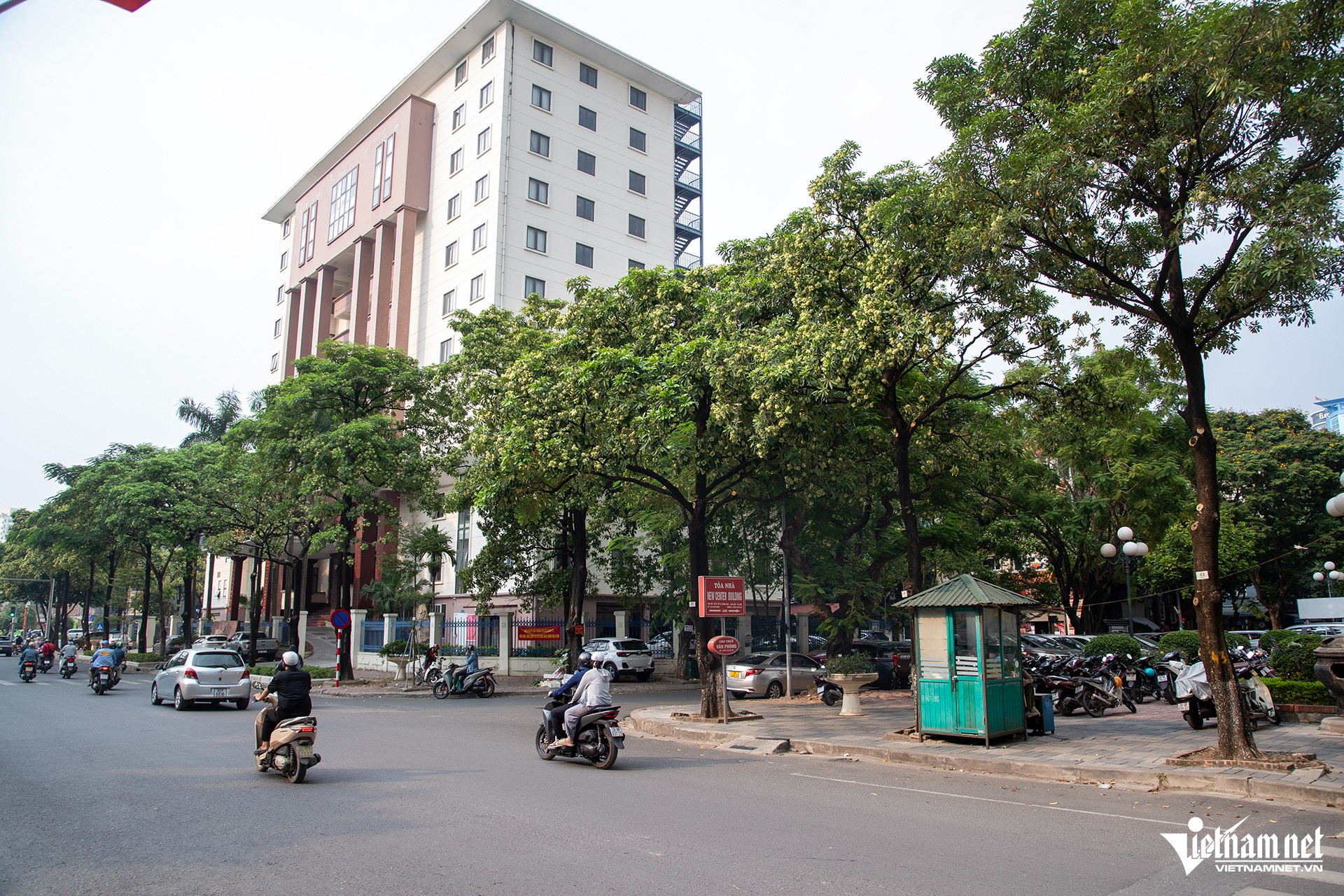
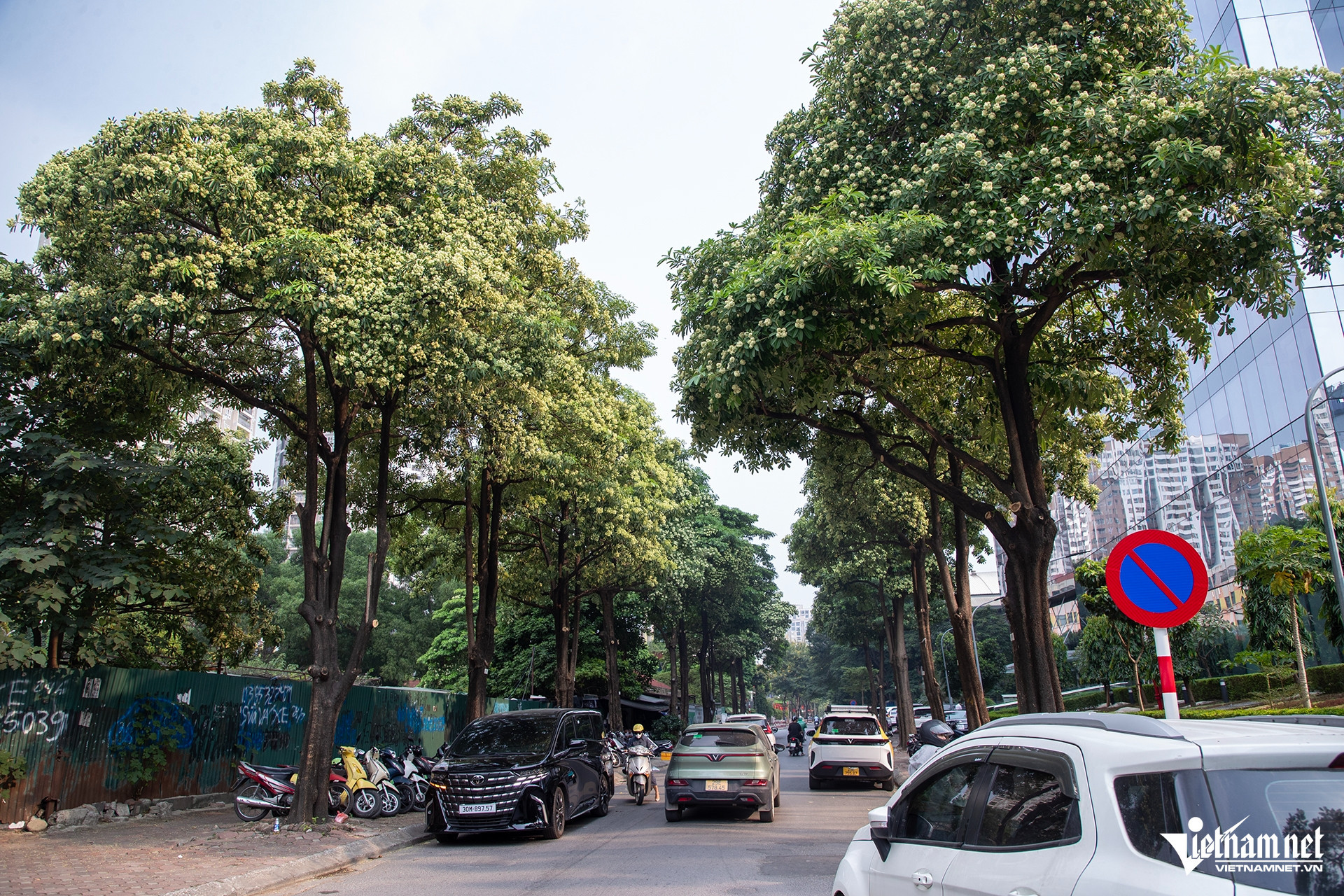
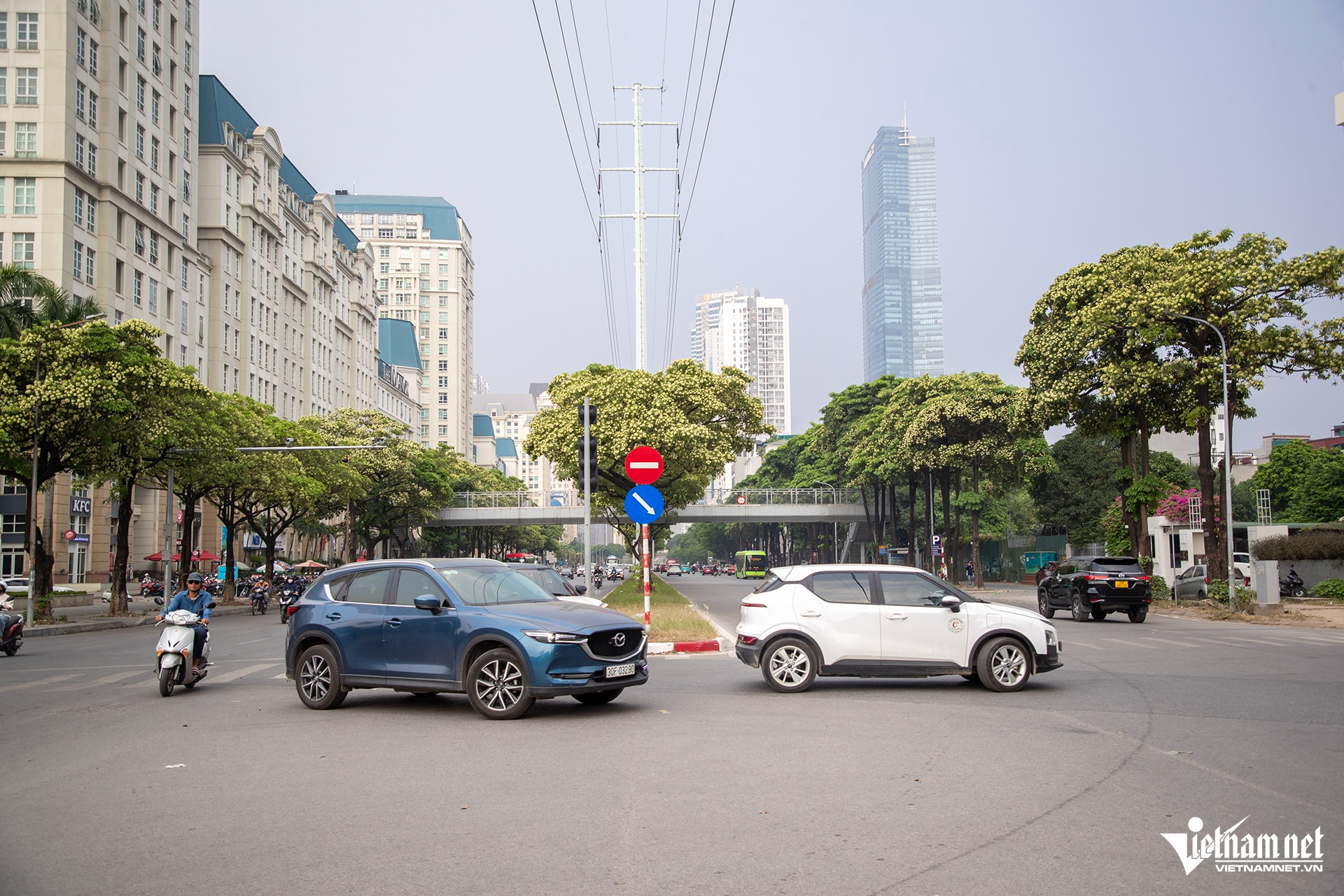
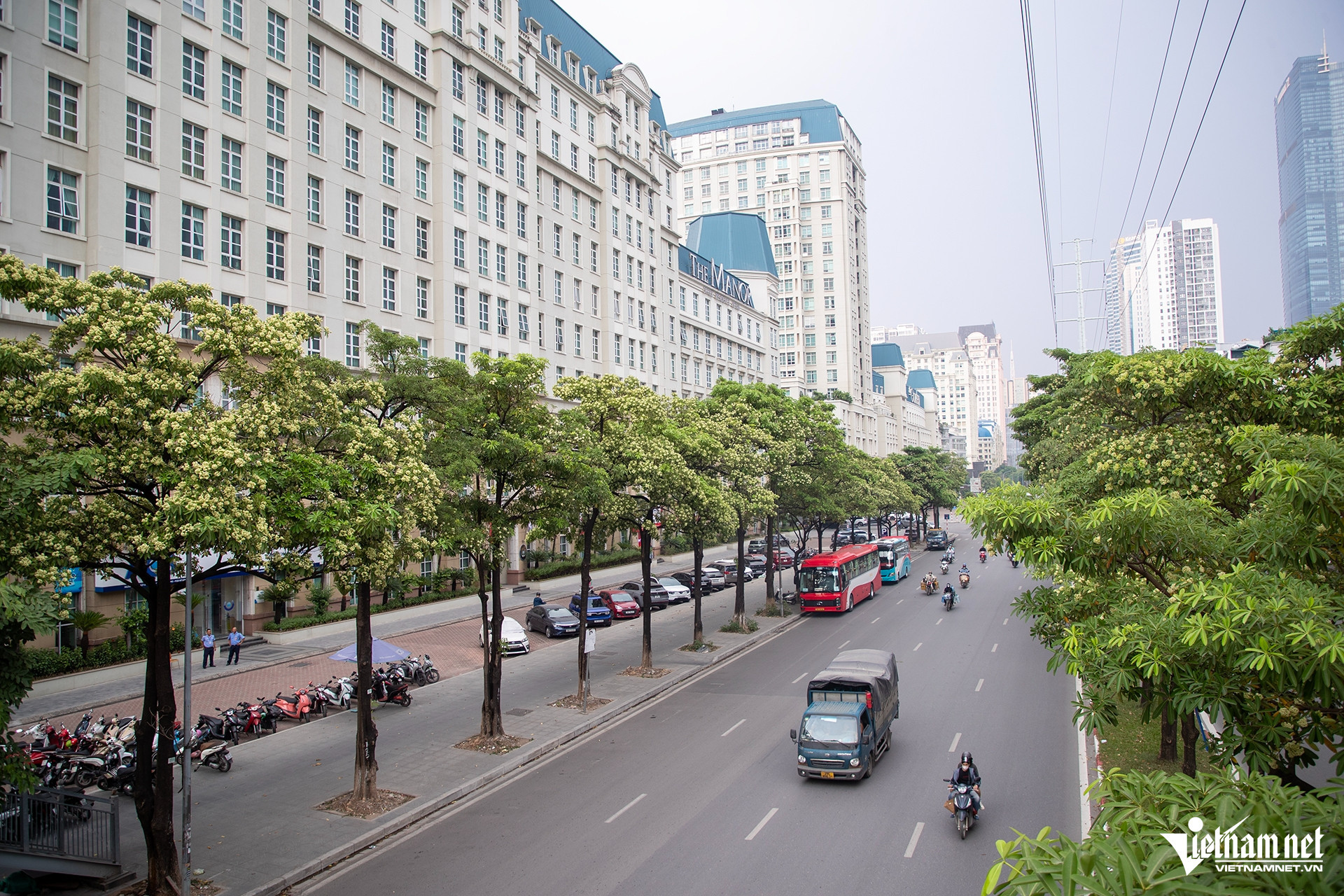
The city currently has approximately 14,400 milkwood trees across its streets and residential developments. The Kim Ma - Xuan Thuy - Ho Tung Mau - Cau Dien corridor alone has 670 trees, while Ring Road 1 has 481 and Ring Road 2.5 has 272. Another 350 line the Van Cao - Lieu Giai - Nguyen Chi Thanh - Tran Duy Hung - Thang Long Avenue corridor.
On Hoang Dao Thuy Street, some trees stand just 3.5-4 metres apart. Along Me Tri Road, milkwood trees have been planted in three rows, including the central median and both pavements.
For residents living nearby, the flowering season has become an annual challenge.
On October 13, the management board of an apartment building in Hoang Liet Ward used a fire hose to spray milkwood blossoms off trees in an attempt to reduce the fragrance around the building.
Thuy, who operates a spa in Ha Dong Ward, said dozens of trees outside her business had begun flowering at the same time, leaving her feeling dizzy and uncomfortable, with a racing heartbeat.
She has kept her glass doors closed throughout the day and used cinnamon essential oil diffusers to mask the smell. Even so, the fragrance continues to enter whenever customers come and go, particularly after working hours when it becomes strongest.
In Thuong Tin, a resident named Hai has covered ventilation openings in her home's secondary door with fabric to keep the smell out, as a pregnant family member is particularly sensitive to it. The family has also ordered an air purifier and may consider replacing the door if necessary.
Despite the inconvenience, Hai does not want the trees removed entirely.
She said milkwood trees provide valuable shade, have strong roots, require relatively little maintenance and can benefit neighbourhoods for decades, while their peak flowering period lasts only two to three weeks.
Other residents have taken similarly practical measures. Dieu Anh, who lives near Tran Duy Hung Street, said she wears two face masks and walks quickly through stretches where the fragrance is particularly intense.
Experts urge assessment before relocation
Associate Professor Truong Manh Tien, chairman of the Vietnam Association for Environmental Economics, said decisions on relocating milkwood trees should be based on detailed assessments of their effects on residents, particularly potential health impacts.
He acknowledged that while a light fragrance may be enjoyable, a high concentration of flowering trees can cause considerable discomfort.
However, he cautioned against removing trees solely in response to complaints from a small number of residents. Authorities should assess conditions in individual neighbourhoods and consult both local communities and relevant agencies before making decisions.
A representative of the Hanoi Department of Construction's Technical Infrastructure Management Centre also said relocating trees would require careful planning and public consultation. Although relocation is included in the city's newly approved greenery management programme, it is not an immediate blanket measure.
Pruning planned as immediate relief
The Department of Construction has outlined both short-term and longer-term responses.
For immediate relief during the 2026 flowering season, tree management units have been asked to consider selectively pruning flower clusters in affected locations, while ensuring that pruning does not compromise tree health or safety.
The department has explicitly prohibited the use of chemicals or other methods that could harm residents or the environment.
Priority will be given to densely populated areas, particularly those near homes, schools and hospitals, as well as neighbourhoods where complaints have been frequent.
In the longer term, local authorities must compile inventories showing the number, location, planting density and condition of milkwood trees, alongside assessments of their effects on residents.
Any relocation proposal must specify how many trees would be moved, where they would be replanted, whether conditions would support their survival and how much the work would cost.
Alternative species must be suited to Hanoi's climate and soil conditions, provide adequate shade and cause fewer problems for nearby residents.
The city has addressed similar concerns before. In 2019, more than 100 milkwood trees were relocated from Trich Sai Street to the Nam Son landfill area. In 2022, the former Dong Da District proposed moving around 80 trees from Nguyen Chi Thanh Street.
Under the latest instructions, local authorities must submit their proposals to the Department of Construction by October 26, detailing potential relocation sites, replacement species, budgets and implementation schedules.
The department will then consolidate the proposals and report to the municipal People's Committee. No large-scale relocation or replacement may proceed without proper assessments and approval from the competent authorities.
For Hanoi, the challenge is to strike a balance between protecting residents' quality of life and preserving a tree whose fragrance has become an enduring part of the capital's identity.
Thanh Hue - Kieu Oanh - Vu Diep
.svg)
