 Vietnamnet.vn

 Podcast



Creative spaces are increasingly serving as meeting points for artists, designers, architects, cultural businesses and the public, helping shape a diverse and promising creative ecosystem in the capital.
With support from UNESCO in Vietnam and partner organizations, the Hanoi Department of Culture and Sports has completed the Creative Cultural Spaces Network Map. The digital platform is designed to connect, introduce and promote creative spaces while providing updated information on activities, events and creative programs taking place across the city.
Through the system, creative spaces can independently publish activities, promote events, engage with communities and participate in the city's creative and cultural programs. The map is expected to become an important tool for building Hanoi's creative database, encouraging cross-sector cooperation and spreading creative cultural values throughout society.
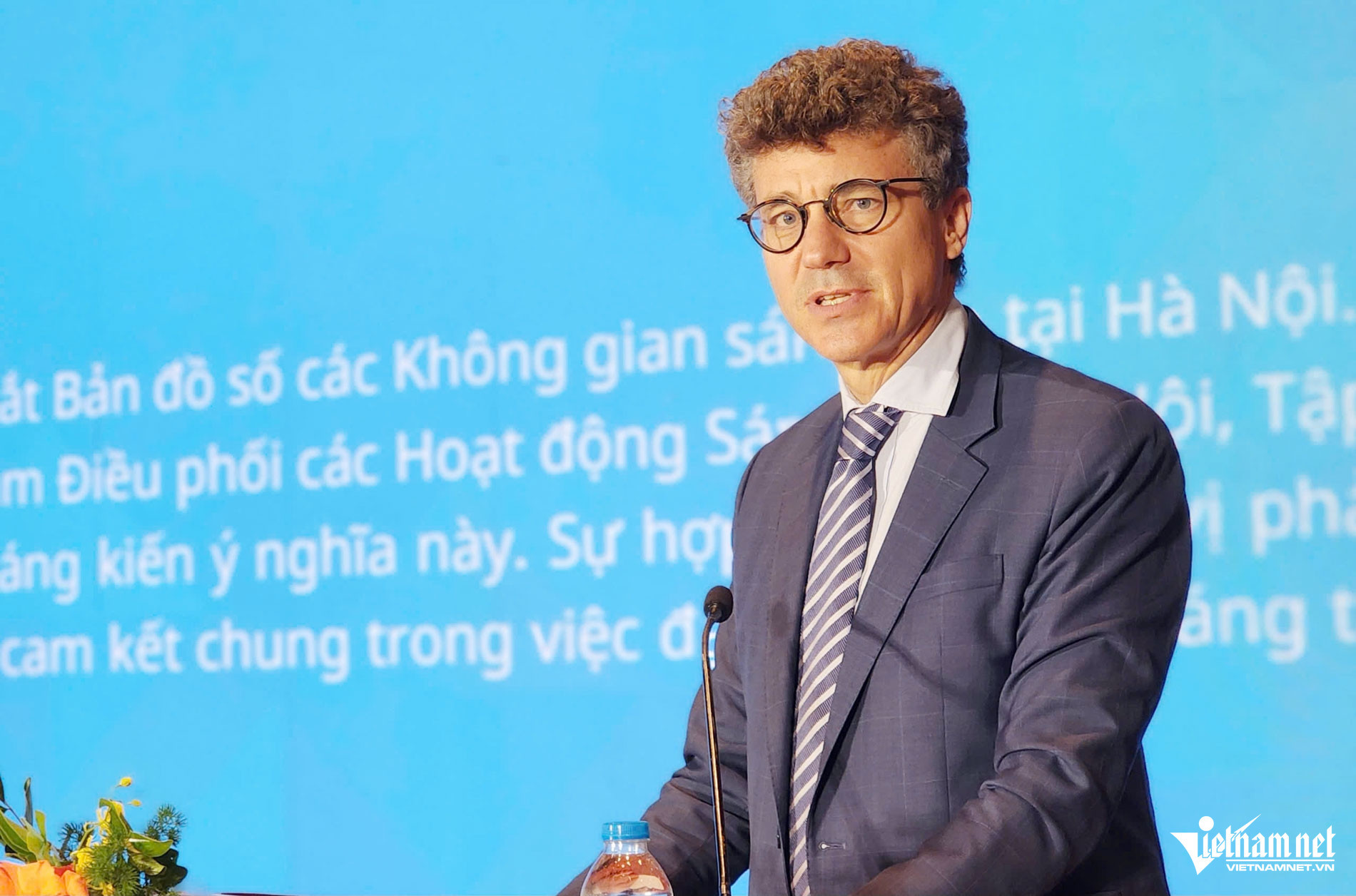
Speaking at the launch event, Jonathan Baker, UNESCO Representative to Vietnam, emphasized that UNESCO is honored to accompany Hanoi in developing the digital map of creative spaces as a tool to improve visibility, accessibility and connections among the city's dynamic creative communities.
According to Baker, the initiative is more than just a digital platform. It reflects Hanoi's development vision as a Creative City, where culture is viewed as a driver of innovation, resilience and sustainable growth.
"This initiative will help foster deeper collaboration within the creative community, inspire broader public participation in cultural life and further reinforce Hanoi's position as a vibrant regional center of creativity," Baker said.
As part of the event, organizers also introduced the platform and provided practical guidance on how to use it, including live demonstrations by participating members of the network.
Another highlight of the program was the presentation of plans for the Hanoi Creative Design Festival 2026.
Building on the success of previous editions, this year's festival is expected to expand in scale with a wider range of activities connecting art, design, technology, heritage and creative communities.
According to organizers, the festival will focus on activating heritage spaces through creative activities, increasing participation from young creative communities, developing design initiatives linked to urban life, connecting creative spaces into citywide networks and expanding the use of digital technologies in cultural and artistic experiences.
Organizers hope that active participation from the creative community will contribute to a festival that promotes stronger connections, encourages innovation and celebrates Hanoi's distinctive cultural values.
Tinh Le
.svg)
