 Vietnamnet.vn

 Podcast



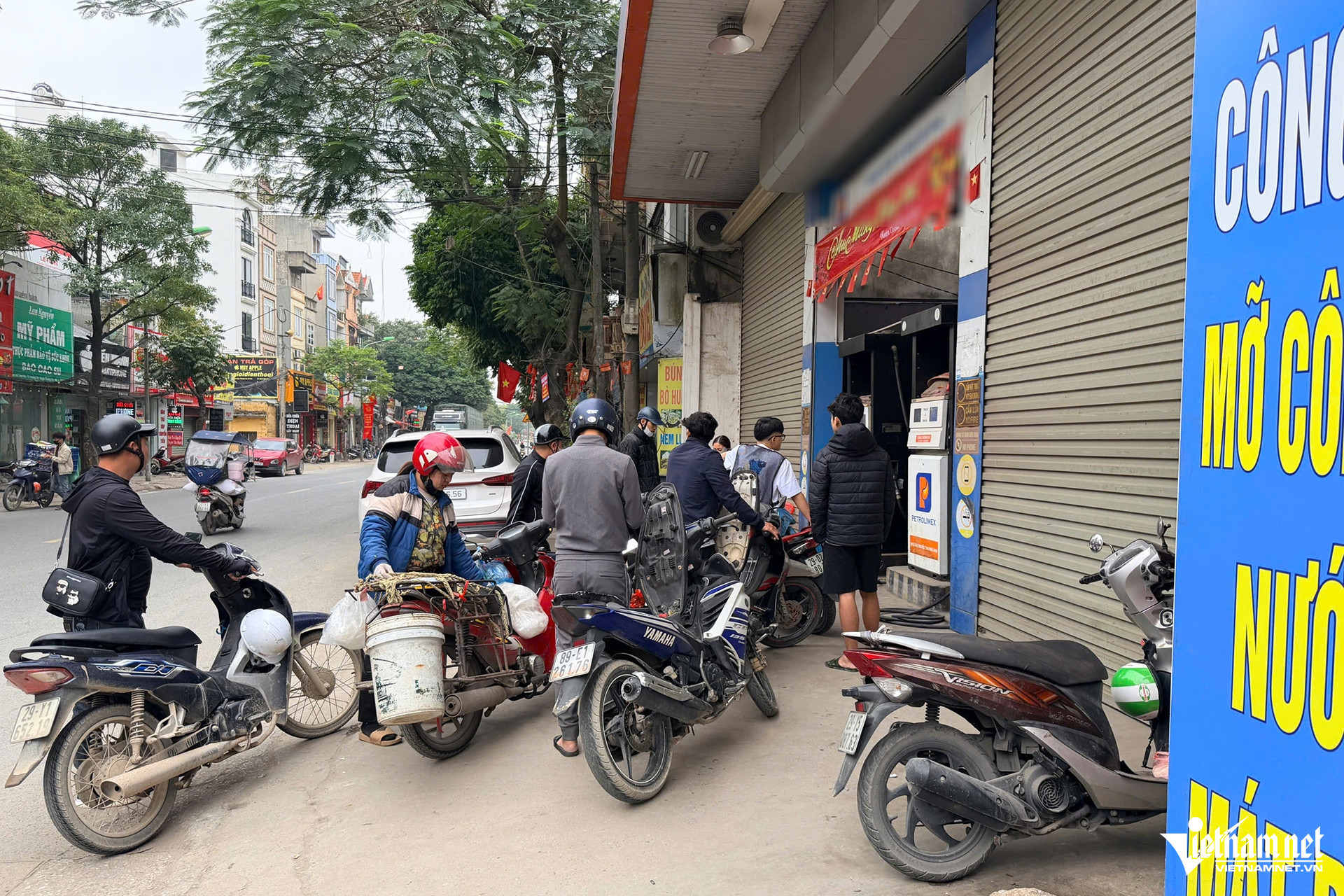
Companies are required to strictly comply with existing regulations. Any violations detected will be handled in accordance with the law.
The city also stressed that petrol stations must not arbitrarily suspend sales without legitimate reasons, which could lead to local shortages or disruptions in supply.
At the same time, authorities must promptly detect and handle acts of fuel hoarding, artificial supply shortages, unreasonable discount reductions or failure to supply sufficient fuel to retail stations, all of which could destabilize the market.
The Hanoi Market Surveillance Department has been tasked with closely monitoring market developments and taking timely action within its authority to ensure fuel supply across the capital.
If complicated issues arise beyond its authority, the agency must promptly report them to the Hanoi People’s Committee and the Ministry of Industry and Trade for further direction.
The Department of Industry and Trade is also responsible for guiding documentation and procedures to facilitate businesses in petroleum trading and supply operations while ensuring compliance with legal regulations.
In addition, the department must regularly monitor supply levels among key distributors and fuel wholesalers in the city, review any difficulties arising in the market and report them to the city authorities and the Ministry of Industry and Trade to propose timely regulatory measures.
The Hanoi People’s Committee also requested petroleum wholesalers and distributors to strengthen their responsibility in ensuring supply stability, maintaining continuous fuel availability across distribution networks and preventing disruptions in supply chains serving residents.
Dinh Hieu
.svg)
