 Vietnamnet.vn

 Podcast


Hanoi is moving to strengthen the protection of urban green spaces while introducing digital management systems and new investment mechanisms to expand its network of parks, gardens and lakes.
Speaking at a conference on November 13 to implement the city's project on managing and developing trees, parks, flower gardens and water bodies, Tran Huu Bao, Deputy Director of the municipal Department of Construction, emphasized the importance of green infrastructure.
He said trees, parks, gardens and water bodies not only enhance urban landscapes and preserve the city's identity but also form an essential part of its infrastructure.
These spaces help regulate temperatures, improve environmental quality, support drainage, reduce flooding and enhance residents' quality of life.
However, rapid urbanization is placing increasing pressure on land reserved for public spaces, while extreme weather and growing risks to tree safety are creating additional challenges.
Bao stressed the need for a more coordinated, systematic and data-driven management approach, supported by clear responsibilities and long-term planning.
According to the official, the Hanoi People's Committee's approval of the development project and new regulations governing parks, trees and water bodies marks an important step toward integrated green space management.
The city aims to move beyond fragmented maintenance practices toward a comprehensive system that combines conservation with new development, digital records, decentralized responsibilities and stronger monitoring.
Hanoi seeks to prevent further loss of inner-city green land
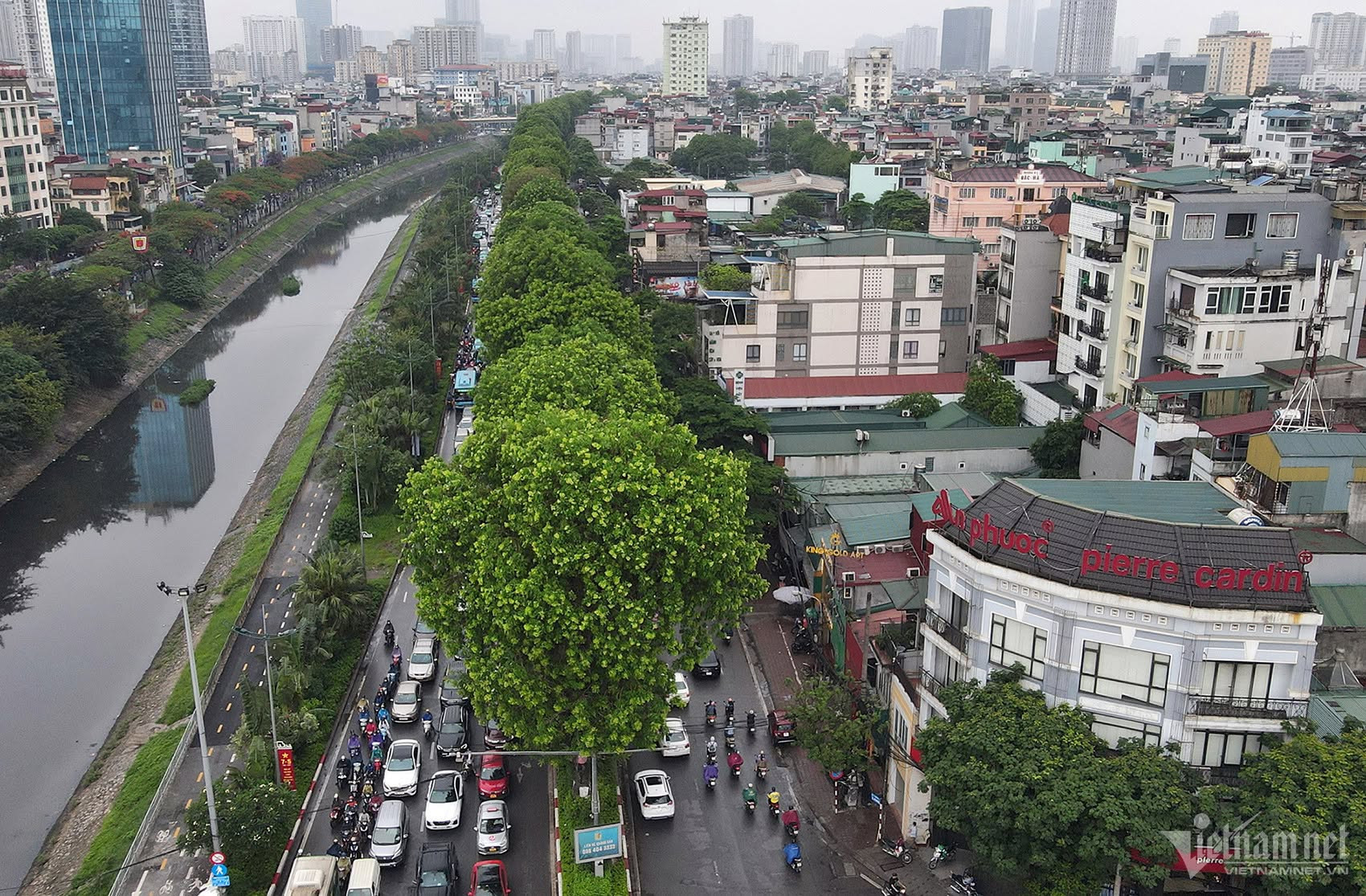
Under the project, green spaces are identified as a fundamental component of sustainable urban development, environmental protection and improved living standards.
In recent years, Hanoi has expanded roadside greenery, renovated several inner-city lakes and gradually developed a network of parks and public gardens.
Nevertheless, land available for green spaces remains limited, particularly in densely populated inner-city districts, while investment resources have yet to meet growing demand.
A key recommendation is to review and strictly protect the remaining green land within the inner city.
The project calls for preventing changes to approved land-use plans or the conversion of these areas to other purposes.
Hanoi also intends to expand green corridors and develop multifunctional parks combining ecological conservation, sports, education and recreation.
Green spaces will be integrated with environmentally friendly transport infrastructure and flood prevention measures.
Another major priority is establishing a comprehensive database of urban trees across the capital.
The Department of Construction will oversee the database, regularly update information and provide guidance to commune-level authorities on managing trees under their delegated responsibilities.
The database is expected to support citywide monitoring, maintenance and long-term planning for urban greenery.
The project also encourages innovative greening solutions, including vertical gardens, rooftop vegetation and community-oriented open spaces.
In addition, Hanoi plans to compile an inventory of heritage trees, rare species and ancient trees with historical or cultural significance to strengthen conservation efforts.
The city will study the introduction of tree species that are drought-resistant, capable of filtering airborne dust, absorbing carbon dioxide and adapting to urban environmental conditions.
Private investment sought for park development
To address funding constraints, the project recommends increasing public investment in green infrastructure, particularly the renovation of inner-city parks, construction of retention lakes and development of green corridors.
Hanoi also plans to mobilize private-sector resources through public-private partnerships (PPPs), international sponsorship and greater business participation in the development and management of green spaces.
The city is exploring additional models, including agricultural parks and low-emission zones, while promoting the use of geographic information systems (GIS) for tree management.
Renewable energy and climate adaptation measures will also be incorporated into its green development strategy, supporting Vietnam's goal of achieving net-zero emissions by 2050.
These measures are expected to help address shortages of green land and limited investment resources while gradually realizing Hanoi's vision of becoming a "City of Rivers and Lakes, a Green City."
The long-term ambition is to create an urban environment characterized by "forests within the city and a city within the forest," where natural landscapes and urban development coexist.
Vu Diep

