 Vietnamnet.vn

 Podcast



According to the National Center for Hydro-Meteorological Forecasting, as of December 22, cold air over the region had temporarily weakened but remained stable in strength. However, the system is expected to intensify again late on December 24 and into the 25th.
From tonight through December 24, areas in Northern and North Central Vietnam will see light rain in some places, with fog and light mist in the early mornings. The Northeast, in particular, may experience scattered light rain during night and morning hours. The weather will remain chilly.
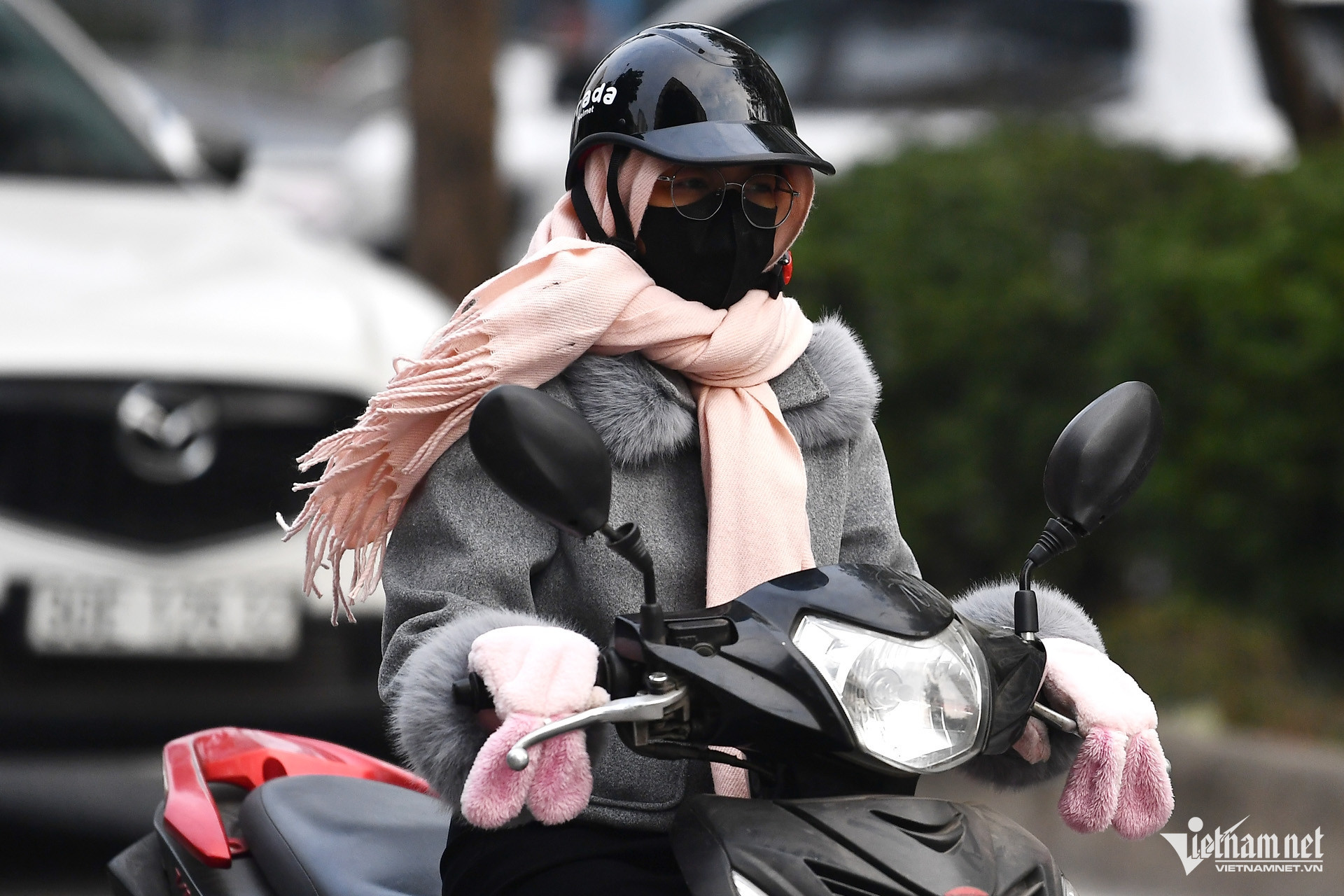
Following that, from the night of December 24 to 25, scattered rain is expected to return to these regions, easing to light showers in some areas. Morning mist may occur, and temperatures will continue to drop, especially in the mountainous regions of the Northeast, where intense cold is possible.
In Hanoi, around December 25, the incoming cold front is forecast to bring light showers, with northeasterly winds of level 3, and a marked shift to cold weather.
Temperatures in the capital are expected to fall from a high of 27°C to just 20°C, with lows dipping to 16°C, and potentially dropping further to 14°C in the following days.
Rain is expected to taper off afterward, but the cold will persist until the end of 2025.
Meanwhile, from Quang Tri to Da Nang, and the eastern parts of Quang Ngai to Dak Lak, showers and scattered thunderstorms are forecast, with moderate to heavy rainfall possible between December 25 and 26, along with isolated very heavy downpours and thunderstorms. The north of this region will experience cold weather at night and in the early mornings, with temperatures shifting to cold conditions from December 26 onward.
Other regions of the country will see isolated showers and thunderstorms in the evening and night, and sunny weather during the day. In the South, starting the evening of December 24, scattered rain and thunderstorms are expected, with localized heavy rain in some areas.
Cold spells and frost risk ahead
Looking ahead, meteorologists predict that during the one-month period from December 21, 2025 to January 20, 2026, average temperatures across most of the country will remain near historical norms, with Northern and North Central Vietnam expected to be 0.5 to over 1°C warmer than average.
Total rainfall is likely to be lower than normal nationwide, though widespread rain events may still occur in areas like Quang Tri to Da Nang, eastern Quang Ngai, and Gia Lai.
No storms or tropical depressions are expected to form over the East Sea during this period.
Although this winter’s cold air is forecast to be weaker than in previous years, authorities still warn of potential cold snaps in January 2026, including intense cold spells with the possibility of frost, freezing temperatures, and fog in high-altitude areas.
The meteorological agency emphasized that in the context of climate change, weather patterns are becoming increasingly complex and extreme-from sudden heavy rains, to flash floods, landslides, and cold spells.
Therefore, local governments and residents are urged to stay updated on short-term (1–3 day) forecasts, to better adapt and adjust both production plans and daily life to changing weather conditions.
Bao Anh
.svg)
