 Vietnamnet.vn

 Podcast


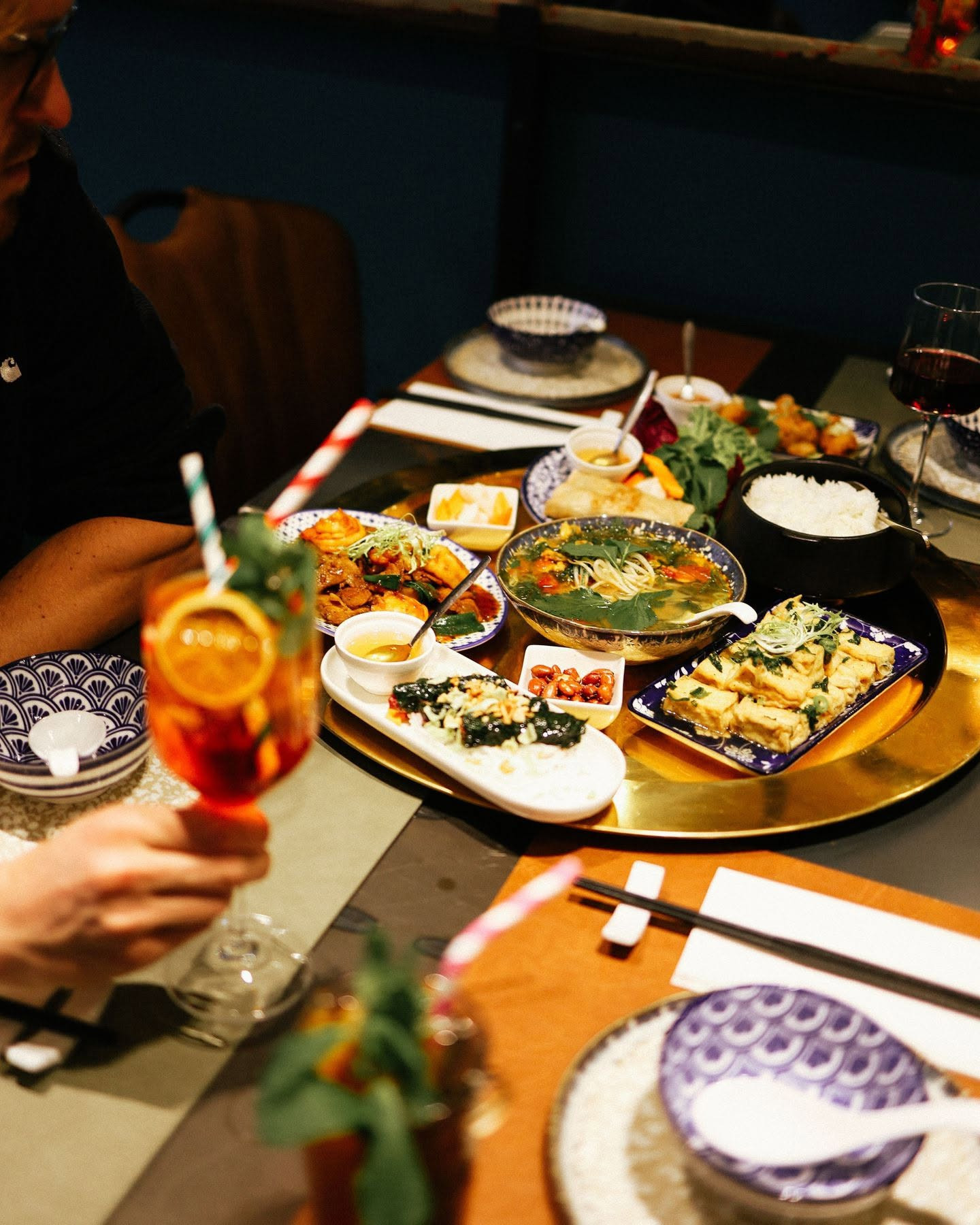
In early October, Dao Hong Hai, a Hanoi native, and her husband were busily preparing for an event celebrating the 10th anniversary of their Vietnamese restaurant chain in Brussels, Belgium.
A decade ago, Hai and her husband opened their first Hanoi Station restaurant in Brussels. Today, the brand has grown into a chain of five restaurants, two of which were recognized in 2026 by Gault&Millau, a prestigious culinary guide in Belgium and Luxembourg.
From waitress to owner
In 2005, Hai gave up her job as a reporter and moved to Belgium to study hospitality management. During her early days in a foreign land, she faced numerous language and lifestyle hurdles. Attending classes by day, she worked evenings as a waitress and dishwasher at a Vietnamese restaurant to cover living costs and gain industry experience.
At the time, Hai noticed that Vietnamese restaurants in Belgium primarily leaned toward Southern flavors, whereas Northern cuisine, especially Hanoi food, remained largely untapped. From then on, she harbored a dream of opening a restaurant specializing in Hanoi dishes in Belgium.
"In 2007, I got married. Spending long periods at home caring for my young child made me miss Hanoi and its street food even more. I visited many Vietnamese eateries in Brussels, but couldn't find pho with the broth and flavor typical of the North," she recalled.
In 2014, with encouragement from her Belgian husband, Hai traveled to the Czech Republic to learn how to cook pho before returning home to practice, relying on her husband to taste and offer feedback.
The couple decided to pool their savings and borrow additional funds from friends to open their first restaurant in 2016.
They chose the name "Hanoi Station" to make it easy for international guests to pronounce while still evoking Vietnamese origins. The concept was inspired by Bernard De Proost, Hai's husband, following a documentary on Vietnamese railways. The name was also easily pronounceable in both English and French.
The restaurant was designed around a concept of Hanoi railway station, with bench seating, station indicator lights and other items reminiscent of trains.
Initially catering primarily to office workers, they adopted a fast-casual model focusing on lunch service with four core offerings: pho, fresh spring rolls, steamed dishes, and grilled items.
During the initial years, Hai managed food preparation and human resources, while her husband handled paperwork, accounting, and finances. After roughly four years of rapid growth at Hanoi Station, her husband quit his job as a pharmaceutical sales representative to join his wife full-time in managing the restaurant.
According to Hai, the biggest challenge when operating restaurants in Belgium lies in complying with strict food safety regulations and labor rights laws. Labor costs, taxes, insurance, and welfare benefits also impose considerable financial pressure.
Even during periods when profits declined, Hai remained committed to Vietnamese cuisine, especially dishes that reminded her of Hanoi.
From pho to home-style rice trays drawing dinners
Over the past 10 years, the couple has expanded their first restaurant into a five-restaurant chain in Brussels.
From the very beginning, Hai made it a point to maintain Hanoi's signature dishes on the menu. Pho and fried spring rolls (nem) served as core staples alongside bun cha (charbroiled pork with rice vermicelli), cha ca la vong (turmeric fish with dill), bun dau mam tom (vermicelli with fried tofu and shrimp paste), fish noodle soup, crab noodle soup, and banh my chao (bread with pan).
However, introducing Vietnamese dishes to Europe was not simply a matter of transplanting recipes from Vietnam. A tougher hurdle lay in sourcing raw ingredients. Asian supermarkets in Belgium mainly imported items tailored to Southern Vietnamese, Thai, Chinese, or Korean palates, making Northern specialties quite rare.
In the beginning, Hai had to learn to make items herself. Later, she connected with a Vietnamese-owned business in the Netherlands to secure supply chains for traditional ingredients.
A stable ingredient supply allowed chefs brought over from Vietnam to prepare dishes with authentic traditional flavors without heavily tweaking recipes to pander to foreign tastes.
Over the past two years, Hai introduced the "Vietnamese home-style rice tray" (mam com nha) concept to the menu at Vietnam by Hanoi Station. Instead of ordering individual dishes, diners are served a shared meal featuring five dishes.
The restaurant also serves nuoc sau, a drink made from dracontomelon fruit that is popular in Hanoi. It has become a favorite among the Vietnamese community, visiting embassy delegations and foreign diners. For Hai, this represents a way of telling Vietnam's story through the humble things.
Linh Trang - Trong Nghia

