 Vietnamnet.vn

 Podcast


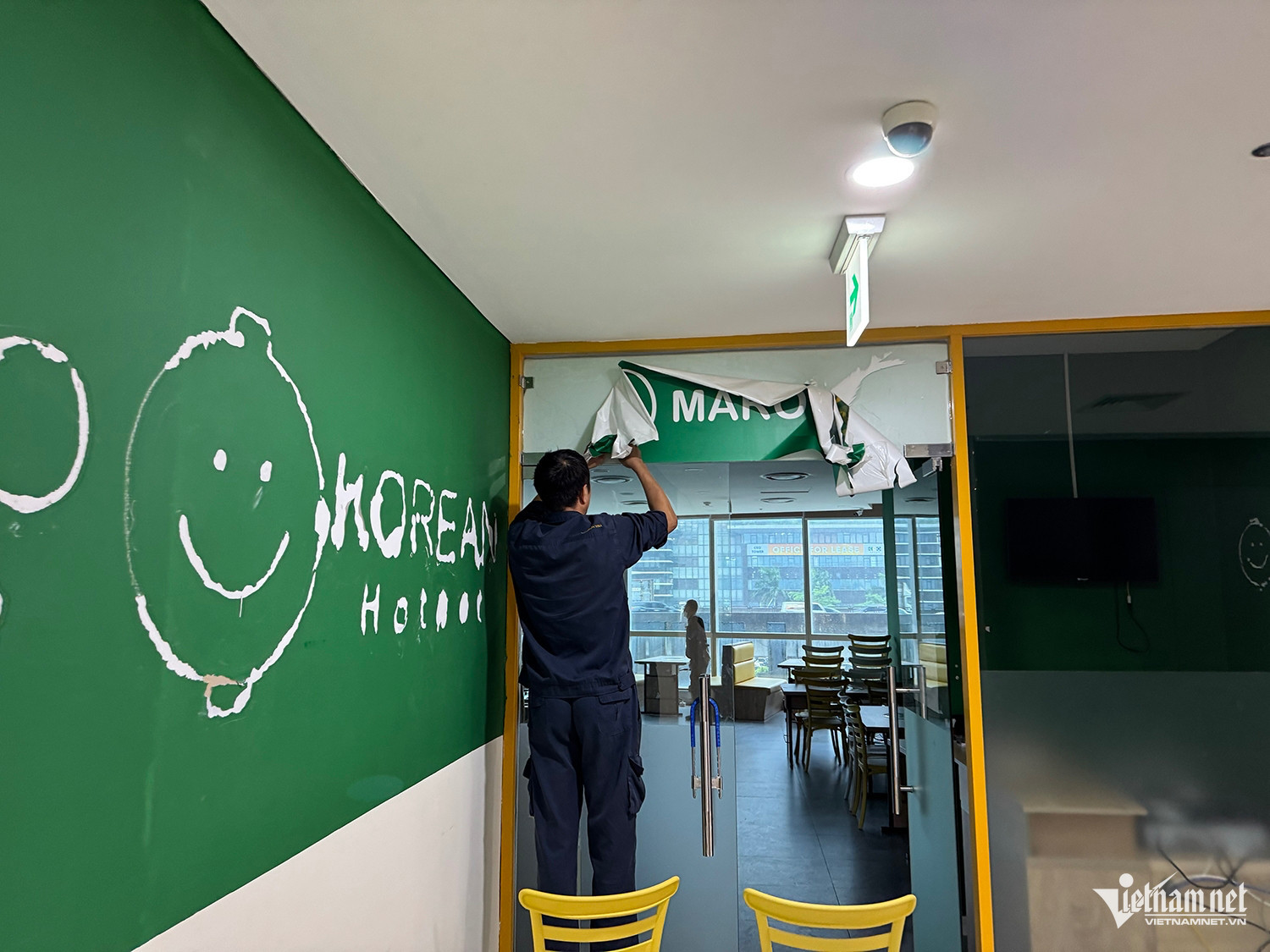
After nearly a decade in business, a number of restaurants and beer eateries in Hanoi are shutting down and returning their premises despite having a stable base of regular customers. Falling revenue, coupled with monthly rents of hundreds of millions of dong, is forcing owners to reassess their businesses.
After closing its outlet on Khuat Duy Tien Street, the owner of a goat-meat restaurant chain returned the premises of another location in Ha Dong. The outlet had been operating since 2017 when nearby urban areas such as An Hung and Van Phu were still sparsely populated.
Over the years, the surrounding residential areas have developed and many new dining venues have opened. The owner said he could not invest in renovations or expand the space, which has also weakened the restaurant's competitiveness and led to a gradual decline in business.
Before deciding to return the premises, the owner looked for someone to take over the business. The proposed transfer included a rental subsidy covering around six months, worth nearly VND200 million. However, after four months of searching, the owner was unable to find a new tenant, with only one month remaining before the premises had to be handed back.
The owner said that, despite its limited space, the outlet had maintained a group of regular customers for years. However, the stable customer base was not enough to keep it operating as business conditions became increasingly unfavorable.
The owner hopes to find another site in Ha Dong and reopen the restaurant when suitable conditions arise.
On Le Dai Hanh Street, a large-scale restaurant has also ceased operations after its lease expired. A representative of the restaurant chain said the decision was part of a business plan drawn up from the outset, based on operating the location for a specific period.
The initial rent was around VND200 million a month, but rose to about VND385 million after several years. So the outlet had merely been breaking even for several consecutive months.
Initially, the location served not only as a business outlet, but it also helped raise brand awareness thanks to its prominent position. However, as the chain expanded and its brand became better known, the location's promotional value diminished while rental costs rose.
In addition, the chain shifted its focus toward developing indoor dining, which required different spaces and operating arrangements. Returning the premises has allowed the business to reduce rental expenses and concentrate resources on models that better suit its needs.
A market survey has shown that many eateries and restaurants have closed, returned their premises, or put up signs offering their businesses for transfer. Some locations have been advertised for takeover for months without attracting new tenants.
Cost pressures, changing dining habits
Expert Tran Khanh Minh Son said that as consumers tighten their spending, long-established restaurants are facing pressure from both revenue and operating costs. Customers may eat out less often, spend less on each meal, or switch to venues with more affordable prices.
Meanwhile, restaurant owners still have to pay rent, staff salaries and other fixed expenses. If customer numbers remain low for an extended period, revenue may no longer be sufficient to cover costs, making it difficult for a business to stay open even if it has operated for years and built up a loyal customer base.
Beyond purchasing power, changes in dining habits are also creating new demands for restaurants. A venue that was once popular may lose its appeal if its menu lacks variety, its facilities deteriorate or its prices no longer match the experience it offers. With more options available, customers can also switch more easily to places that better meet their needs.
To adapt, restaurant owners need to reassess their target customers, their spending capacity, and changes in dining preferences. They can then adjust menus, portion sizes, prices and service arrangements accordingly. Such changes should be based on actual business performance, rather than involving major investments in decoration or expansion before the potential returns have been assessed.
Owners should also review the costs of each outlet, from rent and staffing to ingredient waste, rather than focusing solely on revenue or customer numbers. A restaurant that is busy at weekends but quiet on weekdays may not necessarily generate enough profit to remain viable.
Duy Anh

