 Vietnamnet.vn

 Podcast



Public expectations are high, he warned, and must not be allowed to turn into disappointment.
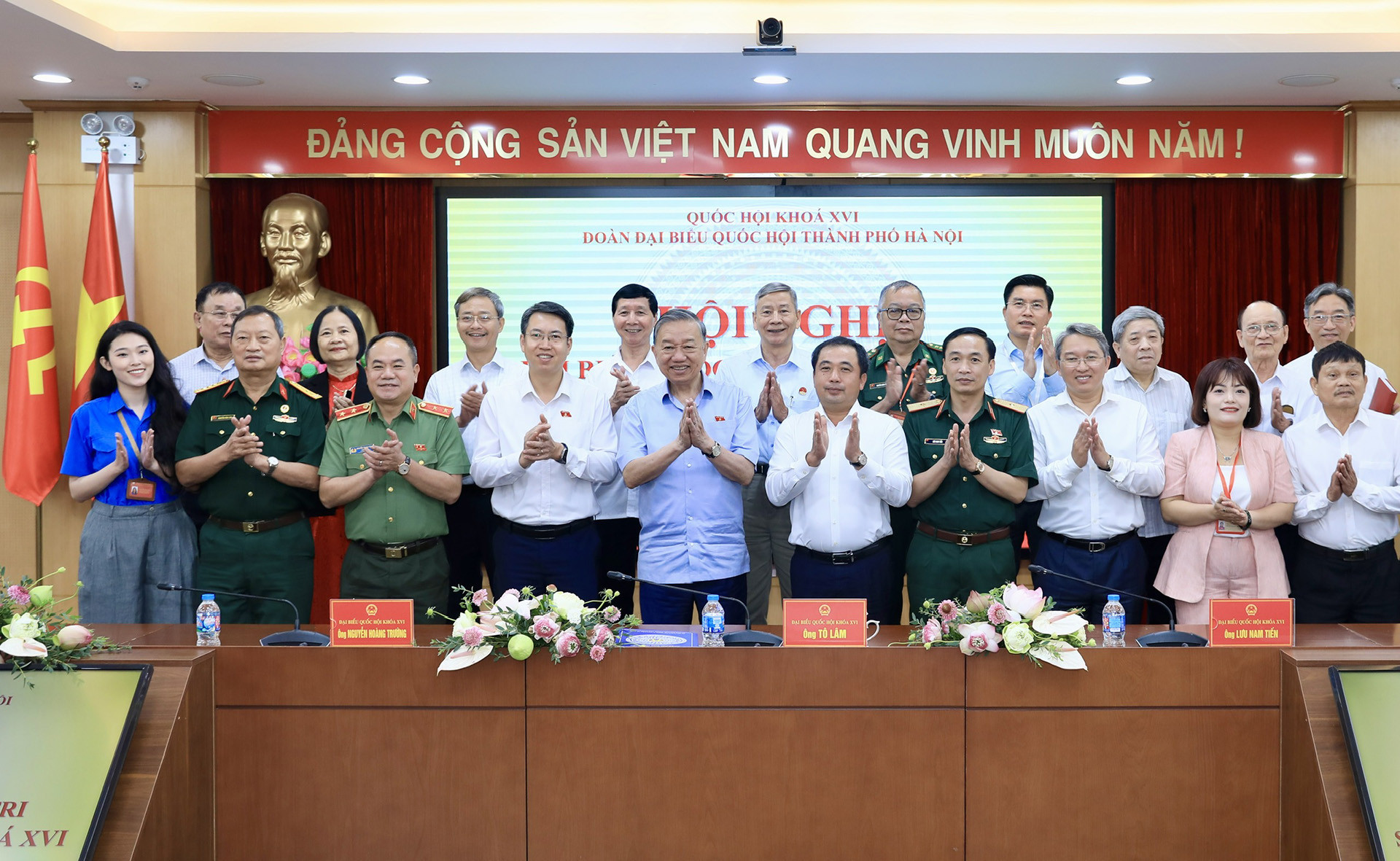
Speaking at a voter meeting across 10 wards in Hanoi on May 4, Mr. To Lam said that under the two-tier local government model, voters had recognized initial improvements, including a more streamlined apparatus, greater autonomy at the grassroots level, and more convenient administrative procedures.
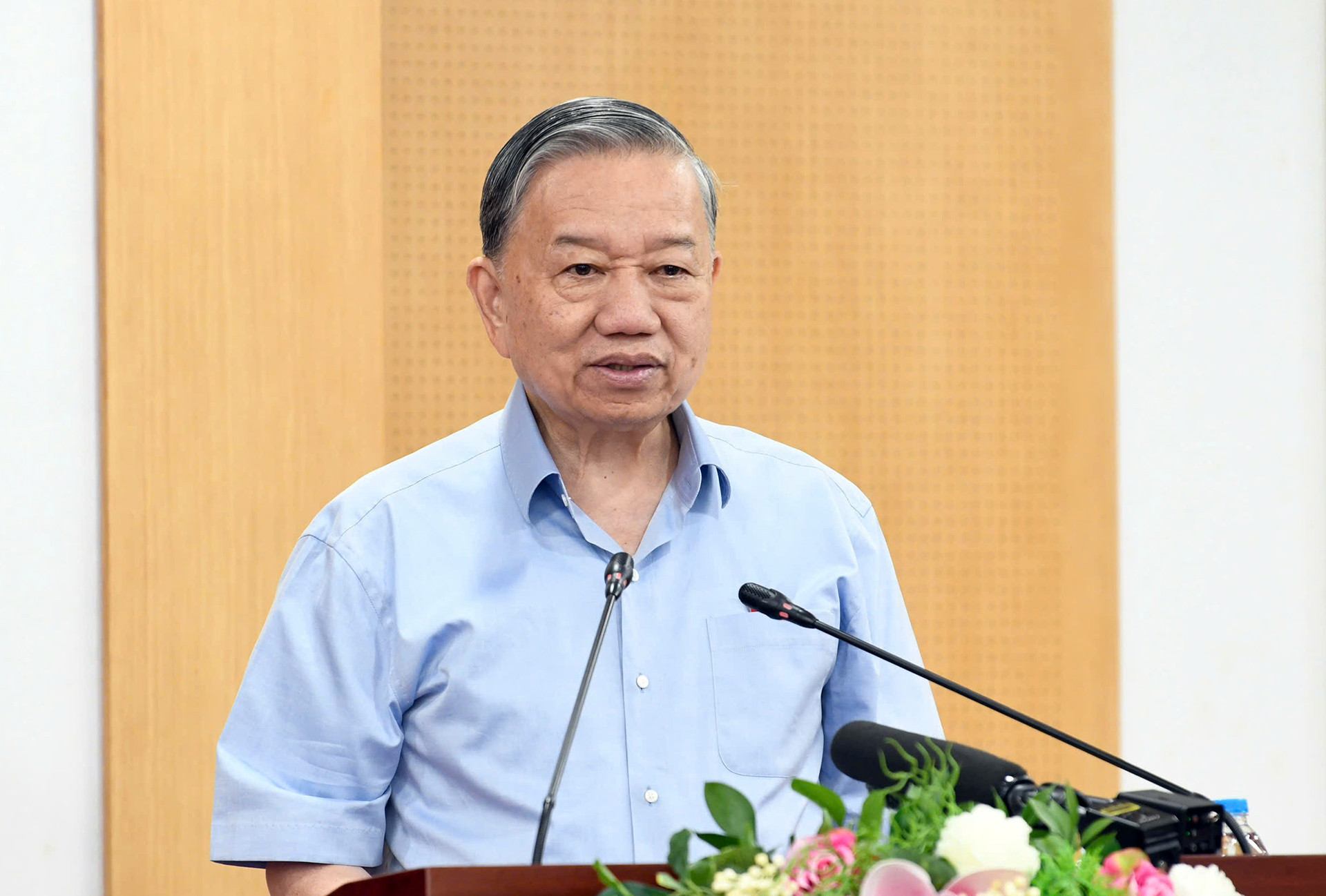
He stressed that all matters must be resolved at the commune or ward level, without requiring citizens to escalate issues to city or central authorities. Responsibilities must be clearly decentralized, with deadlines enforced and no room for bureaucratic delays.
Local authorities, he said, must take full responsibility for addressing public concerns, rather than deflecting them to higher levels. If grievances persist, commune-level authorities must compile and report them to the city and relevant ministries.
At the grassroots level, voters raised practical concerns such as operational funding for local organizations, restructuring residential groups, and criteria for non-specialized officials.
“To streamline the apparatus is necessary, but it must not weaken grassroots engagement or reduce the ability to respond to issues arising within communities,” he emphasized.
The competence of officials, he added, lies in their ability to meet legitimate demands from citizens, without leaving unresolved issues. Ward leaders must actively engage with the public and directly handle administrative procedures, rather than merely approving documents.
Hanoi holds a special position as the country’s political, cultural, educational, scientific, and innovation hub, as well as a driver of national development. Each step forward by the capital, he noted, should have a ripple effect nationwide and even internationally.
Good governance in Hanoi contributes directly to enhancing Vietnam’s national image and administrative capacity.
Referring to the amended Law on the Capital and a 100-year vision master plan, To Lam said these frameworks would enable Hanoi to proactively design policies, mobilize resources, and address bottlenecks while reorganizing development space.
He posed a question about legacy: while French-built structures from over a century ago still stand today, what will Vietnam leave for future generations in the next 100 years?
Planning, he said, must be consistent and long-term, avoiding frequent changes that erode public trust. It should cover everything from underground infrastructure to above-ground and elevated spaces, while addressing traffic congestion and flooding in a comprehensive manner.
Hanoi, he stressed, must shift from policymaking to execution, from having mechanisms to effectively operating them, and from planning to delivering tangible results.
He cited the rapid site clearance for Ring Road 4, completed in some areas within just 15 days - compared to eight years previously - as evidence of what can be achieved with decisive action and public support.
“People have high expectations. We must not let those expectations turn into disappointment,” he said.
Despite its advantages, Hanoi must not become complacent, as other provinces are developing rapidly. Compared to regional capitals such as Bangkok, Jakarta, Beijing, and Singapore, Hanoi risks falling behind.
“The scale of our economy remains smaller than theirs. We cannot afford to be slow or complacent,” he said.
Toward 2045: testing a socialist urban model
Mr. To Lam revealed that he had previously suggested to Hanoi’s Party leadership the idea of building pilot “socialist wards” or communes.
By 2045, Vietnam aims to become a developed, high-income country - marking the end of its transitional period toward socialism.
“When that goal is achieved, we will have laid the foundation for a new society,” he said.
The proposed pilot model would allow authorities to test how such a system should function in practice - from quality of life and public services to education, healthcare, mobility, and environmental standards.
If suitable, an existing advanced ward or commune could be upgraded. Otherwise, a completely new urban unit could be built, with integrated infrastructure, smart systems, and a high quality of life.
The model could also extend to rural areas, with a “socialist rural commune” focusing on automation, production efficiency, and improved living standards.
“If we cannot build an entire city yet, we can begin with one ward or commune,” he said, urging the city to select a location and prioritize the best resources for the pilot.
Given the current pace of development, he expressed confidence that Hanoi could successfully implement such a model.
“If Hanoi can achieve this, it will not only grow faster and more modern, but also become a more livable, humane, and civilized city,” he concluded.
Tran Thuong
.svg)
