 Vietnamnet.vn

 Podcast



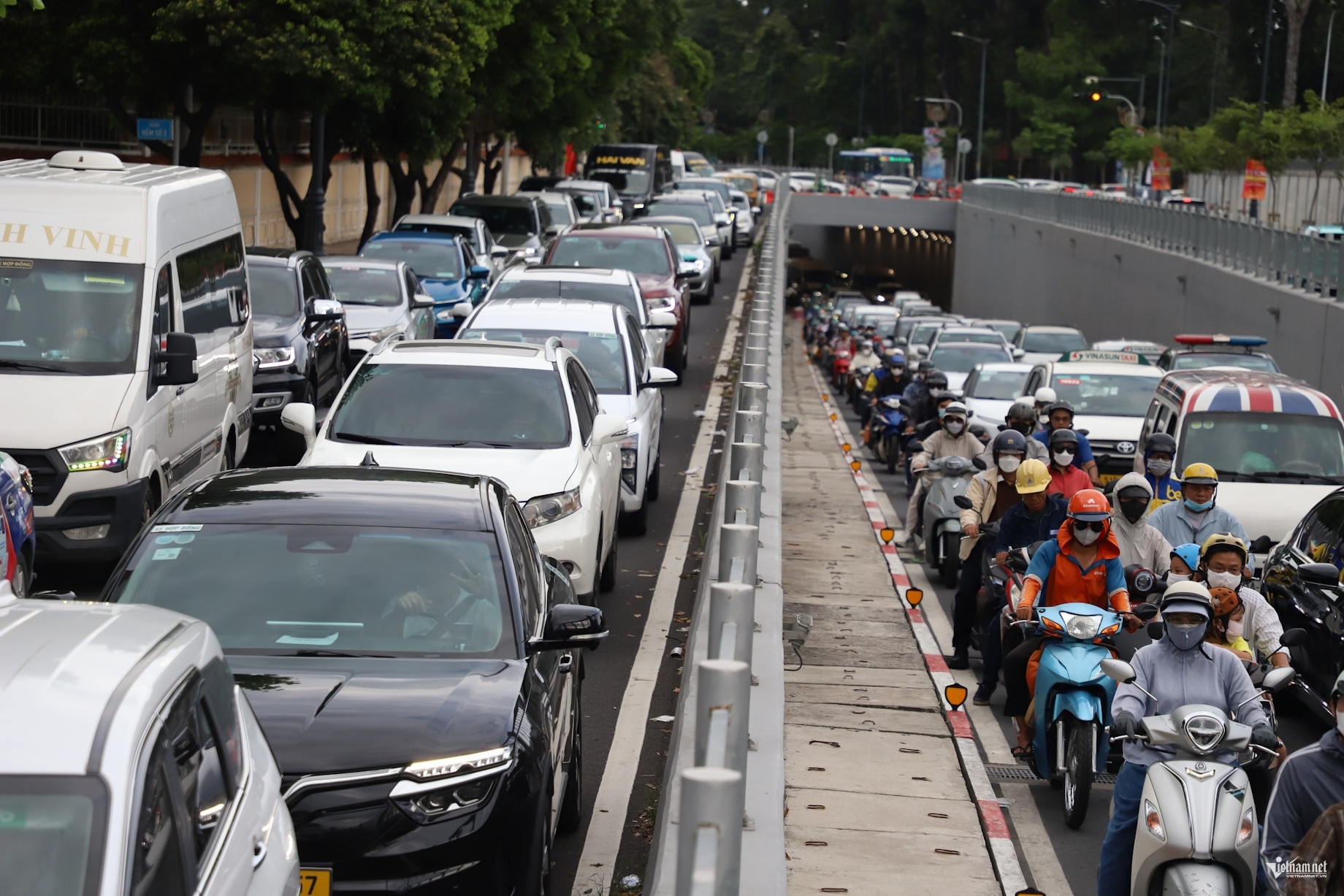
The plan sets out a phased transition based on increasingly stringent emissions standards and the adoption of green energy. Buses and three-wheeled garbage collection vehicles will be required to switch to electricity or other green energy sources from 2027. By 2028, ride-hailing motorbikes and delivery vehicles will also have to go green, while taxis will be required to meet Level 5 emissions standards before completing their transition by 2030.
For contract vehicles, passenger coaches and trucks, Level 4 and Level 5 emissions standards will apply from 2028, followed by a complete transition to green energy between 2032 and 2035.
For private vehicles, cars will have to meet Level 4 emissions standards from 2028 and Level 5 from 2030, before completing the green transition in 2035. Private motorbikes will be subject to Level 3 standards from 2029 and Level 4 from 2030, and will be required to run on electricity or other green energy sources from 2035. Con Dao and Can Gio, two areas with distinctive geographic and environmental conditions, are expected to complete their green vehicle transitions by 2035 and 2040, respectively.
More than 300 cameras to monitor and fine non-compliant vehicles
To enforce the scheme, HCM City plans to install 304 automatic number plate recognition (ANPR) cameras at gateways and on roads leading into and out of the LEZ. Nearly 200 existing cameras would be incorporated into the system.
Camera data would be connected directly to vehicle registration and inspection databases to determine whether individual vehicles are eligible to enter the zone. The estimated cost of hiring IT services to operate the system is VND700 billion (about US$26.6 million) over five years.
As Vietnam does not yet have regulations specifically governing low-emission zones, the city proposes penalizing motorists who fail to comply with road signs under Decree 168/2024/ND-CP, following a “communication first, penalties later” approach.
During the first six months, authorities would focus on public information campaigns and warnings rather than fines. From the seventh month through December 2027, penalties would be set at 50% of the prescribed levels: VND100,000 (US$4) for motorbikes and VND200,000 (US$8) for cars.
After 12 months, full fines would apply, at VND200,000 (US$8) for motorbikes and VND400,000 (US$15) for cars, with motorists potentially also losing points from their driving licenses. In the longer term, the city plans to ask the municipal People’s Council to introduce a dedicated enforcement framework.
HCM City currently has a population of around 14 million and manages 1.28 million cars and 11.5 million motorbikes. Road traffic accounts for as much as 88% of local fine particulate pollution. The proposed scheme is expected not only to reduce air pollution but also to help address the city’s persistent traffic congestion.
Tuan Kiet
.svg)
