 Vietnamnet.vn

 Podcast


At a meeting with voters on healthcare issues chaired by the Ho Chi Minh City People’s Council on November 25, Tang Chi Thuong, Director of the municipal Department of Health, said the sector had been adapting to a significantly expanded administrative scale in 2026 following the integration of healthcare systems in Ho Chi Minh City, Binh Duong and Ba Ria - Vung Tau.
“The rapid expansion of our geographical coverage and administrative responsibilities following the merger has placed considerable pressure on staffing and management capacity,” Thuong said.
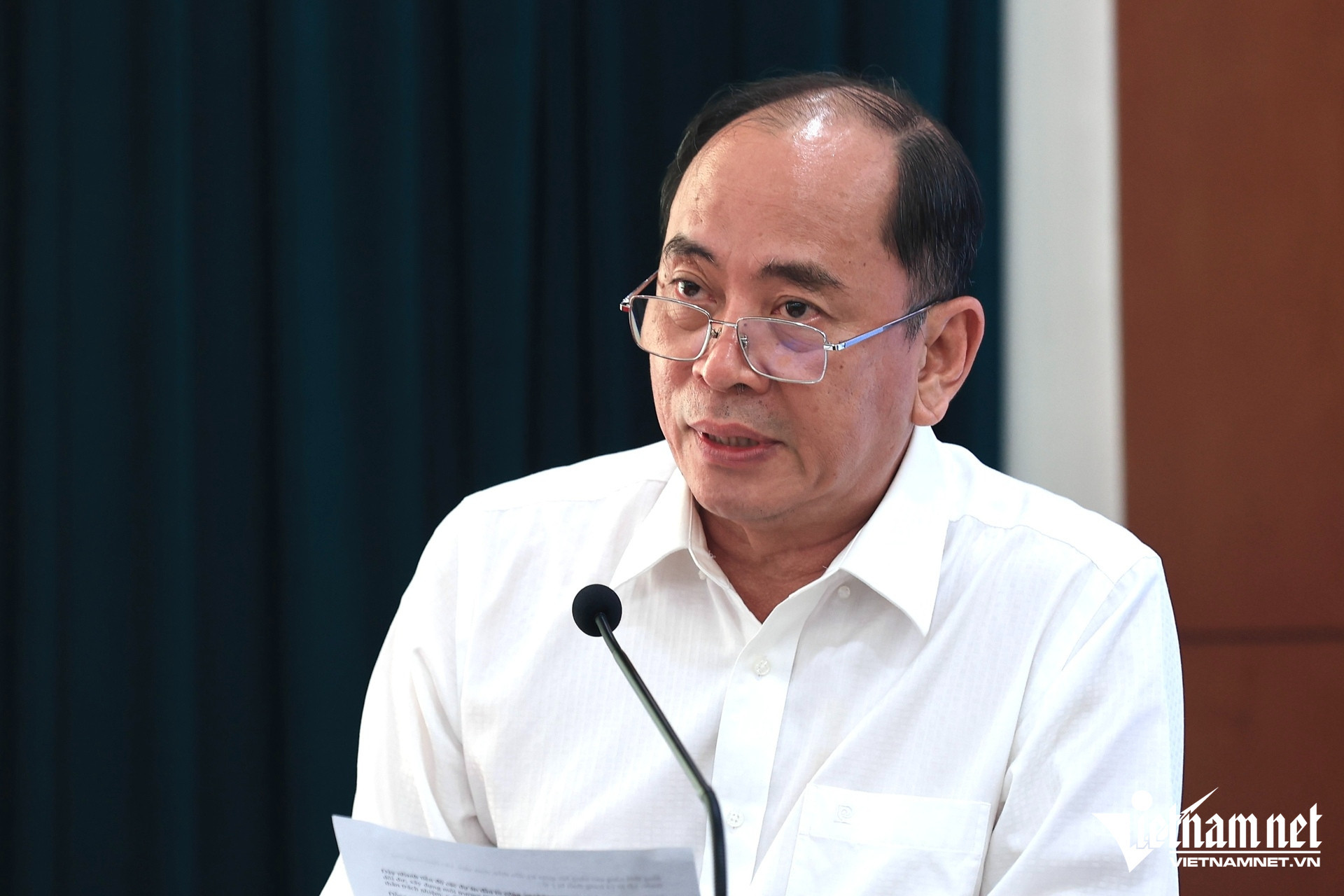
Tang Chi Thuong, Director of the Ho Chi Minh City Department of Health, speaks at the meeting. Photo: Phuoc Sang
The city’s healthcare system now serves more than 14 million residents, with 170 public and private hospitals, 12 regional medical centres, 168 commune-level health stations and an extensive network of clinics and pharmacies.
One notable achievement has been the campaign offering free health check-ups and screenings. As of November 23, nearly 9.99 million people had received health examinations, representing 78.1% of the city’s population.
The primary healthcare network has also been strengthened through the establishment of 226 continuous care teams across 83 wards and communes.
Under a hospital-to-health-station partnership programme for 2026-2030, each local health station will receive support from a general hospital. In the initial phase, 81 doctors were assigned on rotation to 37 health stations to provide medical examinations, treatment, training and technical expertise.
In digital transformation, all hospitals have introduced electronic medical records. Health data for approximately 7.6 million people have been collected through the community health management platform, while more than 3.5 million electronic health records have been integrated into Vietnam’s national digital identification application, VNeID.
The city also inaugurated two healthcare infrastructure projects and began construction on 33 others during the year.
However, Thuong acknowledged that primary healthcare capacity remains uneven, with many local health stations facing staff shortages, inadequate facilities and insufficient medical equipment.
Progress in providing universal health check-ups also varies across localities and population groups, particularly among employees working shifts.
The healthcare sector faces additional challenges involving hospital finances and health insurance reimbursements. Medical service fees do not yet fully reflect operating costs, leaving some public hospitals struggling under financial autonomy arrangements.
Health insurance expenditure in 2026 is estimated to exceed the allocated budget by approximately VND6 trillion (US$231 million), while several outstanding payments to healthcare facilities remain unresolved.
“The more pressing task in the coming period is to address bottlenecks in staffing, financing, primary healthcare capacity and data management, ensuring that every policy translates into better healthcare for residents,” Thuong said.
Calls for policies to retain healthcare workers

Hoang Van Dung, Deputy Director of Thu Duc General Hospital, presents recommendations. Photo: Phuoc Sang
At the meeting, many voters called for appropriate remuneration policies for clinical nurses and midwives working at public hospitals.
Despite providing direct patient care and facing demanding workloads, these healthcare workers are not entitled to the second-tier starting salary available to newly recruited doctors and pharmacists under National Assembly Resolution 261/2025/QH15.
The Department of Health acknowledged that public hospitals are experiencing severe nursing shortages.
Since 2024, the department has studied and proposed additional income support specifically for nurses, but the initiative was suspended due to regulatory obstacles related to salary reform.
The department will continue proposing that the municipal People’s Committee submit special support policies for nurses and midwives to the People’s Council for approval.
Staffing shortages also affect local health stations. Statistics as of June 17 showed that 41 of the city’s 168 health stations had fewer than five doctors.
The city has introduced recruitment incentives under Resolution 80/2026/NQ-HDND, targeting health stations that remain understaffed after two rounds of recruitment announcements.
Voters also called for appropriate support policies for employees at social assistance facilities who directly care for older people, people with disabilities, children in difficult circumstances and people with mental health conditions.
The Department of Health is working with relevant agencies to draft a new resolution aimed at standardising support policies across the city.
Support will be determined by the nature of employees’ work and the level of dependency of those receiving care. Priority will be given to staff directly caring for people with mental health conditions, people with severe disabilities and children unable to care for themselves.
In 2027, Ho Chi Minh City’s healthcare sector will focus on strengthening primary healthcare, completing its universal health check-up programme and addressing obstacles related to hospital financial autonomy, medical service pricing and health insurance reimbursements.
The city will also develop a multi-centre hospital network and accelerate the establishment of a centralised healthcare data repository.
Addressing health insurance, medicine and equipment shortages
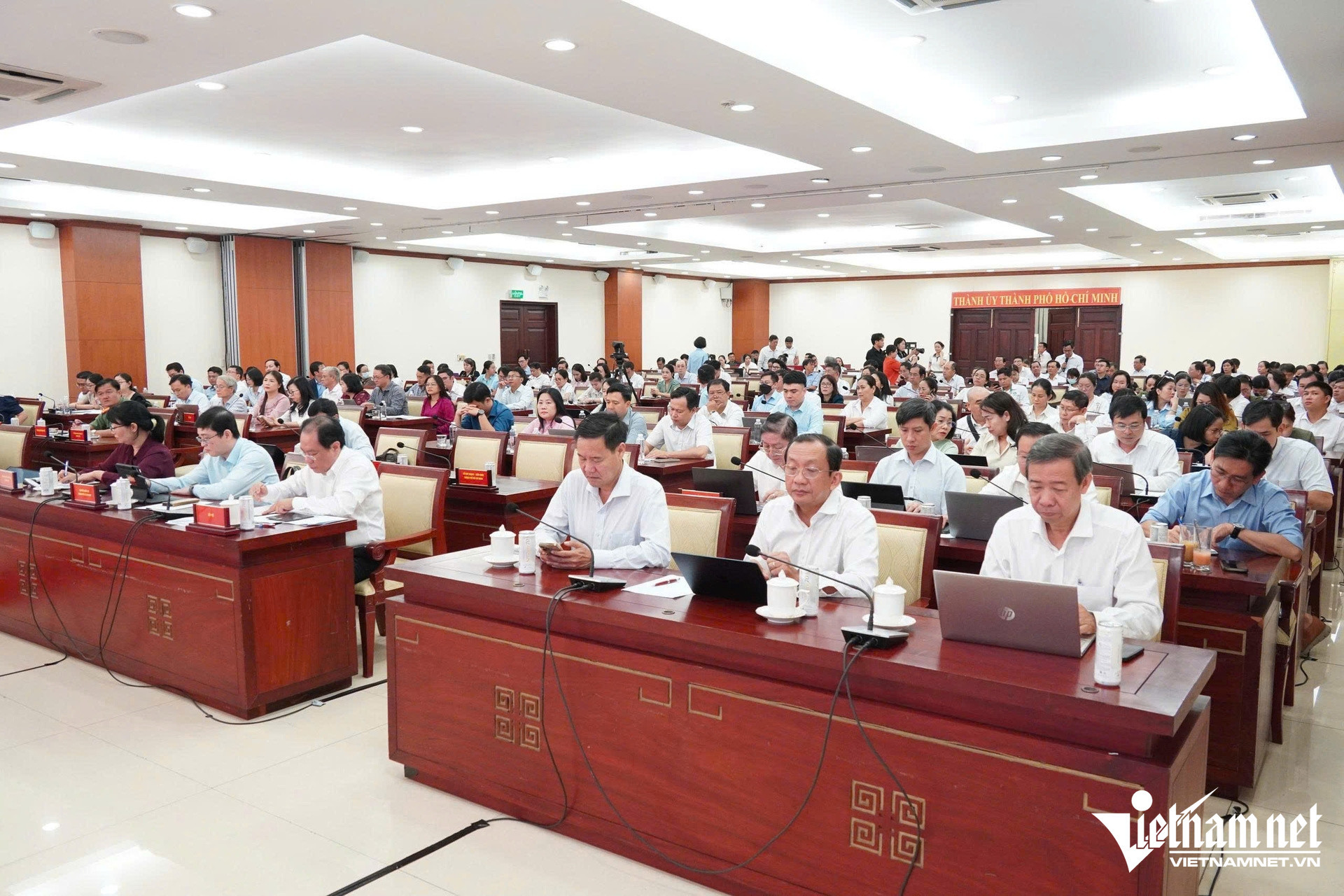
An overview of the meeting with voters on healthcare issues on November 25. Photo: Phuoc Sang
Regarding hospital finances, voters called for improvements to financial autonomy mechanisms, medical service fees that fully reflect actual costs, and the settlement of outstanding health insurance reimbursements.
The Department of Health said current standard medical service fees incorporate only three of the four cost components: direct expenses, labour and management costs.
The remaining component will be incorporated gradually, taking into account residents’ ability to pay and the financial sustainability of the health insurance fund.
Regarding medical expenses exceeding projected allocations, the Department of Health and Ho Chi Minh City Social Security stressed that expenditure estimates are not the sole grounds for rejecting reimbursement claims.
The two agencies will work with hospitals to review the causes of excess expenditure, classify outstanding claims and settle eligible payments. Issues beyond their authority will be referred to higher-level authorities.
Responding to reports of medicine shortages at local health stations, the Department of Health said it was implementing centralised procurement.
It is also reviewing and issuing standards and usage norms for specialised medical machinery and equipment, providing healthcare facilities with a basis for investing in and purchasing essential equipment.
On digital transformation, voters expressed concerns about potential leaks of medical records, laboratory test results and personal information.
The Department of Health said it would introduce role-based access controls, monitor and trace data access activities, and strengthen security measures and inspections.
Phuoc Sang

