 Vietnamnet.vn

 Podcast


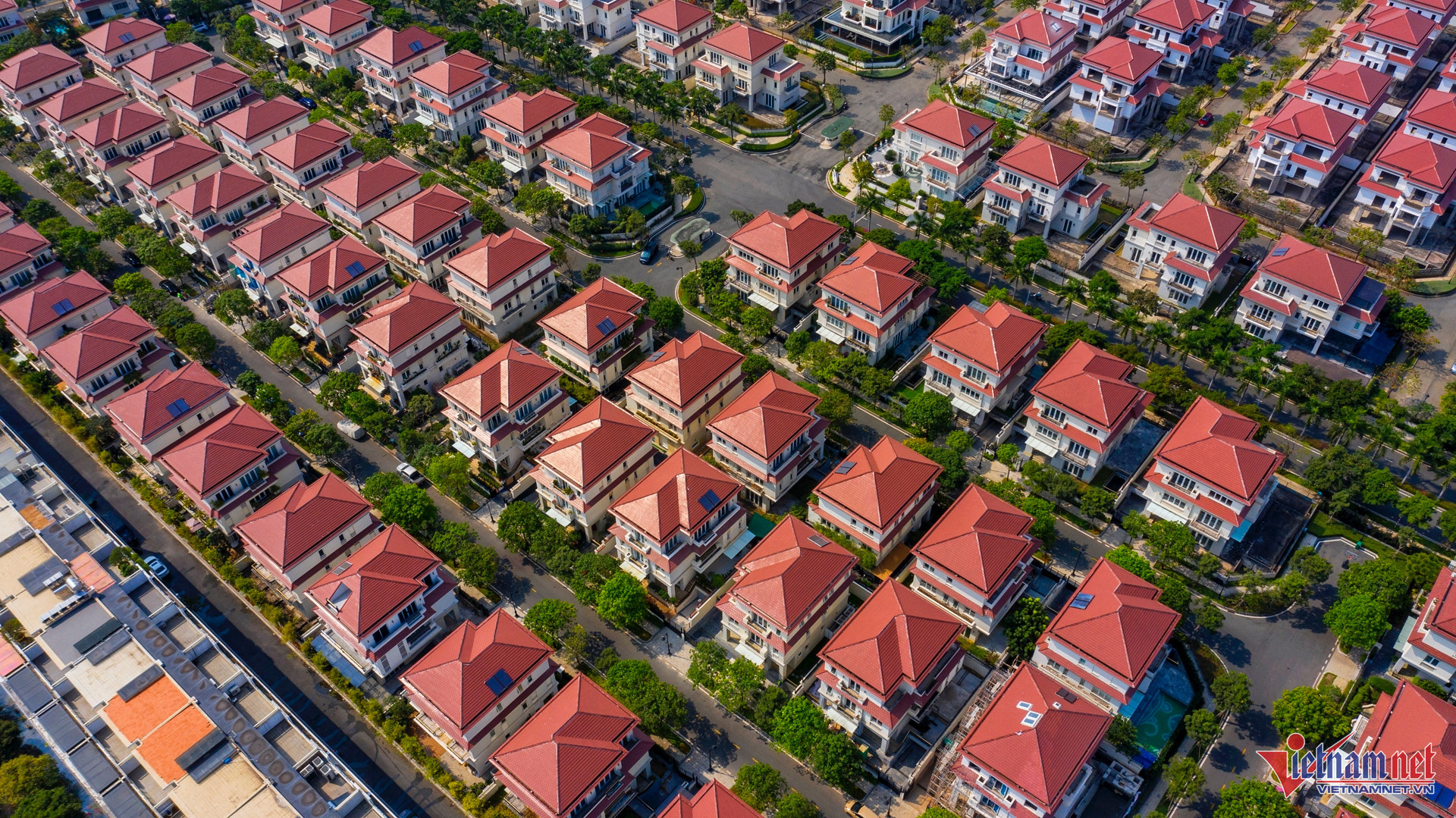
The landed property market in HCMC during Q3/2026 recorded polarization in asking prices and purchasing power across different sectors, prioritizing location, financial capacity, and long-term utility value.
Information about the launch of 20 townhouses and villas in the next phase of a nearly 160-hectare urban area in Long Phuoc Ward (former District 9) in HCMC is attracting significant attention from investors. The interest stems from an asking price deemed relatively soft by the developer, projected to start at VND6 billion for a unit with a land area from 100m2.
According to brokers, the asking price faces almost no local competition. However, introducing a limited inventory basket priced lower than previously sold units within the same project may generate a sense of artificial scarcity, driving clients to purchase at a markup and injecting excitement into the market.
According to CBRE Vietnam, newly launched landed housing supply in pre-merger HCMC was extremely limited in the third quarter of 2026, with only around 30 units released in the next phase of a project that had already become operational.
CBRE said that amid substantial unsold inventory and weakening absorption, some developers had postponed their launch plans to monitor market developments. This trend helped keep new supply low in the third quarter of 2026.
Regarding prices, CBRE Vietnam reported that primary-market landed housing prices in the former HCMC fell to an average of VND214 million per sqm of land, down 0.6 percent from the previous quarter and 29 percent year-on-year.
According to the firm, the annual decline largely reflected a shift in the composition of supply, as an urban development project that began launching units in the second quarter of 2026 offered prices around 40 percent below the market average.
On the secondary market, landed housing prices in pre-merger HCMC averaged around VND159 million per sqm of land, down 6 percent quarter-on-quarter and 4 percent from the same period in 2025, according to CBRE Vietnam. The trend reflects a slowdown in transactions as buyers become increasingly cautious.
Duong Thuy Dung of CBRE Vietnam said that despite continued improvements in infrastructure and interregional connectivity, the landed housing market remained under pressure from high interest rates and cautious buyer sentiment.
High interest rates weigh on buyers
According to Avison Young Vietnam, landed houses in HCMC remain a high-value asset class for wealth accumulation amid scarce supply. In the third quarter of 2026, primary-market prices remained elevated as rising input costs continued to push up selling prices.
In central areas and the eastern part of the city, including what was formerly Thu Duc City, townhouses and villas typically sold for between VND208 million and VND377 million per sqm. In the southwestern area, including the former Binh Chanh District, prices ranged from VND88 million to VND109 million per sqm. Areas anticipating infrastructure development, such as Can Gio and Nha Be, recorded prices of around VND117 million to VND187 million per sqm.
On the primary market, the average absorption rate was about 27 percent, according to the market research firm.
A representative of Avison Young Vietnam said mortgage lending rates remained high at around 12-15 percent per year, making buyers reliant on loans more cautious and significantly reducing short-term speculative trading. The market is now attracting mainly buyers with available cash who want to accumulate assets over the long term.
On the secondary market, the firm said many buyers who had relied heavily on financial leverage were beginning to face repayment pressure as their interest-rate support periods expired, forcing them to accept price reductions of 5-10 percent.
Vo Hong Thang, deputy general director in charge of DKRA Consulting and investment director of DKRA Group, said townhouse and villa supply in HCMC and surrounding areas in the third quarter of 2026 came mainly from projects launched in previous periods.
Compared with the previous quarter, primary-market supply edged down. Demand remained weak, with sales falling 27 percent to the equivalent of 7 percent of total primary supply. Transactions were concentrated mainly in properties priced below VND10 billion per unit.
Thang said that following the merger, HCMC continued to lead the landed housing market, accounting for 52 percent of supply and 89 percent of primary-market sales. Primary-market prices changed little and remained elevated, while secondary-market prices fell by an average of 13 percent quarter-on-quarter amid pressure from interest rates and financial leverage. There are no signs of a short-term recovery in market liquidity.
Anh Phuong

