 Vietnamnet.vn

 Podcast



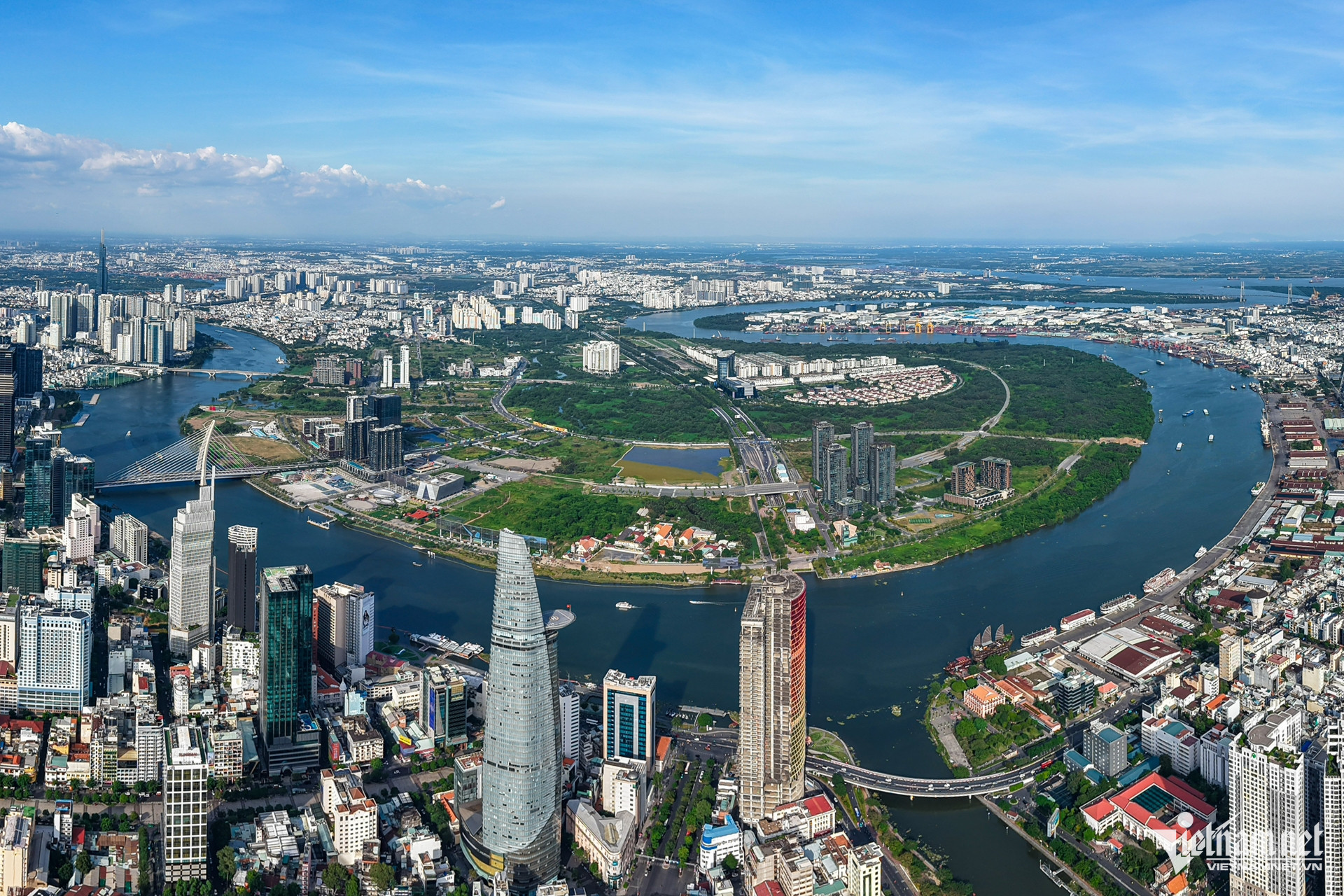
Speaking with VietNamNet on December 8, Du Phuoc Tan, former head of the urban management research department at the HCMC Institute for Development Studies, analyzed the breakthrough elements in the draft resolution that will replace resolution 98/2023 on piloting special mechanisms for HCMC, currently being submitted to the National Assembly.
The most notable point is the expanded list of priority projects aimed at attracting strategic investors, especially those that “unlock” capital flows into two sectors that are desperately short of resources: environment and social welfare.
The draft resolution proposes supplementing clause 1, article 7 of resolution 98 related to the 11 priority project groups to attract strategic investors. The focus is on the environment and social welfare. How should this targeted but expanded approach be assessed?
First of all, as someone who contributed opinions to the draft, I fully agree with this policy direction. Expanding the priority list to include environmental treatment and social welfare projects is not only necessary but urgent in the current context.
We must recognize the reality that, after mergers and expansion of space, HCMC is transforming into a megacity with enormous potential. To seize the "golden opportunity" over the next five years and successfully implement the breakthrough goals according to the Politburo's Resolution 24 and Resolution 31, the city has to solve two difficult problems.
The first is how to mobilize enormous capital. The second is how to minimize the investment time to quickly put strategic projects into operation. Only a special mechanism to attract strategic investors, or "eagles" as we call them, can help the city solve both problems simultaneously.
Besides the capital needs, is the pressure from the green development trend also a reason why we must give special priority to the environment right now?
HCMC, in particular, is an economic locomotive but also a source of very large emissions. Prioritizing the "red carpet" for environmental projects, green transition, and ensuring social welfare is a mandatory step for developing a sustainable green economy.
Without mechanisms to attract strategic investors into these essential projects, it would be very difficult to quickly resolve long-standing issues related to pollution and quality of life.
Which "addresses" in the environmental and social welfare sectors are awaiting strategic investors?
The list of proposed projects is very specific and all are infrastructure "bottlenecks" that the state budget can hardly fully cover.
Six key project groups can be mentioned. First are clean energy and waste treatment projects. Next is the complex, years-long problem of projects to renovate and relocate houses on and along rivers and canals, with a capital scale of VND6 trillion or more.
In addition, there are investment complex projects requiring capital of VND2 trillion or more, including green parks, parking lots, clean energy infrastructure, public restrooms, waste-to-energy plant projects, and especially the projects to treat and convert the function of closed garbage landfills into economic-social development zones requiring capital of VND10 trillion or more. Finally, urban waste collection and wastewater treatment systems with a capital scale of VND3 trillion or more.
These are all large-scale investment items; and if done well, they will have a direct and positive impact on the people's lives and the urban landscape.
To attract investors of sufficient caliber for these multi-trillion VND projects, procedural "barriers" must certainly be considered for removal. In your opinion, are the amendments to the conditions in this draft sufficient?
I highly appreciate the innovative thinking in this draft. We have removed the previous rigid regulations on charter capital, total assets, or similar investment experience. Instead, the most important criterion is actual financial capacity, demonstrated through the ratio of equity contributing to the project.
Investors only need to ensure a minimum equity capital of 20 percent for projects under VND30 trillion and 15 percent for projects of VND30 trillion or more. This approach is more substantive, more transparent, and maximizes convenience for investors with genuine potential.
The incentive mechanism is designed to be very attractive. Strategic investors will enjoy a corporate income tax rate of 10 percent throughout the project implementation period.
Regarding cash flow, the disbursement period is also relaxed to be more flexible. For "super large" projects of VND100 trillion or more, investors are not bound by a 5-year limit as before, but can disburse a minimum of VND50 trillion in the first 10 years and extend for a maximum of no more than 20 years. This helps investors proactively balance resources for long-term projects.
Quoc Ngoc
.svg)
