 Vietnamnet.vn

 Podcast



From ‘zero-fare’ to the ambition of saving the city
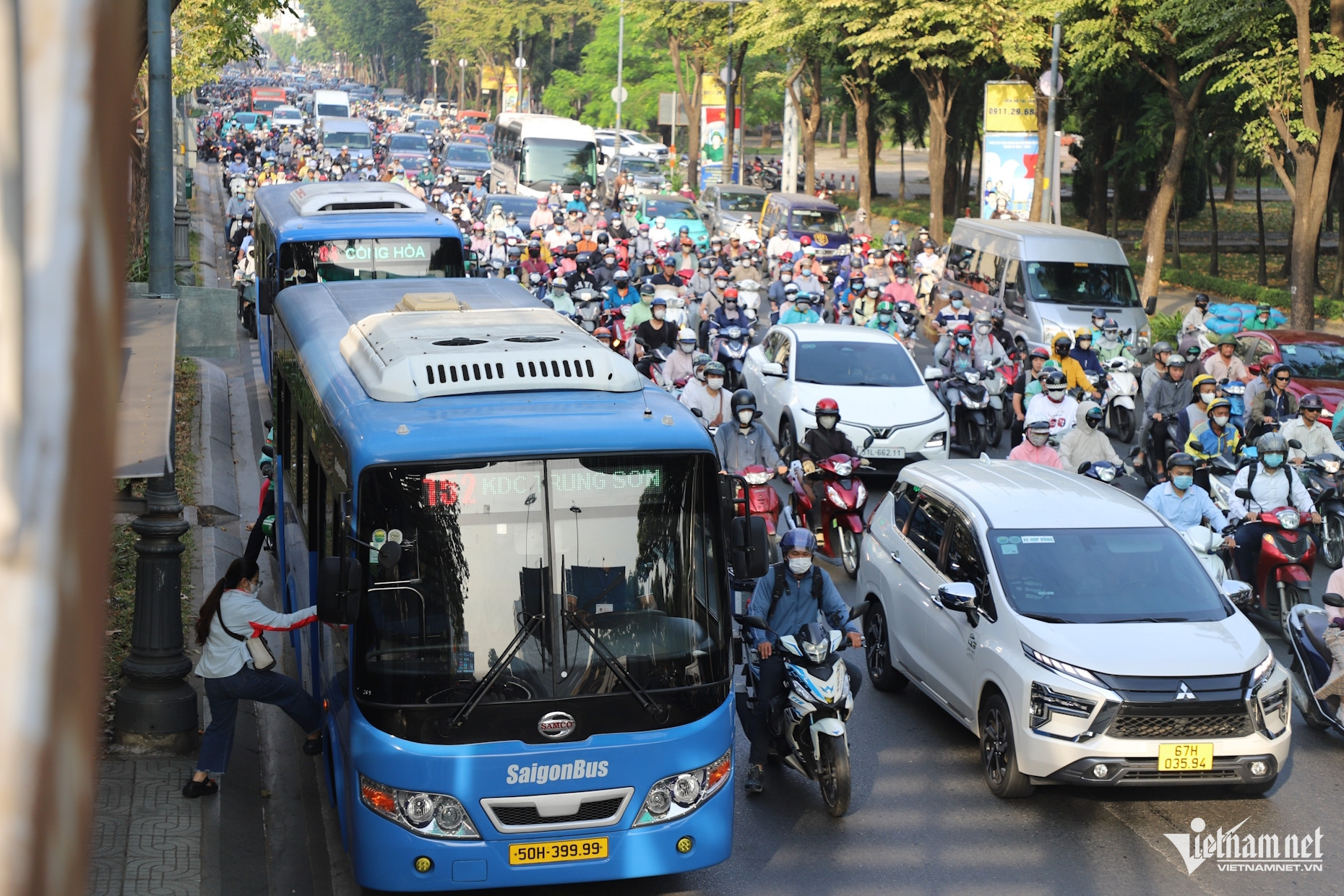
For years, traffic congestion and pollution have been persistent headaches for HCMC residents. On roads like Cong Hoa and Truong Chinh, streams of motorbikes inch forward in suffocating, dust-filled air.
After years of enduring a 15km commute, Thao Quyen (from Ba Diem commune) admits she has grown exhausted on her motorbike, the arduous means of livelihood for her and millions of other city residents.
News that the city is accelerating a plan to provide free bus rides for all, backed by an annual budget of VND7,000 billion, feels like a breath of fresh air.
For Quyen and many workers, a zero-fare ticket is not just about saving money, but about escaping heat and pollution, and enjoying more comfortable daily travel.
According to Bui Hoa An, Deputy Director of the HCMC Department of Construction, this is a major political determination.
"With a directive from the City Party Secretary; the Department of Construction is currently coordinating with departments and agencies to build specific policies on free bus rides to submit to the People's Council for approval at a meeting expected at the end of April 2026," An informed.
According to the department, if approved, the bus system will transform from a "people pay" mechanism to "the budget pays directly to enterprises."
Phan Le Binh, a transport expert, described the move as a “decisive policy.” Amid rising fuel prices and living costs, free fares could strongly push people to reconsider traveling by motorbike versus public transport.
Le Trung Tinh, chair of the HCMC Passenger Transport Association, agreed that the policy could create entirely new travel habits and help buses regain their role as the backbone of urban transport.
The key lies beyond free fares
While supporting the city’s plan on free bus rides, experts stress that ticket prices are not the deciding factor in retaining passengers.
According to Phan Le Binh, bus fares are already relatively low, and what truly discourages users is long travel time and inconvenience, especially walking at both ends of the journey.
To shift people from private vehicles to public transport, buses must be prioritized in traffic organization, not just made free. Infrastructure remains critical, particularly dedicated lanes. Currently, buses in HCMC still struggle amid mixed traffic, losing their competitive edge in travel time.
Another major concern is funding. With an estimated VND7,000 billion per year, the full operational cost would fall on the city budget rather than users.
Drawing from Japan’s experience, Phan Le Binh noted: “Bus systems there operate on market principles, not free of charge, forcing operators to improve service quality. Free fares should only be a short-term measure. Once public transport becomes habitual, cities should return to reasonable pricing.”
Tinh warned that the policy could deliver only temporary effects without sustainability. While ridership may surge by 100–300 percent initially, it could soon decline if infrastructure is not upgraded.
“If service quality does not improve, people will quickly return to private vehicles,” he said.
To ensure feasibility and ease budget pressure, experts recommend a cautious roadmap rather than an immediate universal rollout. The city should first pilot free services on major routes and prioritize high-demand groups such as students and workers.
Ultimately, success depends not just on free fares but on comprehensive upgrades, from dedicated lanes to electrifying the fleet, creating a sustainable public transport ecosystem.
A major commitment from HCMC
At the fifth HCMC Party Committee conference, Party Secretary Tran Luu Quang confirmed that leaders have agreed in principle to provide free bus services for all residents, with an estimated annual budget of VND7,000 billion.
The city currently operates 1,780 buses, including 600 electric ones, and is accelerating its transition toward a green transport ecosystem, aiming for a more sustainable urban future.
HCMC launched 25 more electric bus routes from March 1, 2026, boosting the share of green vehicles in public transport and moving toward a modern, eco-friendly urban model.
Ho Van
.svg)
