 Vietnamnet.vn

 Podcast



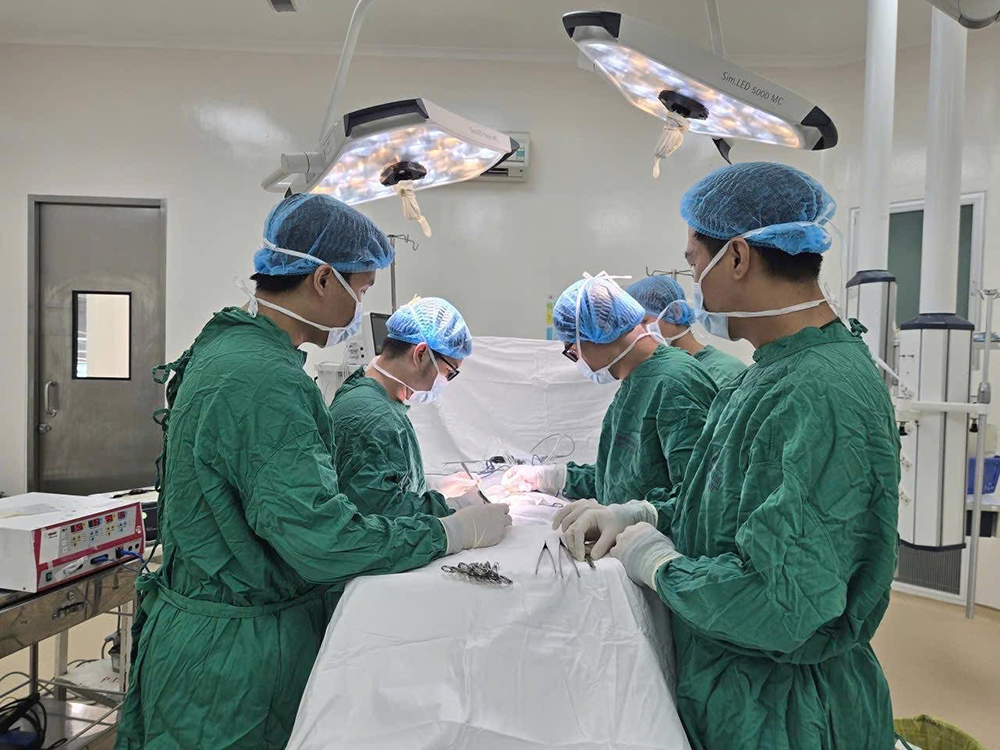
The city aims to make healthcare a strategic breakthrough sector in economic and service development, with smart, specialized healthcare infrastructure playing a central role.
As part of a new super urban area that includes Ho Chi Minh City, Binh Duong, and Ba Ria–Vung Tau, the city plans to gradually improve quality of life and public services - especially healthcare - to new heights.
Healthcare is identified as one of the strategic breakthroughs for strengthening the protection and improvement of public health, alongside scientific and technological innovation, private sector development, education, and national defense.
The draft emphasizes mobilizing all available resources to harness technological innovation and digital transformation for fast and sustainable socioeconomic development. This includes completing digital medical records and infrastructure, with the goal of ensuring 100 percent of the population undergoes periodic health checkups.
Doctors will have immediate access to complete medical histories to make timely and accurate diagnoses. Community health management will be enhanced by big data analytics, which will help predict and control disease outbreaks. These improvements also support the expansion of remote healthcare services, which are especially critical in a sprawling megacity.
In addition, Ho Chi Minh City plans to accelerate the adoption of advanced medical technologies such as robotic surgery and other high-tech solutions, ensuring that local healthcare services are among the first to apply new global medical innovations.
The city has set several challenging targets for 2030, including 35.1 hospital beds per 10,000 people, 21 doctors per 10,000 people, and 35 nurses per 10,000 people.
Looking ahead to 2045, Ho Chi Minh City aims to be among the 100 best cities in the world and a global destination in economy, finance, healthcare, education, and tourism, offering a high quality of life with deep international integration.
To realize this vision, the city will focus on breakthroughs in digital transformation, professional capacity, and biomedical industries. It also aims to build a sustainable social development model with strong social justice and welfare systems.
Leadership will take bold and innovative steps to protect and enhance public health, with plans to create a comprehensive healthcare program and a sustainable population growth strategy. This includes policies to adapt to an aging population and develop a full range of elderly care services.
The city will strengthen its healthcare system, especially in preventive care and grassroots health facilities, while professionalizing its emergency response network. It aims to build a modern, high-tech healthcare system in line with international standards and to establish centers of specialized medicine to become a regional healthcare hub in Southeast Asia.
There will also be a strong focus on medical ethics and developing a skilled, high-quality workforce that meets international expectations. Special incentive policies will support medical personnel from training to career development.
The private healthcare sector will be encouraged to grow, and the city will mobilize all resources to improve healthcare services. It will push scientific research, digital healthcare transformation, and comprehensive health finance reform to ensure sustainability and expand health insurance coverage.
Ho Chi Minh City also plans to build a multi-tiered social security system covering the entire population, based on the principle of shared responsibility between the government and citizens.
In parallel, policies will be implemented to support people with meritorious service, ensuring their living standards are at least above average in their communities. Efforts will also be made to sustainably reduce poverty, promote gender equality, and protect and educate children.
Minh Khoi
.svg)
