 Vietnamnet.vn

 Podcast



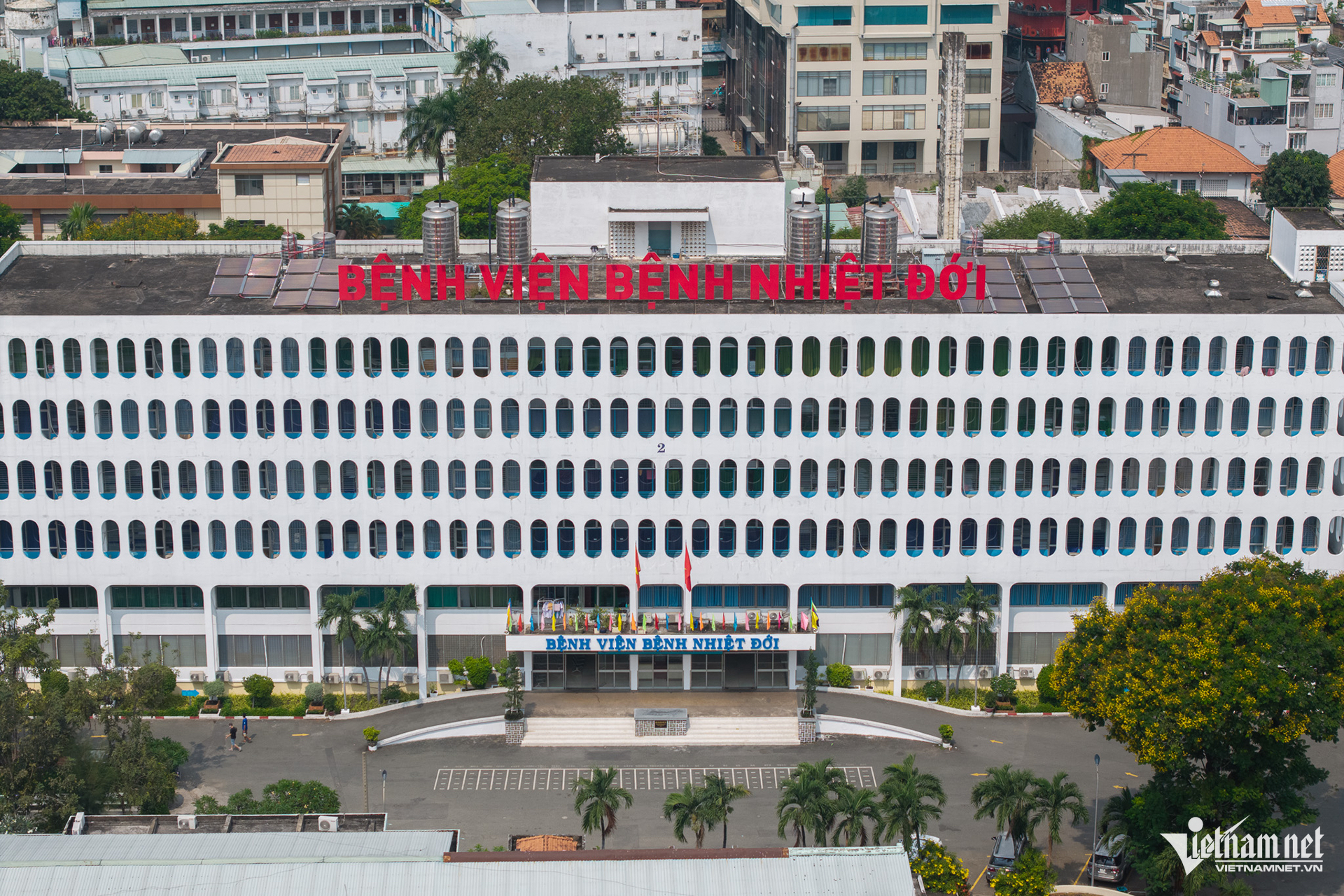
On the afternoon of May 21, the city’s Department of Health issued an urgent directive to all medical facilities, calling for heightened vigilance and the immediate activation of emergency response plans against the risk of Ebola entering Vietnam through airports, seaports and international border gates.
Under the directive, the Ho Chi Minh City Center for Disease Control (HCDC) has been tasked with strengthening quarantine operations at all entry points and coordinating closely with aviation authorities, maritime agencies, port operators and border police to quickly detect travelers showing suspicious symptoms or those who have recently visited outbreak areas.
HCDC is also responsible for launching public communication campaigns, particularly targeting people returning from affected regions.
According to health recommendations, returnees should monitor their health for 21 days, limit contact with others if unusual symptoms appear, and proactively contact the nearest medical facility for timely assistance.
The Department of Health assigned the Ho Chi Minh City Hospital for Tropical Diseases as the city’s central coordinating facility, responsible for receiving, isolating, testing and treating all suspected Ebola cases referred from other healthcare institutions.
Medical facilities are prohibited from transferring, discharging or allowing suspected Ebola patients to leave without professional approval from HCDC and the Department of Health.
All suspected cases must undergo consultation with the Hospital for Tropical Diseases before transportation.
Both public and private hospitals have been instructed to urgently review and activate screening, triage and temporary isolation procedures, prioritizing patients with a travel history linked to outbreak areas within 21 days before symptom onset.
Temporary isolation areas must be arranged within outpatient or emergency departments to ensure suspected patients do not come into contact with other patients, relatives or healthcare workers lacking adequate protective equipment.
Emergency Center 115 has also been ordered to review all safe transportation procedures, including dedicated ambulances, staffing, protective gear and vehicle disinfection protocols after each transport.
Regional medical centers and local commune and ward health stations have been assigned to strengthen community surveillance, focusing on workers, experts, sailors and international travelers with epidemiological links to outbreak areas.
If suspected cases are identified, on-site response procedures must be implemented immediately, including mask guidance, contact restriction, temporary isolation and immediate reporting to HCDC.
Earlier, on May 17, the World Health Organization (WHO) declared the outbreak of the Bundibugyo strain of Ebola virus disease in the Democratic Republic of Congo and Uganda a Public Health Emergency of International Concern.
Although WHO has not recommended trade or travel restrictions due to insufficient scientific grounds and concerns over negative socio-economic impacts, Ho Chi Minh City’s Department of Health has instructed preventive health units not to become complacent under any circumstances.
Phuoc Sang
.svg)
