 Vietnamnet.vn

 Podcast



The proposal was outlined by Truong Minh Huy Vu, vice chairman of the Ho Chi Minh City People's Committee, at the Applied AI Lab Demo Day 2026 on October 8, where technology leaders and researchers discussed how Vietnam could develop globally competitive artificial intelligence products.
At the event, Vu and VNG Chairman Le Hong Minh used two related metaphors to describe their roles in developing Vietnam's AI ecosystem. While Minh likened his company to a gardener nurturing promising ideas, Vu said the city's responsibility was to prepare the soil in which those ideas could grow.
The event marked the conclusion of the first phase of Saigon AI Hub, Ho Chi Minh City's first open AI research space, designed to provide comprehensive support for lecturers, students, young experts and researchers in developing, testing and eventually commercializing AI applications.
Ten projects were selected during the initial phase for continued investment and development.
Creating the right environment for AI researchers
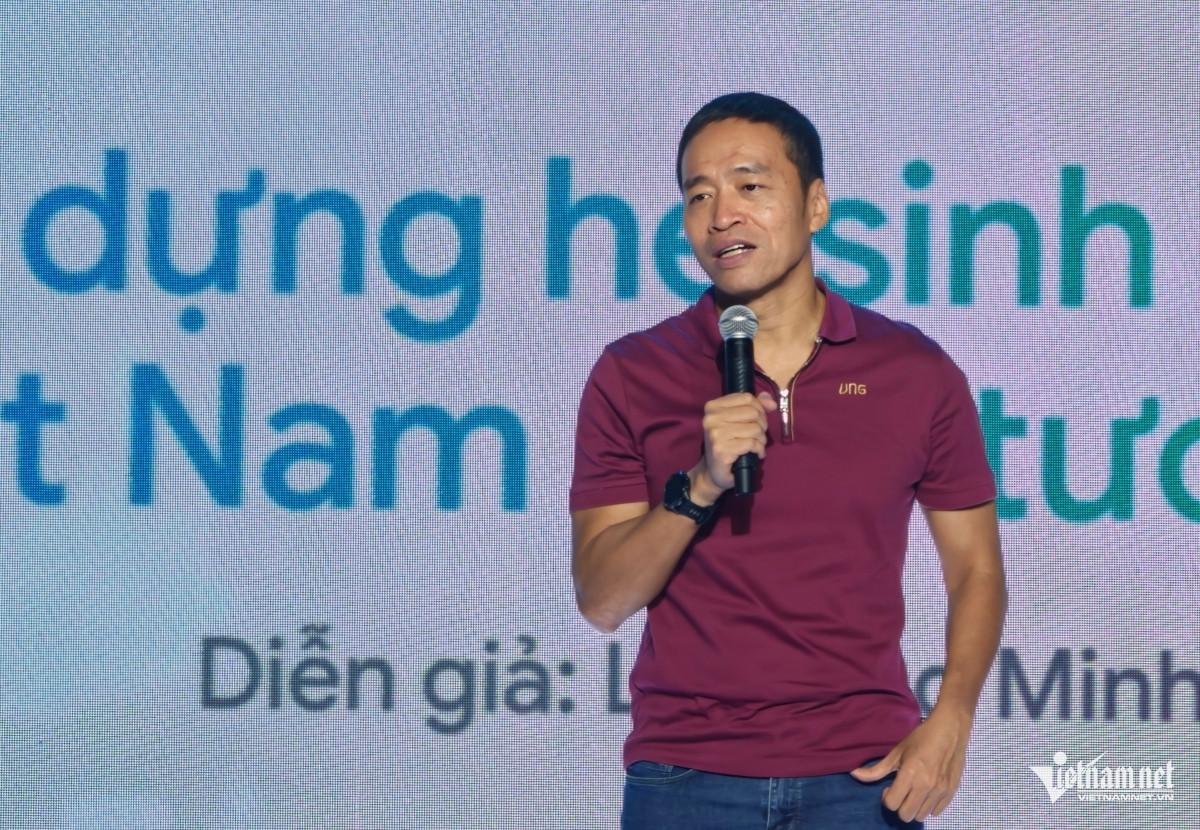
Opening the event, VNG Chairman Le Hong Minh highlighted several obstacles facing AI researchers in Vietnam.
Among the biggest challenges are limited budgets for purchasing graphics processing units (GPUs), lengthy administrative procedures for research approvals and a disconnect between academic research and practical needs.
Some research proposals, he noted, can take as long as two years to secure approval.
"How can we make sure research results are connected to real-world needs? That is the problem Saigon AI Hub was created to address," Minh said.
He described VNG's role as that of a gardener, providing fertile ground where promising seeds can develop under the best possible conditions.
One encouraging development, according to Minh, was feedback from Google experts working with the initiative, who assessed Vietnam's AI research capabilities as being fully capable of reaching world-class standards.
That assessment has strengthened VNG's determination to provide researchers with the right environment, meaningful research challenges and the resources needed to achieve their goals.
Saigon AI Hub also plans to continue bringing international experts, including those from Google, into its research activities.
"To become world-class, you have to work with people who are world-class," Minh said.
Marc Woo, managing director of Google Vietnam, echoed the gardening analogy, describing Google as another partner helping cultivate Vietnam's AI talent.
Woo said he was impressed by the results of the program's first phase, which brought together 10 teams and 50 researchers developing AI solutions with the potential for commercialization in Vietnam and international markets.
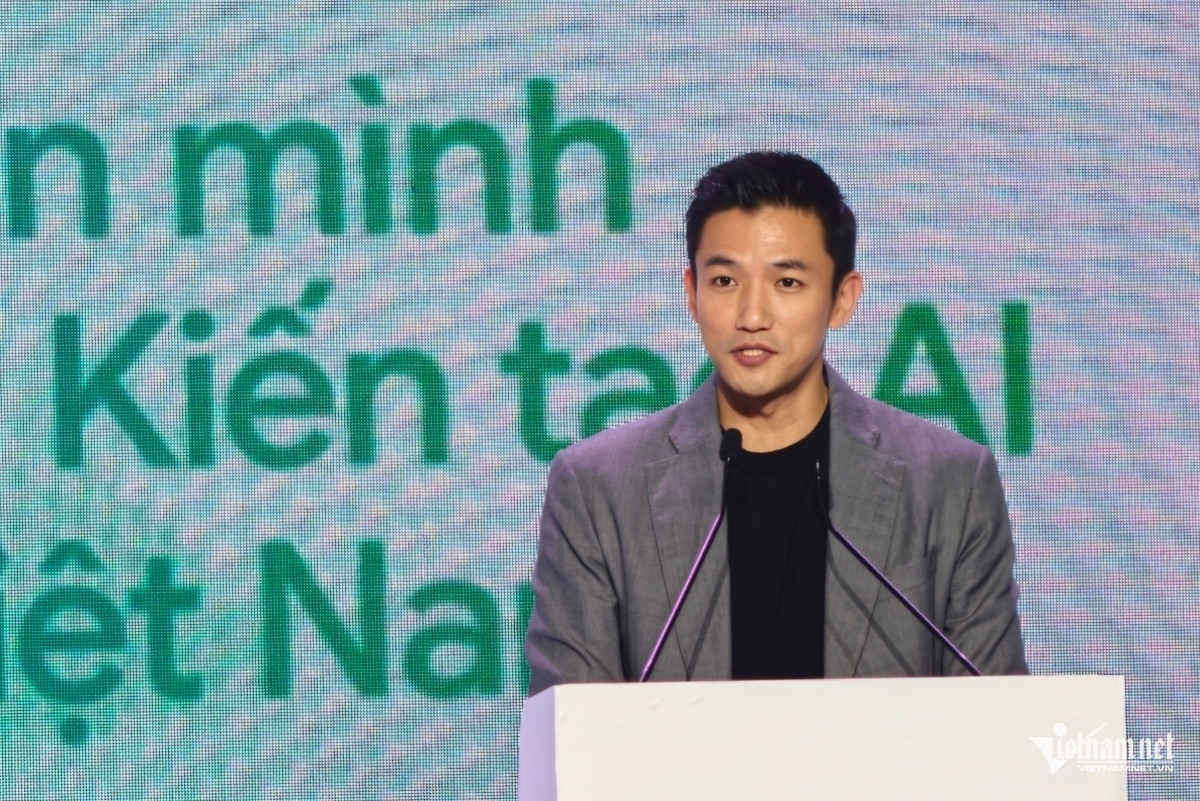
Among the projects were an AI model designed to detect colorectal cancer at an early stage, a system combining speech and text to analyze different Vietnamese accents, and technology capable of detecting deepfakes to help strengthen public trust in digital information.
Woo emphasized that Vietnam's greatest asset has always been its people. With the right resources, he said, Vietnamese researchers are capable of producing work that meets international standards.
He called on business leaders, academics and enterprises to join efforts to develop the country's AI ecosystem.
Google also reaffirmed its commitment to supporting Vietnam's National AI Strategy through 2030, with a vision toward 2045, which identifies AI adoption as a core priority.
Its support will particularly focus on AI education and implementation programs for Vietnam's workforce, schoolchildren and university students.
Ho Chi Minh City seeks AI solutions to real-world problems
While Minh and Woo described themselves as gardeners, Vice Chairman Truong Minh Huy Vu said Ho Chi Minh City saw itself as responsible for preparing the soil.
He expressed hope that the 10 projects selected during Saigon AI Hub's first phase would move beyond research, develop practical applications and eventually grow into technology companies.
Vu also said he hoped the city would attract more entrepreneurs like Le Hong Minh and encouraged both Google and VNG to continue supporting the 10 research teams.
Looking ahead, he suggested that Saigon AI Hub should focus on research challenges arising directly from everyday life, with solutions that could extend beyond administrative boundaries and reach international markets.
Ho Chi Minh City itself has a number of problems that AI researchers could help address.
One involves the development of centralized data systems, including databases related to land and taxation.
Another concerns public transportation. As the city works toward introducing free bus travel and improving passenger services, it faces new questions about accessibility and user experience, including how technology could better support passengers with disabilities.
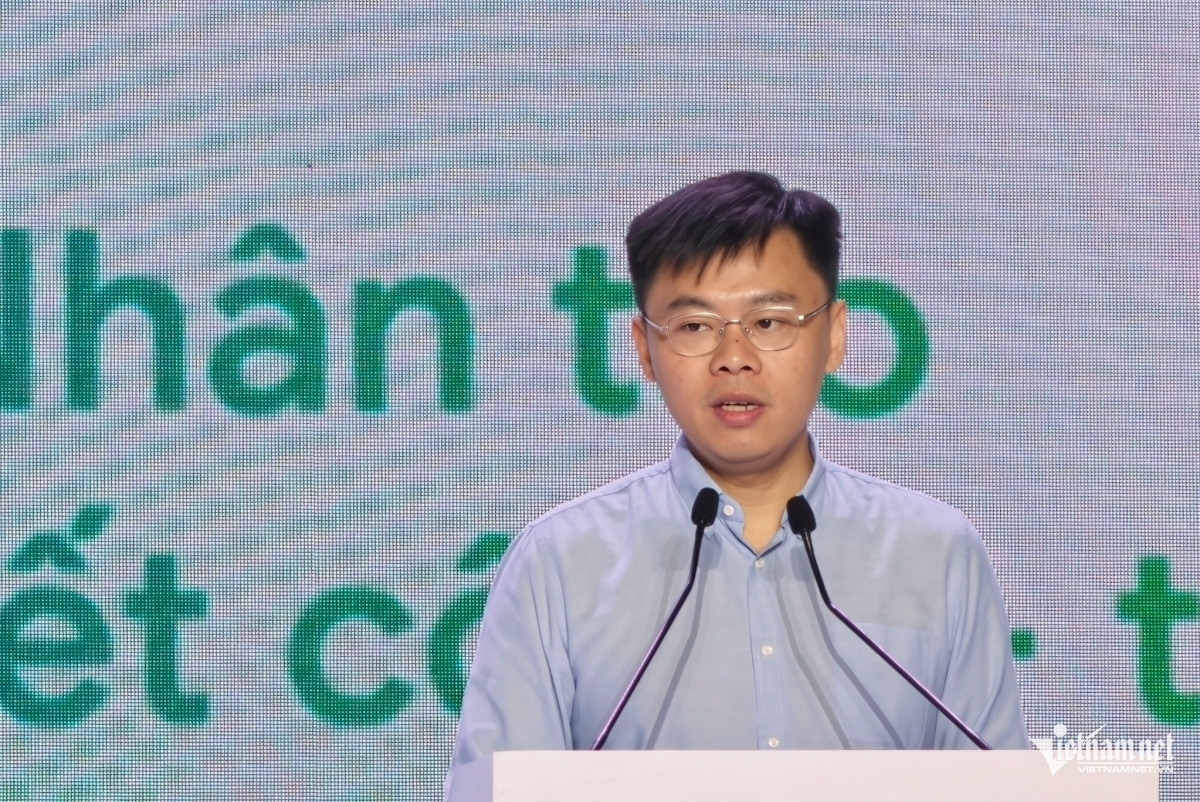
According to Vu, such challenges offer opportunities to apply AI to data-driven solutions that benefit not only public agencies but also private businesses and society more broadly.
On the technology infrastructure front, Vu said the city's High-Tech Park was submitting proposals to develop AI data centers, some of which would work directly with AI research teams.
The objective is to provide researchers with the infrastructure and resources needed to turn innovative ideas into practical products.
City considers matching private investment in AI startups
Access to capital is another priority as Ho Chi Minh City looks to strengthen its venture capital ecosystem and support emerging technology companies.
Vu said the city had put forward a one-to-one co-investment proposal under which public funding would match the capital committed by private venture capital funds.
Under the proposed arrangement, for every dollar invested by a venture capital fund, the city would contribute an equivalent amount.
The public investment could potentially be lost, Vu acknowledged, but the broader objective would be to encourage the development of products capable of solving practical problems facing Ho Chi Minh City.
The approach reflects the city's willingness to share investment risks with private investors in pursuit of technological innovation.
Vu emphasized that creating a successful AI ecosystem requires more than identifying talented researchers or promising projects.
"A garden needs more than good seeds. It also needs fertile soil, a favorable environment and the right people to help it grow," he said. "Ho Chi Minh City is a place where talent and resources can come together to develop key industries, including artificial intelligence."
Le My
.svg)
