 Vietnamnet.vn

 Podcast



The upcoming citywide cultural heritage conference organized by the Department of Culture and Sports of Ho Chi Minh City will take place on the morning of November 24 at the Ton Duc Thang Museum.
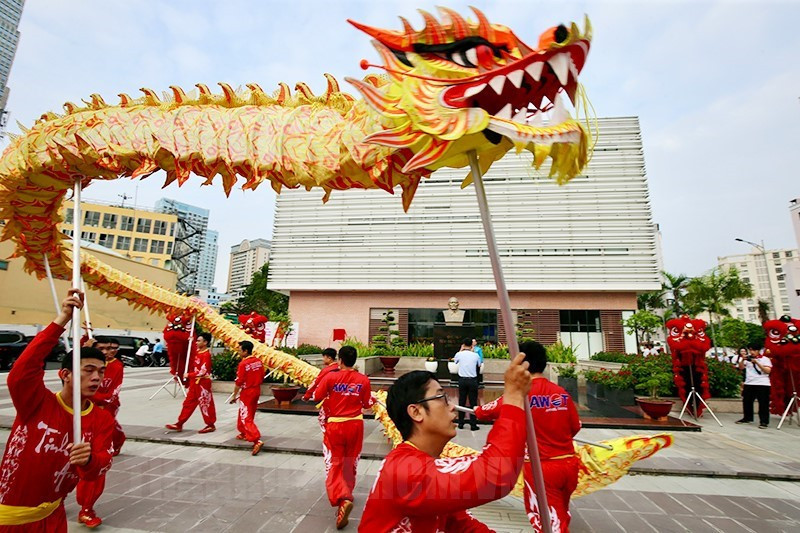
This important event is part of the city's implementation of the cultural development goals set forth in the Resolution of the 1st Congress of the Ho Chi Minh City Party Committee, term 2025–2030.
The overarching objective is to build an advanced culture imbued with national identity, and to shape the HCMC citizen as one defined by “virtue – kindness – beauty.”
The resolution also emphasizes constructing a value system and human standards rooted in the “Ho Chi Minh cultural space,” completing the network of cultural institutions from the city to local levels, and intensifying investment in both tangible and intangible heritage preservation.
According to Nguyen Minh Nhut, Deputy Director of the Department of Culture and Sports, the realization of this vision aligns with the enactment of the 2024 Law on Cultural Heritage, which came into effect on July 1. The law provides a comprehensive legal framework for heritage management, protection, and utilization in the context of deep integration and digital transformation.
In recent years, Ho Chi Minh City has proactively implemented several key government-approved programs, including the 2021–2025 Program for Sustainable Preservation and Promotion of Heritage Values and the 2021–2030 Program for Digitizing Vietnam’s Cultural Heritage.
Most recently, on September 23, the Ministry of Culture, Sports and Tourism issued Decision No. 3399/QĐ-BVHTTDL, approving a new National Target Program for Cultural Development for 2025–2035. This policy framework is expected to mobilize additional resources for the heritage sector.
Despite many achievements, challenges remain in heritage preservation and promotion due to limitations in mechanisms, resources, and management models - especially amid rapid urbanization.
“This upcoming conference serves as a forum to review and update new legal regulations; analyze practical challenges in managing museums, monuments, documentary heritage, and intangible heritage; and share experiences and models to resolve long-standing issues,” Nhut emphasized.
The highlight of the conference will be the identification of goals, key tasks, and strategic solution groups for the 2026–2030 period, with a vision extending to 2045.
This will serve as a critical foundation for Ho Chi Minh City’s cultural heritage sector to evolve in a sustainable, globally integrated direction - deeply rooted in the everyday life of a dynamic, creative urban society.
To date, the organizers have received over 40 papers and presentations from officials, experts, scholars, and specialized institutions.
Quoc Ngoc
.svg)
