 Vietnamnet.vn

 Podcast



At a roundtable titled “A safe Tet – no worries about deepfakes”, co-hosted by the National Cybersecurity Association and TikTok Vietnam on January 29 in Hanoi, experts from the Ministry of Public Security issued strong warnings about rising online threats.
AI becomes a tool for deception
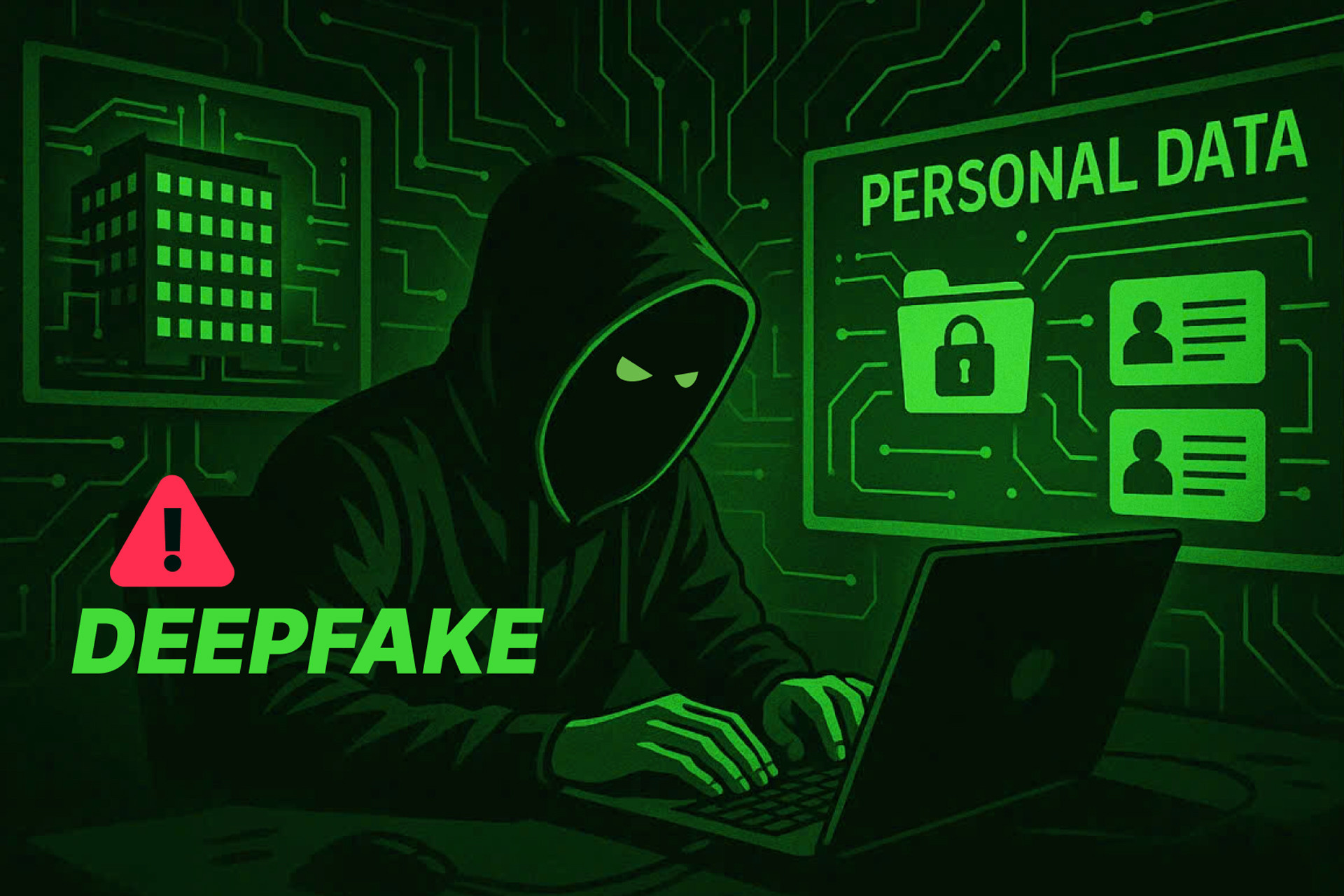
Vu Duy Hien, Deputy Secretary-General and Chief of Office of the NCA, noted that 2025 saw a surge in online scams using AI, deepfakes, and identity fraud. These technologies are now being used to impersonate individuals, organizations, and businesses - especially during peak shopping and travel seasons.
“Criminals have become increasingly sophisticated, leveraging artificial intelligence to script and execute fraud with frightening precision,” he said.
Four major online scams to watch for this Tet
Lieutenant Colonel Le Thanh Binh from the Department of Cybersecurity and High-Tech Crime Prevention (A05) outlined four key tactics cybercriminals are expected to use over the holiday:
1. Fake travel websites and social media pages
Fraudsters create websites, Facebook accounts, or even verified fanpages that mimic reputable homestays, travel agencies, or ticket sellers. These platforms advertise accommodations and transport at attractive or standard rates to lure customers into paying deposits. Once the money is transferred, the scammers vanish.
2. Reselling “discount” tours under false pretenses
Criminals pose as tourists looking to cancel pre-booked tours from legitimate agencies. They post offers to “liquidate” the tours at below-market prices, accompanied by fake invoices, glowing reviews, and photos. Early transactions may go smoothly to build trust, but once a larger sum is transferred, the scammer disappears.
3. Malware via fake booking emails
Scammers impersonate well-known booking platforms and send emails to hospitality providers with subjects like booking confirmations, customer complaints, payment updates, or cancellation requests. These emails contain links or attachments loaded with malware. When opened, they allow the attackers to take control of the device, steal data, monitor activity, or drain bank accounts.
4. Fake gift promotions and online tasks
Impersonating telecom or service companies, criminals offer fake “year-end gift” programs and encourage users to sign up for online tasks in exchange for commissions. Victims are asked to deposit large sums, which they cannot later withdraw unless they pay an additional 20–30% fee - essentially a scam to steal more money.
Fraud evolves with AI and deepfake technologies
Lieutenant Colonel Binh also warned that scammers are combining older tactics with AI advancements to create new threats. One trend is hacking into social media or OTT messaging accounts and using deepfake videos or voice clones (deepvoice) to impersonate friends or family members - convincing victims to lend or transfer money.
He noted that such scams are widespread and have high representation in the country’s cybercrime statistics.
How to protect yourself during Tet
A05 experts urge citizens to stay informed and vigilant throughout the Tet season. Recommendations include:
Following updates and warnings from police, banks, and reputable media
Avoiding installation of unknown apps - especially on devices linked to bank accounts
Never scanning unverified QR codes or clicking suspicious links
Never sharing account info, passwords, or OTP codes with anyone
For travel or holiday services, users should verify providers through official channels and licensed businesses. Suspicious payment requests or abnormal invoices should be cross-checked using multiple tools.
“If you suspect or fall victim to a scam, report it immediately to the nearest police station for timely support and investigation,” the A05 expert advised.
Van Anh
.svg)
