 Vietnamnet.vn

 Podcast



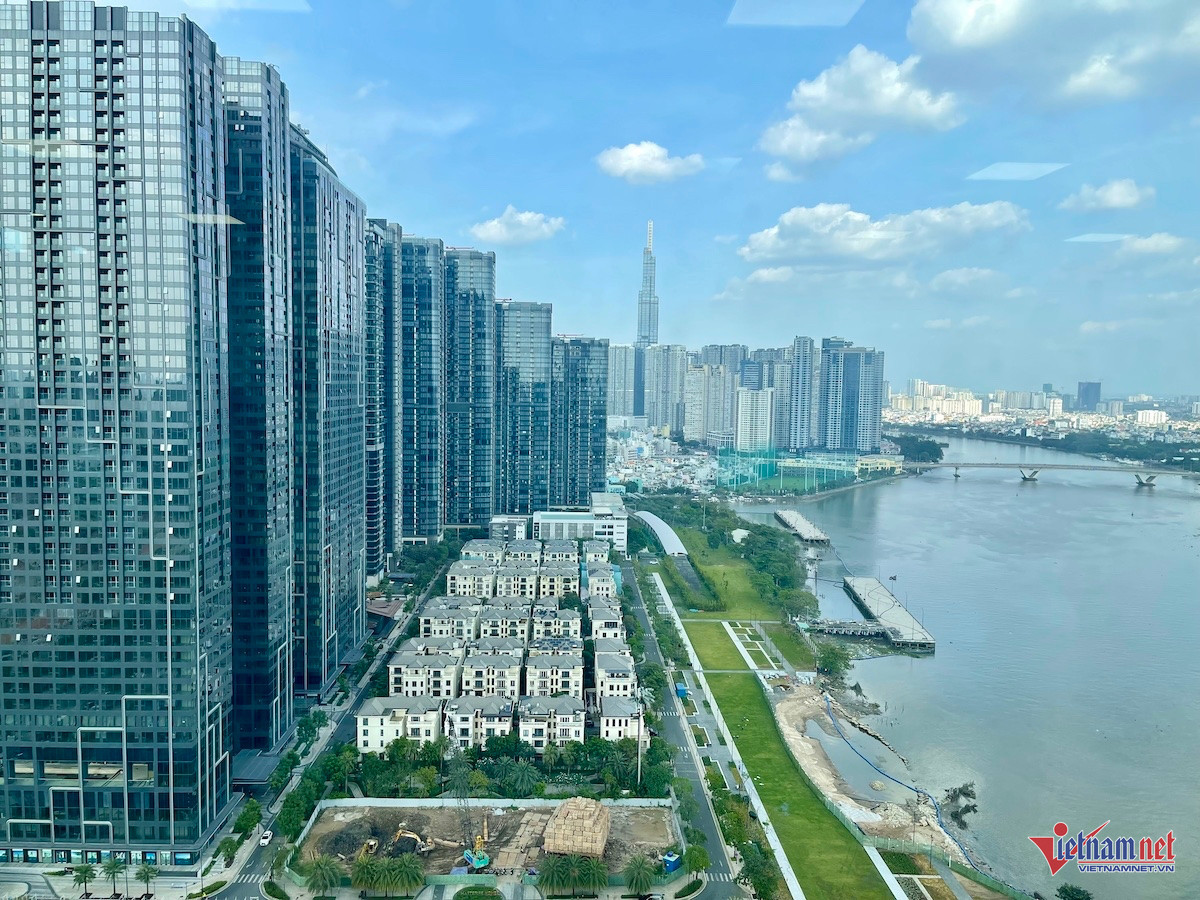
Phuong Linh in Thanh My Tay ward said that she and her husband have VND2 billion after many years of saving, and planned to buy a home early last year. However, as they could not find a suitable location and finances, they repeatedly postponed the plan.
Recently, Linh found a three-bedroom apartment in a condominium in Hiep Binh ward priced at VND4 billion. However, when following procedures to borrow VND2 billion from a bank, they were surprised by the actual loan interest rate.
According to a consultation from a commercial bank in HCMC, the home loan package has a maximum term of 35 years, with a fixed interest rate of 11.8 percent per year during the first two years. After the period, the rate will be floating based on the market.
The floating interest rate is determined based on deposit interest rates at four state-owned commercial banks at the time of application, plus a margin of about 3.5 percent. The actual rate may fluctuate depending on financial market developments in each period.
This means that in the first two years, Linh and her husband must pay nearly 24.5 million VND each month in debt, including both principal and interest. This repayment level creates great pressure on the family budget, exceeding the remaining income after covering essential living expenses.
“The monthly repayment is higher than initially estimated, forcing my husband and me to reconsider our home-buying plan,” Linh shared, adding that the family is continuing to research other financial options before making a final decision.
According to Linh’s calculations, with a floating interest rate of about 13 percent per annum after the incentive period, the amount to be paid could increase to nearly 27 million VND per month.
When consulting another bank, she was advised on a maximum 20-year loan package with a fixed interest rate of 10 percent per annum in the first year and 13.5 percent per annum fixed for the first 18 months. If this package is chosen, the amount to be paid is nearly 31 million VND per month, exceeding the family's repayment capacity.
Financial safety
Independent real estate consultant Le Quoc Kien said that rising home loan interest rates are strongly affecting buyers’ decisions while also putting pressure on loans about to switch to floating rates.
According to Kien, from late 2025 to early 2026, liquidity in the real estate market has shown a clear decline as borrowing costs increase, pushing monthly debt payments of many families beyond safe levels.
In reality, with a loan of about VND2.7 billion, a monthly payment that used to be around VND35 million could increase to about VND42 million when interest rates adjust, exceeding the repayment capacity of many borrowers.
In addition to cost pressure, concerns that interest rates may continue rising and liquidity risks are also making investors more cautious, especially those using financial leverage.
After the preferential period, floating interest rates are currently around 9.5–10 percent per year at state-owned commercial banks and 11.5–14 percent per year at many joint-stock commercial banks. These rates are influenced by developments in the monetary market and the policy of the State Bank of Vietnam.
According to Kien, with a loan of VND3 billion, if interest rates increase by just 3 percentage points, borrowers may have to pay about VND7.5 million more each month, creating significant pressure on household cash flow.
“With a monthly income of VND50 million and living expenses of about VND25 million, monthly debt repayment should be kept below VND20 million to ensure financial safety. Controlling a reasonable borrowing ratio and maintaining financial reserves are key factors in the context of volatile interest rates,” Kien said, adding that young families should carefully calculate living expenses and financial reserves before taking out a home loan.
Hong Khanh
.svg)
