 Vietnamnet.vn

 Podcast



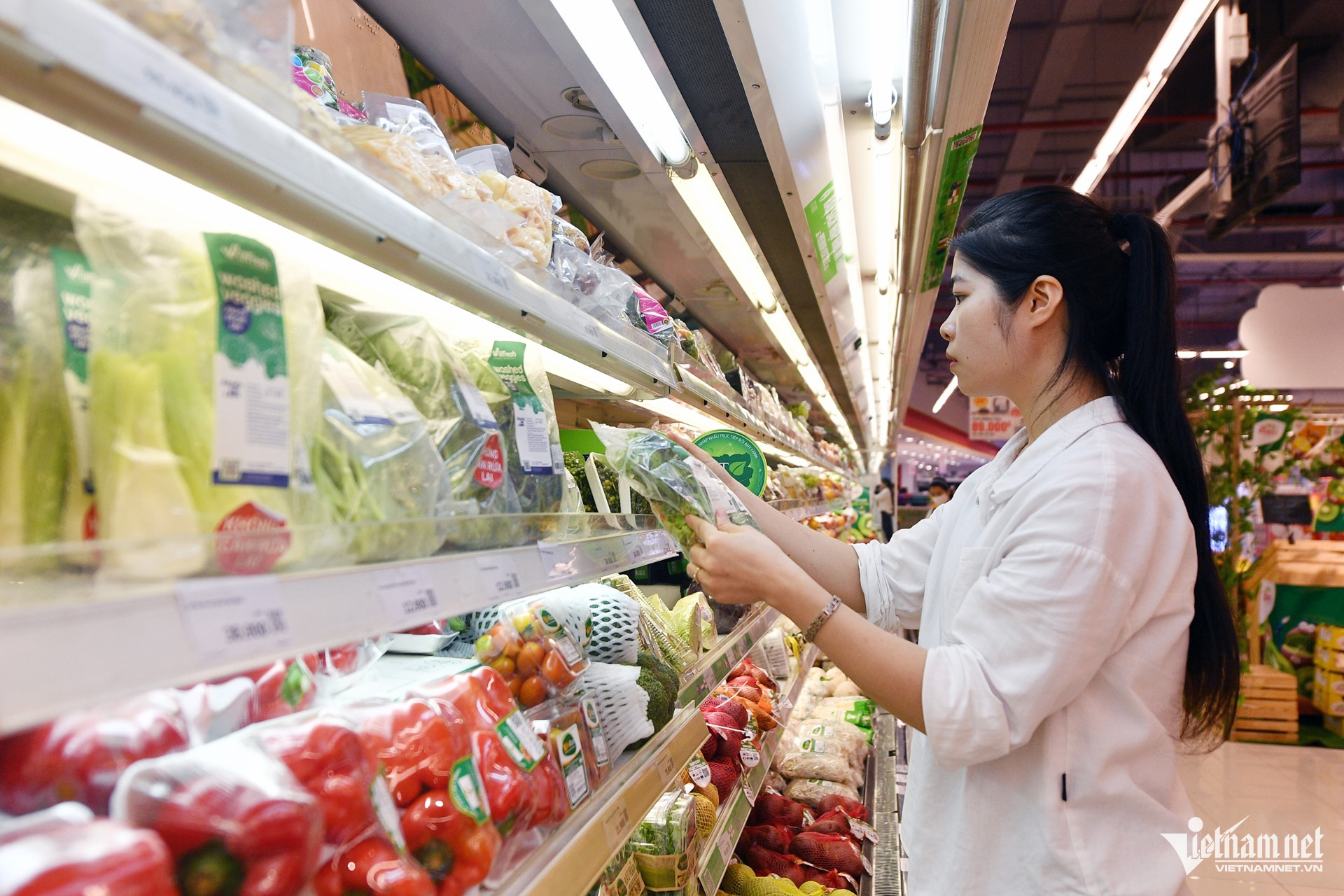
Resolution No68-NQ/TW of the Politburo on private sector development sets the goal of abolishing the lump-sum tax regime for household businesses no later than 2026. Instead, household businesses will move to self-declaration and pay taxes based on actual revenue.
Mai Son, Deputy Director General of the General Department of Taxation under the Ministry of Finance, stressed that abolishing lump-sum taxation plays a pivotal role in reforming tax administration and promoting private sector development.
According to Son, the change helps enhance transparency and fairness in tax collection. When shifting from lump-sum taxation to self-declaration and payment based on actual revenue, tax authorities can more accurately assess the business capacity of each household, while ensuring the principle of “self-declaration, self-payment, and self-responsibility.”
After the transition, the business environment for individual household businesses will become more transparent and standardized, creating a foundation for sustainable development and encouraging the transformation of household businesses into enterprises.
Implementing the Ministry of Finance’s project on “Transforming the tax management model and method for household businesses upon the abolition of lump-sum taxation,” the Department of Taxation has advised the Ministry to issue official dispatches to leaders of provinces and cities, requesting coordinated direction on tax management for household and individual businesses during the transition.
Based on this, tax authorities at all levels have rolled out a “60-day peak campaign to transform household businesses from lump-sum taxation to self-declaration.”
The campaign focuses on communication and support to ensure household and individual businesses fully understand the policy; 24/7 hotlines to address inquiries; and calls for on technology companies to provide free or discounted software products.
The taxation body has also launched a dedicated experience portal for household businesses, allowing taxpayers to test and familiarize themselves with the system before official implementation.
With these measures, the Department of Taxation said that essentially 100 percent of household and individual businesses have been informed, shown support and consensus, and are ready for the transition from lump-sum taxation to self-declaration starting January 1, 2026.
It added that more than 18,300 lump-sum-tax household businesses have voluntarily switched to the self-declaration method ahead of the deadline, and more than 3,200 have transformed into enterprises.
New tax calculation method
On December 10, the National Assembly passed the Personal Income Tax Law 2025. Under the new law, the revenue threshold exempt from tax for individuals and household businesses has been raised from VND200 million to VND500 million per year, and this amount can be deducted before calculating tax based on revenue ratios.
In a draft decree on tax administration for household and individual businesses, which the Ministry of Finance has submitted to the Ministry of Justice for appraisal, household and individual businesses are classified by revenue thresholds to apply appropriate tax obligations.
Accordingly, household and individual businesses with annual revenue of VND500 million or less are not subject to value-added tax and are not required to pay personal income tax. This group is only required to report actual revenue to the tax authority no later than January 31 each year.
For household and individual businesses with annual revenue above VND500 million, tax obligations arise. Regarding value-added tax, these entities pay tax using the direct method based on revenue, applying percentage rates as stipulated in the Value-Added Tax Law N0 48/2024/QH15.
Regarding personal income tax, tax payable by household and individual businesses with annual revenue above VND500 million is calculated as taxable income multiplied by the applicable tax rate.
Taxable income is determined as revenue from goods and services sold minus expenses related to production and business activities during the tax period.
Specifically, household and individual businesses with annual revenue from over VND500 million to VND3 billion are subject to a 15 percent tax rate; from over VND3 billion to VND50 billion, a 17 percent tax rate; and above VND50 billion, a 20 percent tax rate.
Resident household and individual businesses with annual revenue from over VND500 million to VND3 billion may choose to pay tax based on taxable income multiplied by the tax rate, or based on taxable revenue multiplied by the tax rate. Taxable revenue is defined as the portion of revenue exceeding VND500 million.
Once a tax calculation method is selected, it will be applied consistently for two consecutive years, to limit frequent changes that could disrupt household businesses’ tax obligations.
Nguyen Le
.svg)
