 Vietnamnet.vn

 Podcast



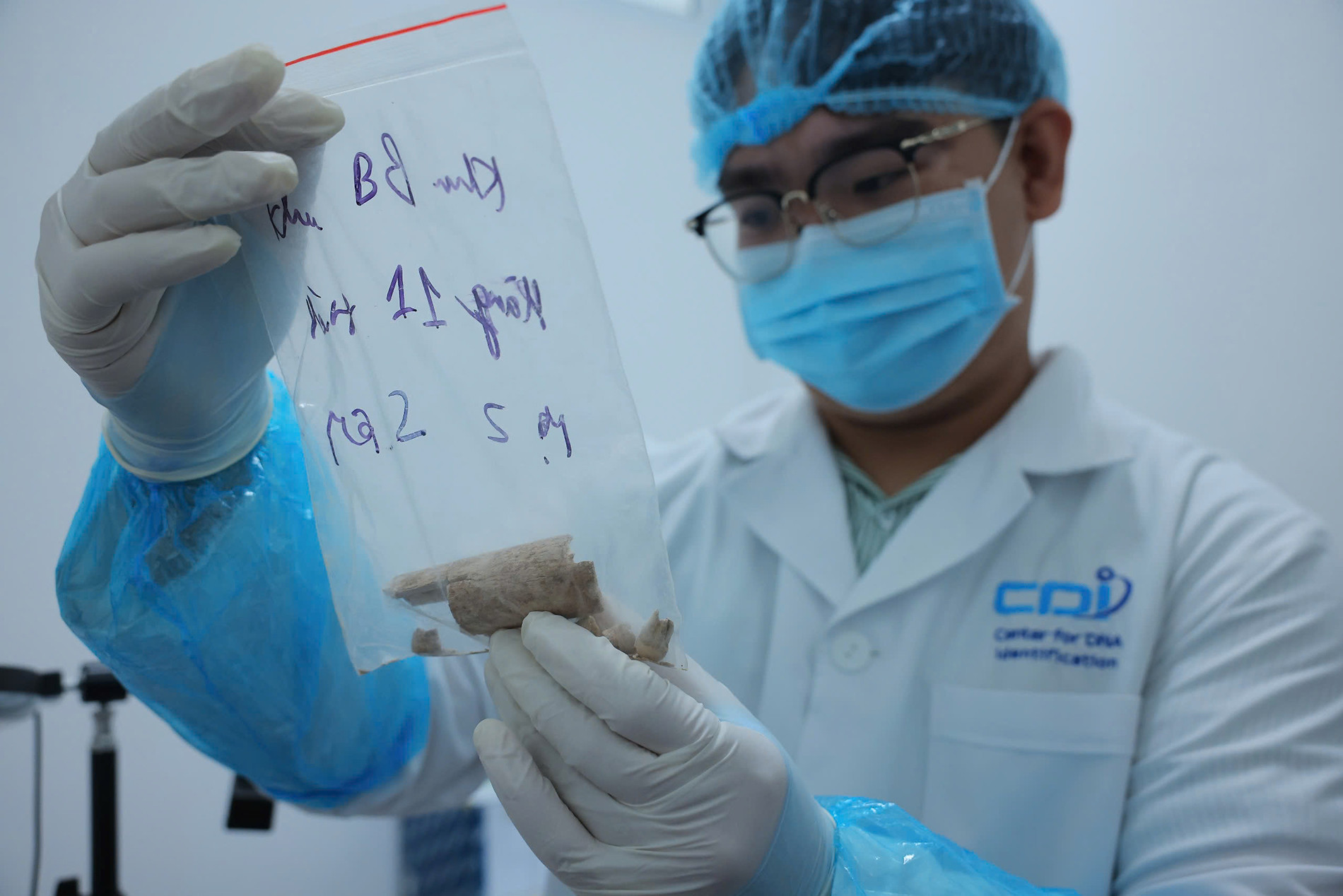
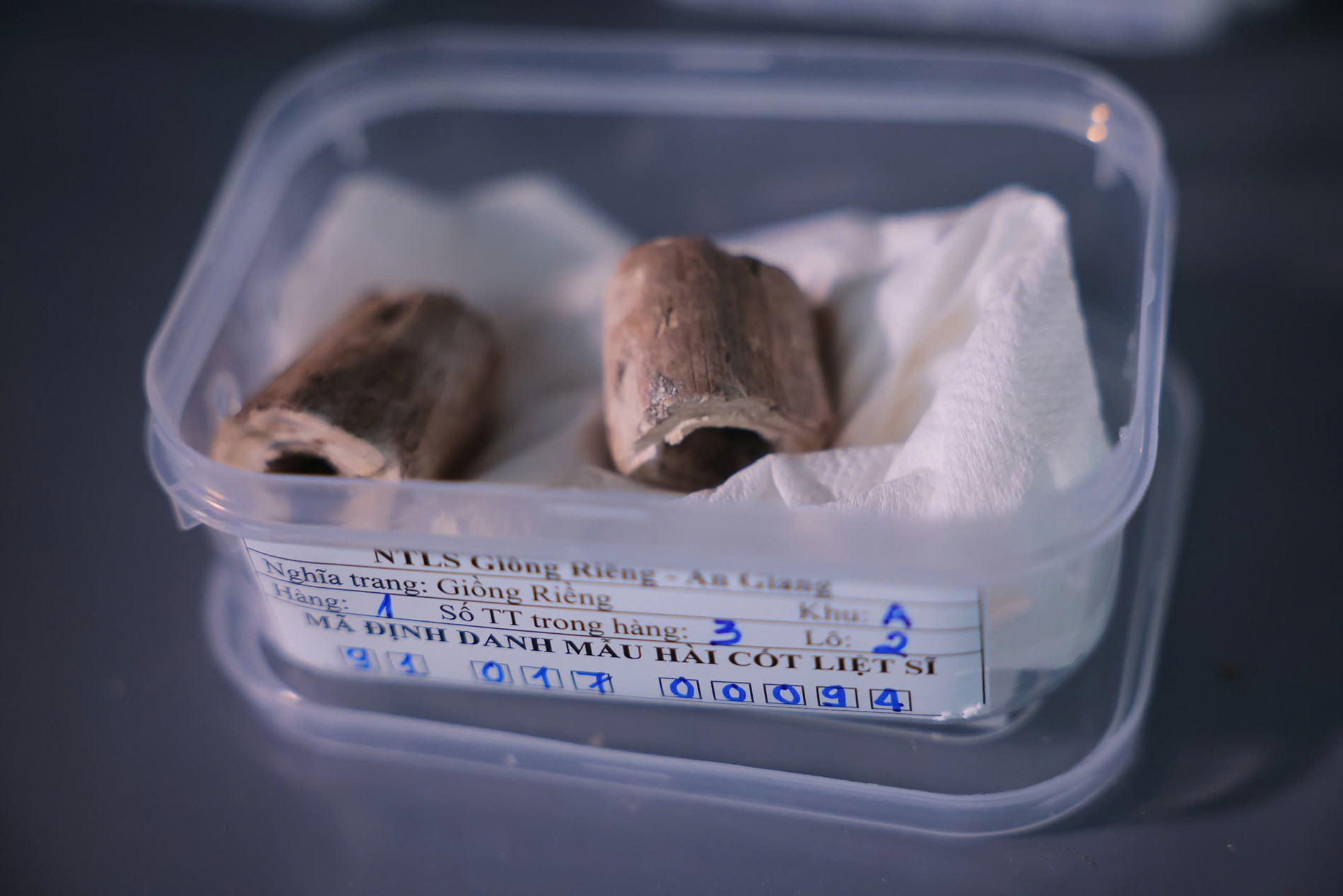
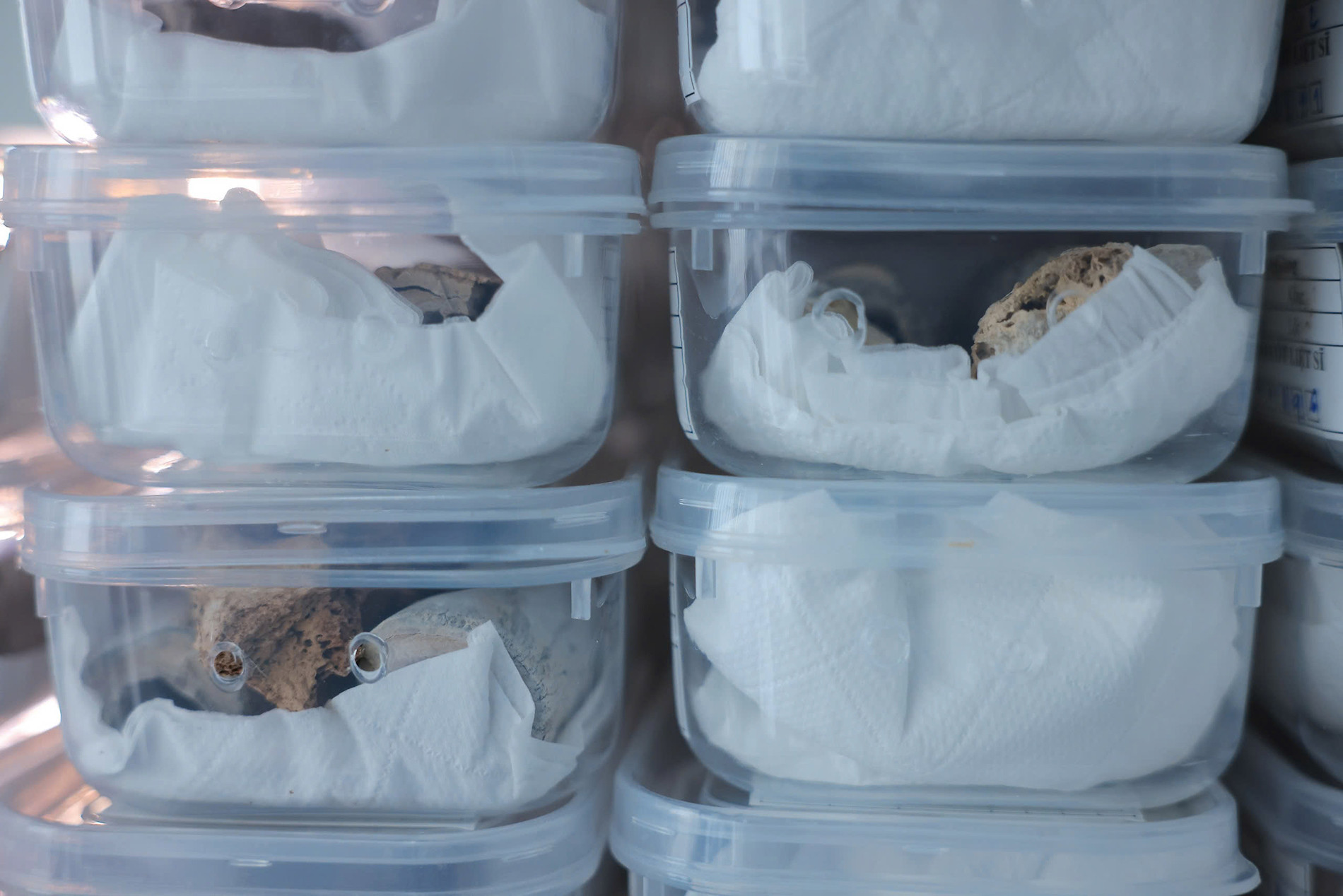
Every set of unidentified remains recovered from Vietnam's battlefields represents an unfinished story. Every successful DNA identification brings long-awaited answers - and, for many families, an emotional reunion after decades of uncertainty.
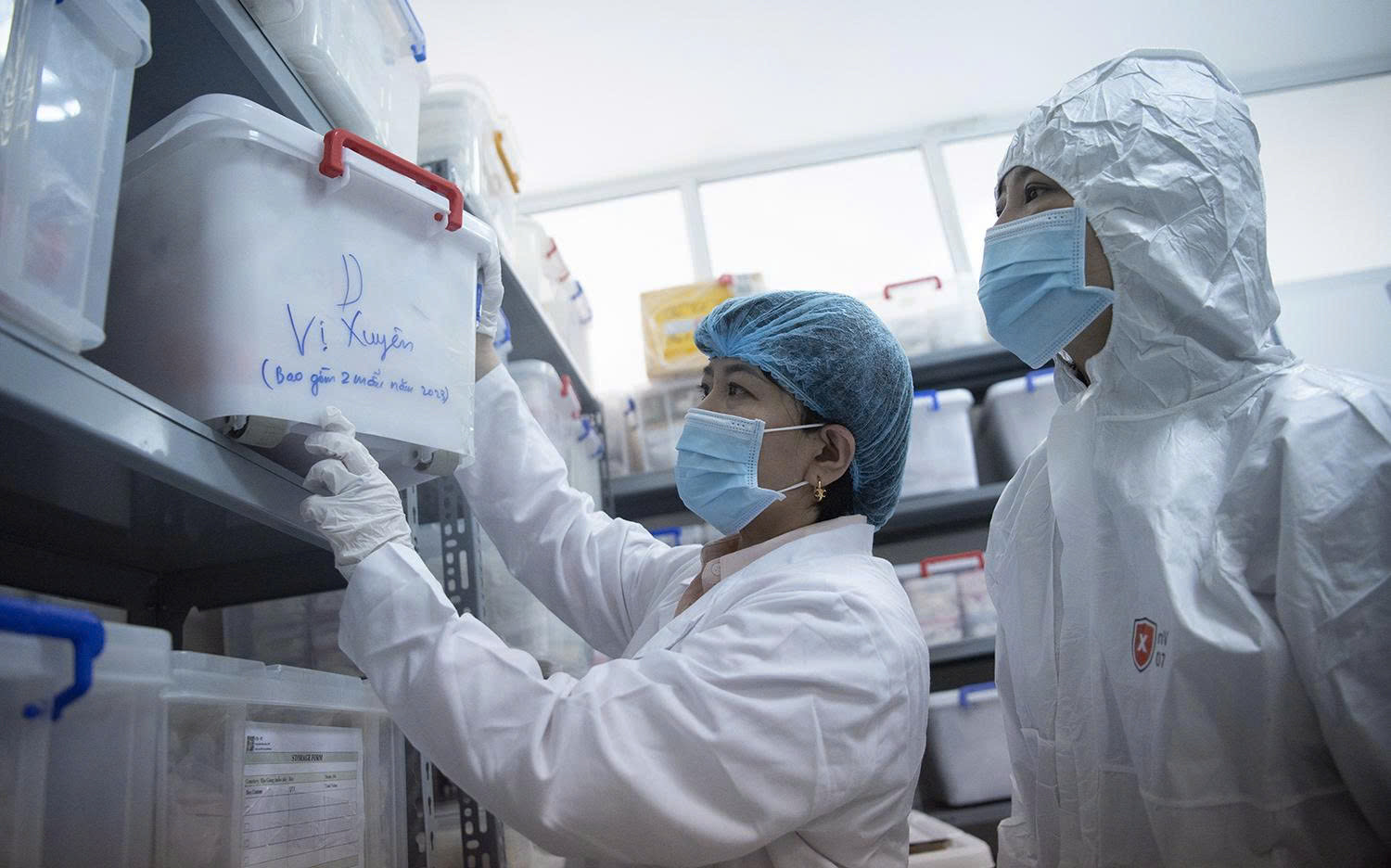
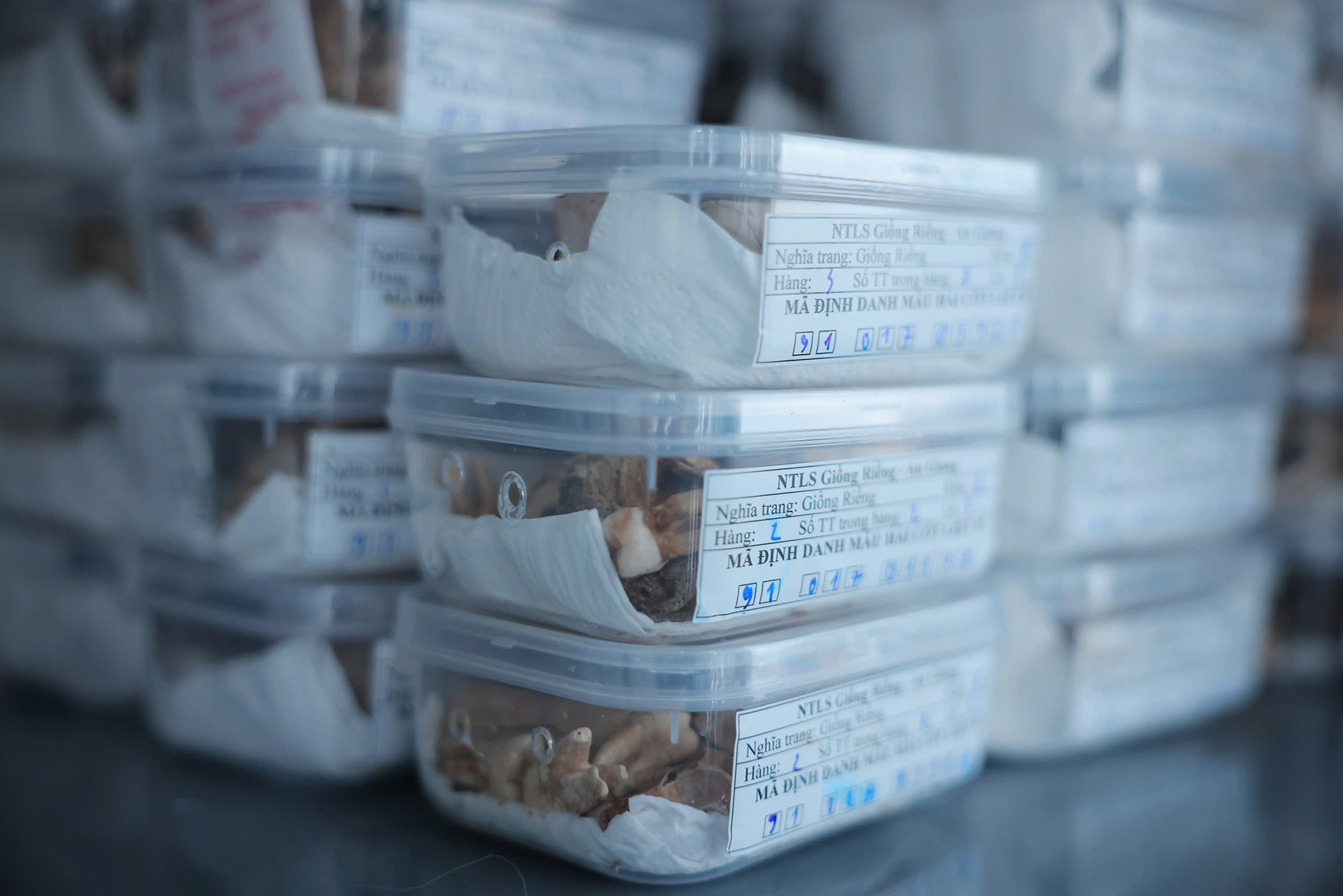
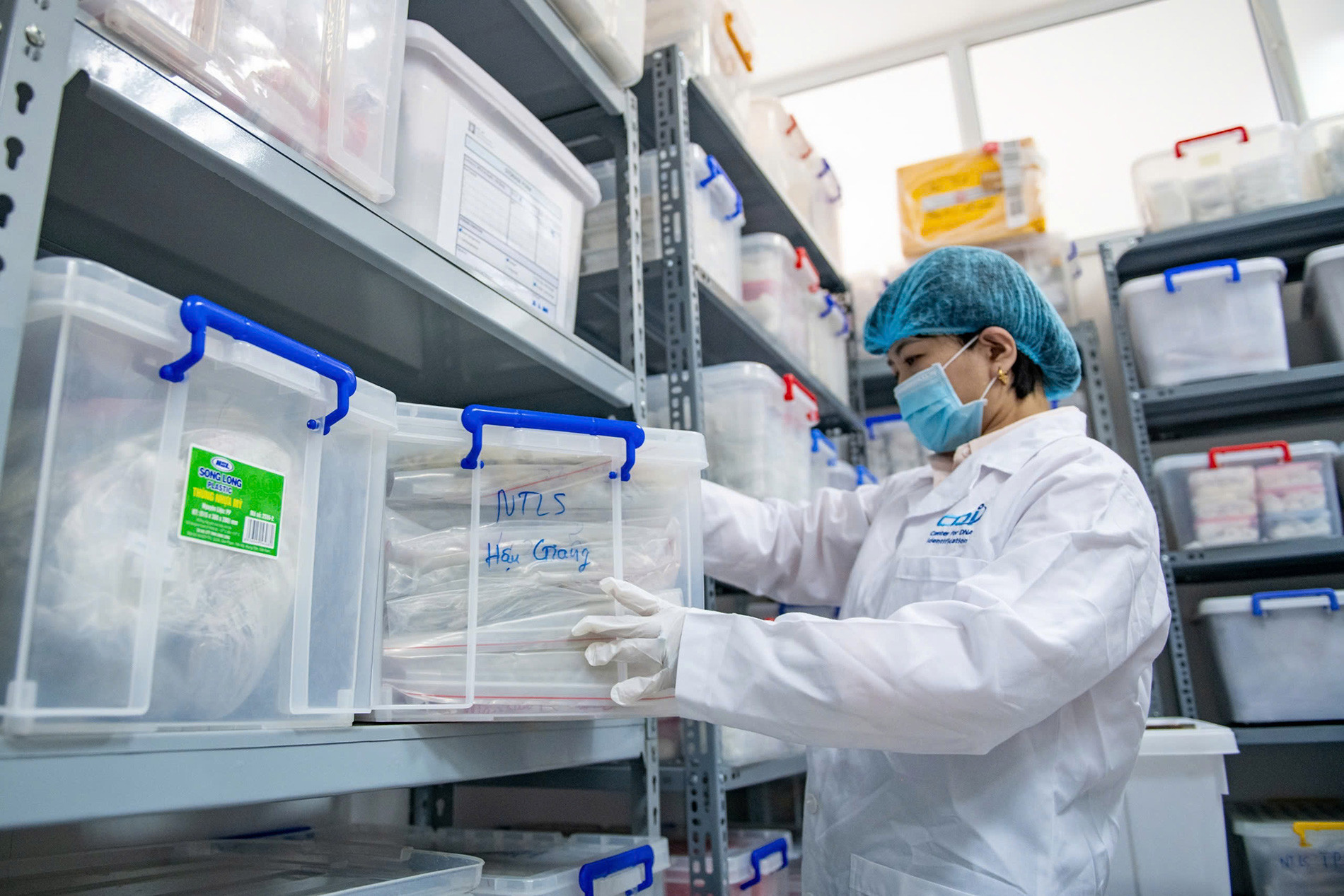
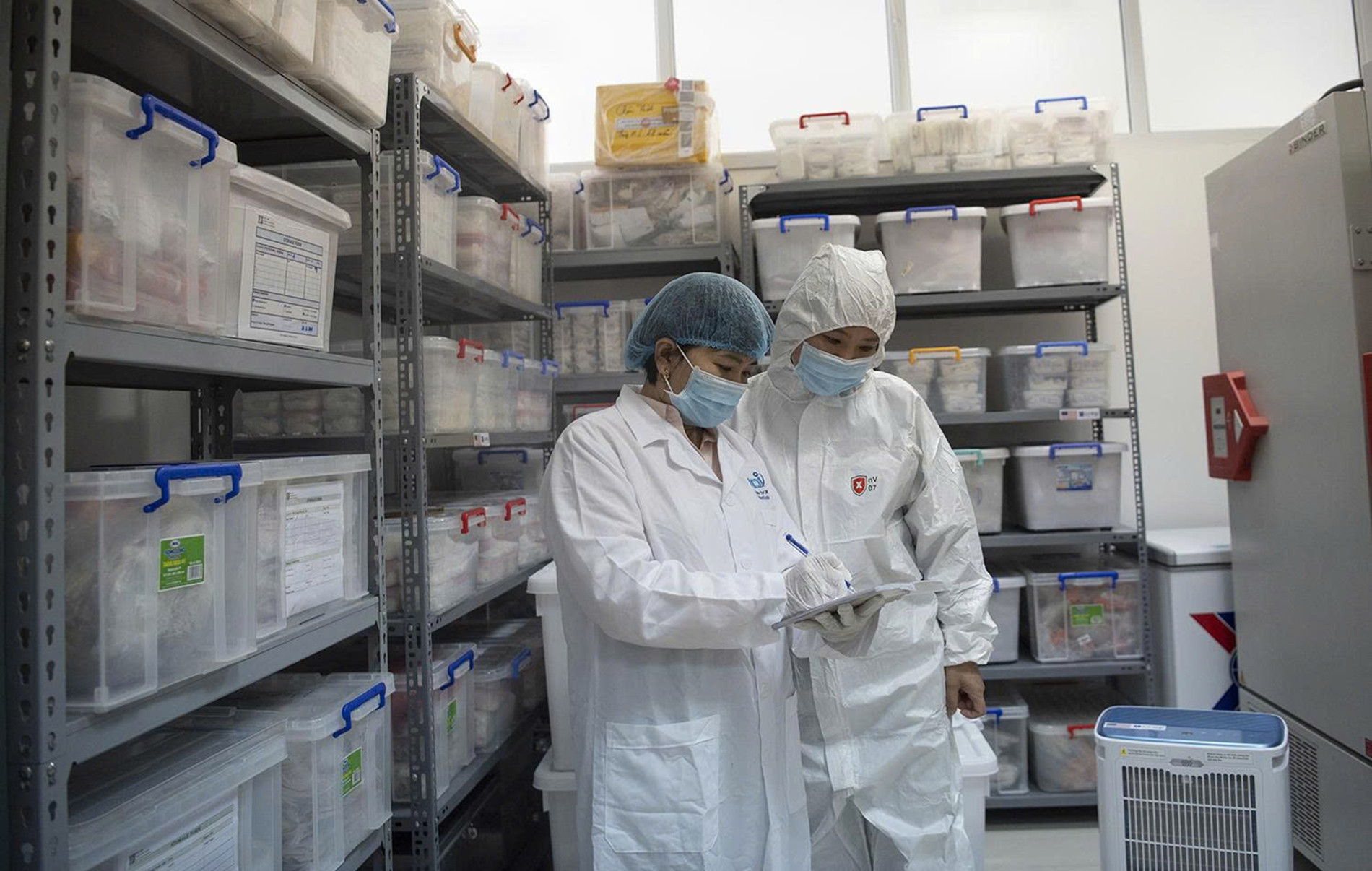
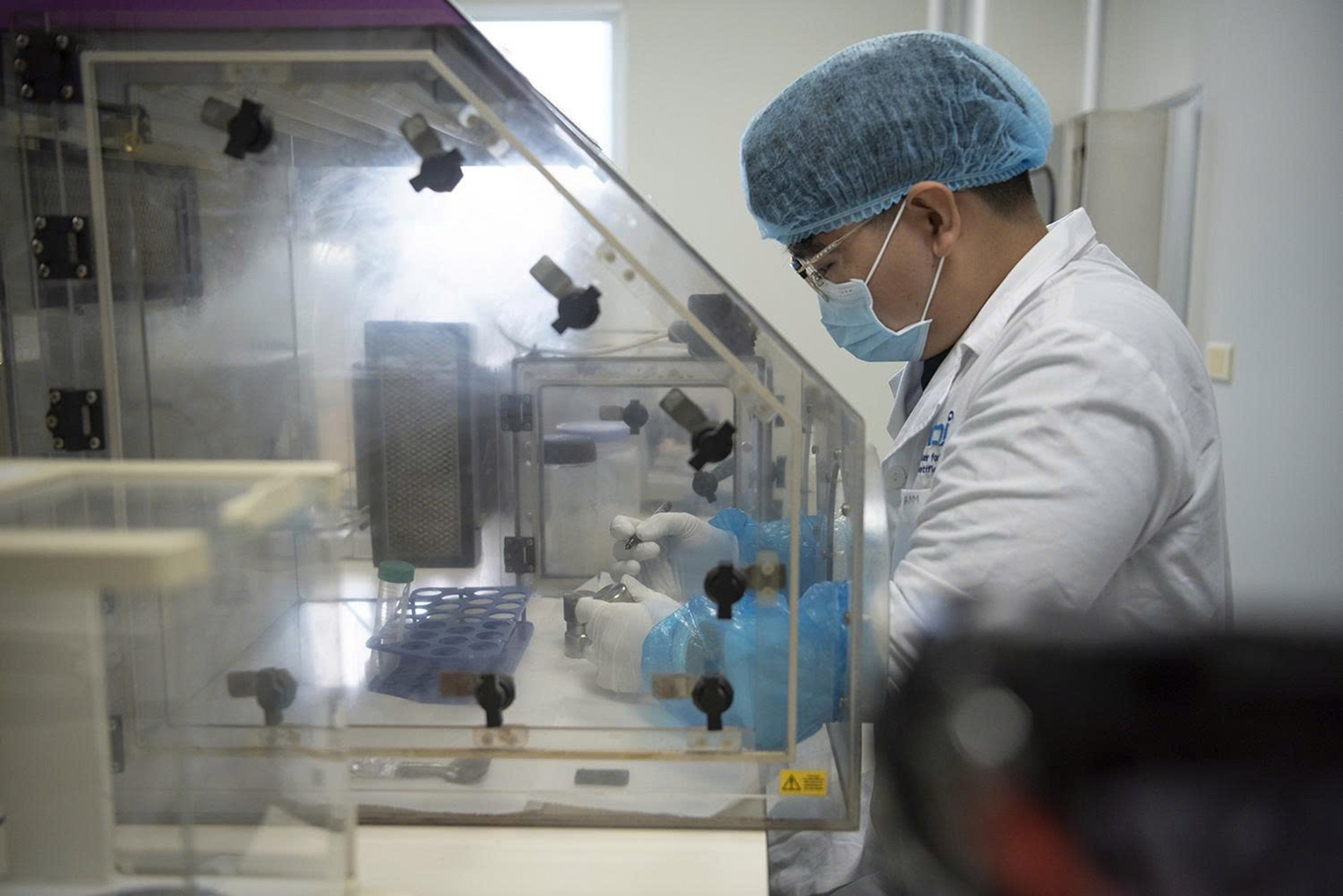
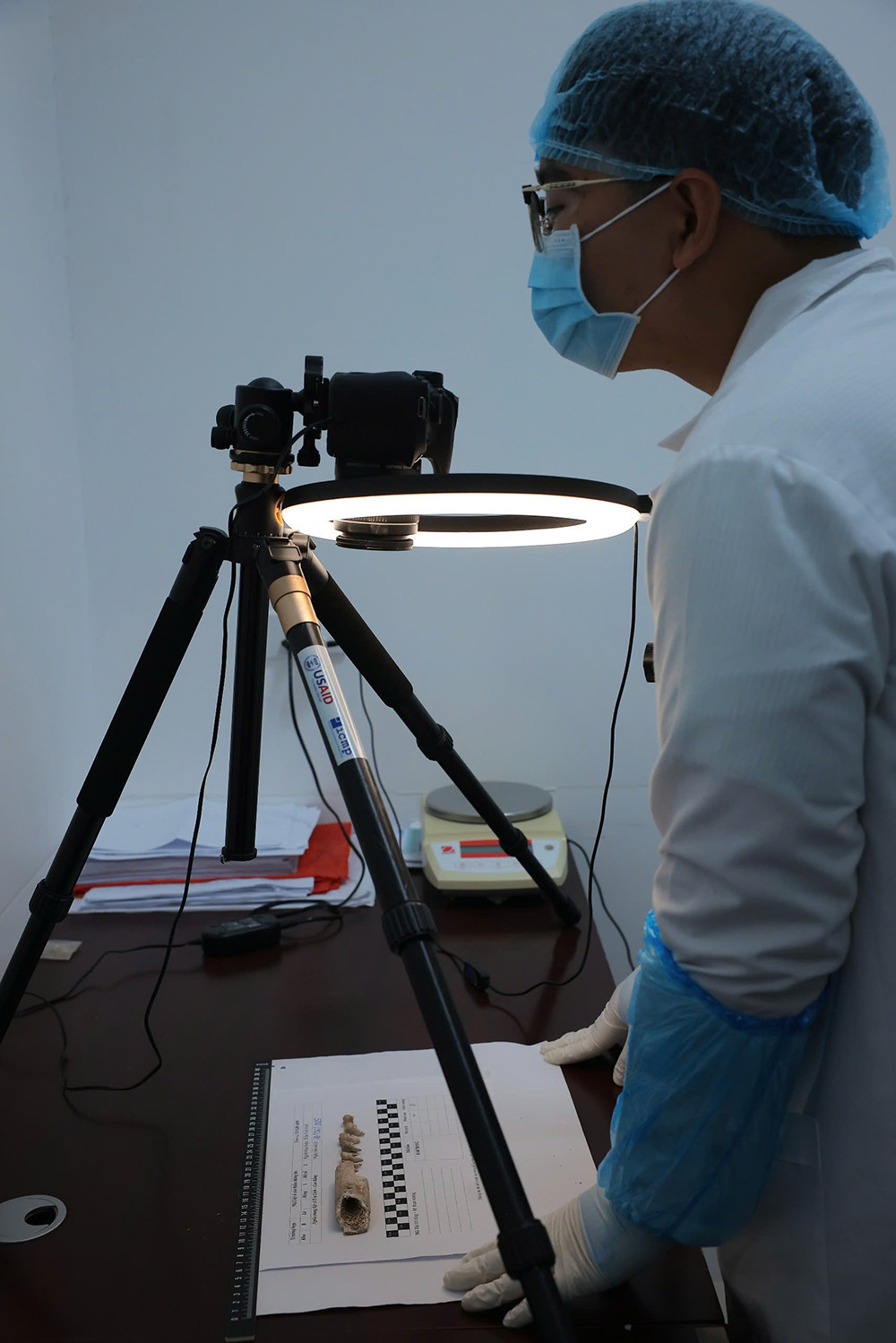
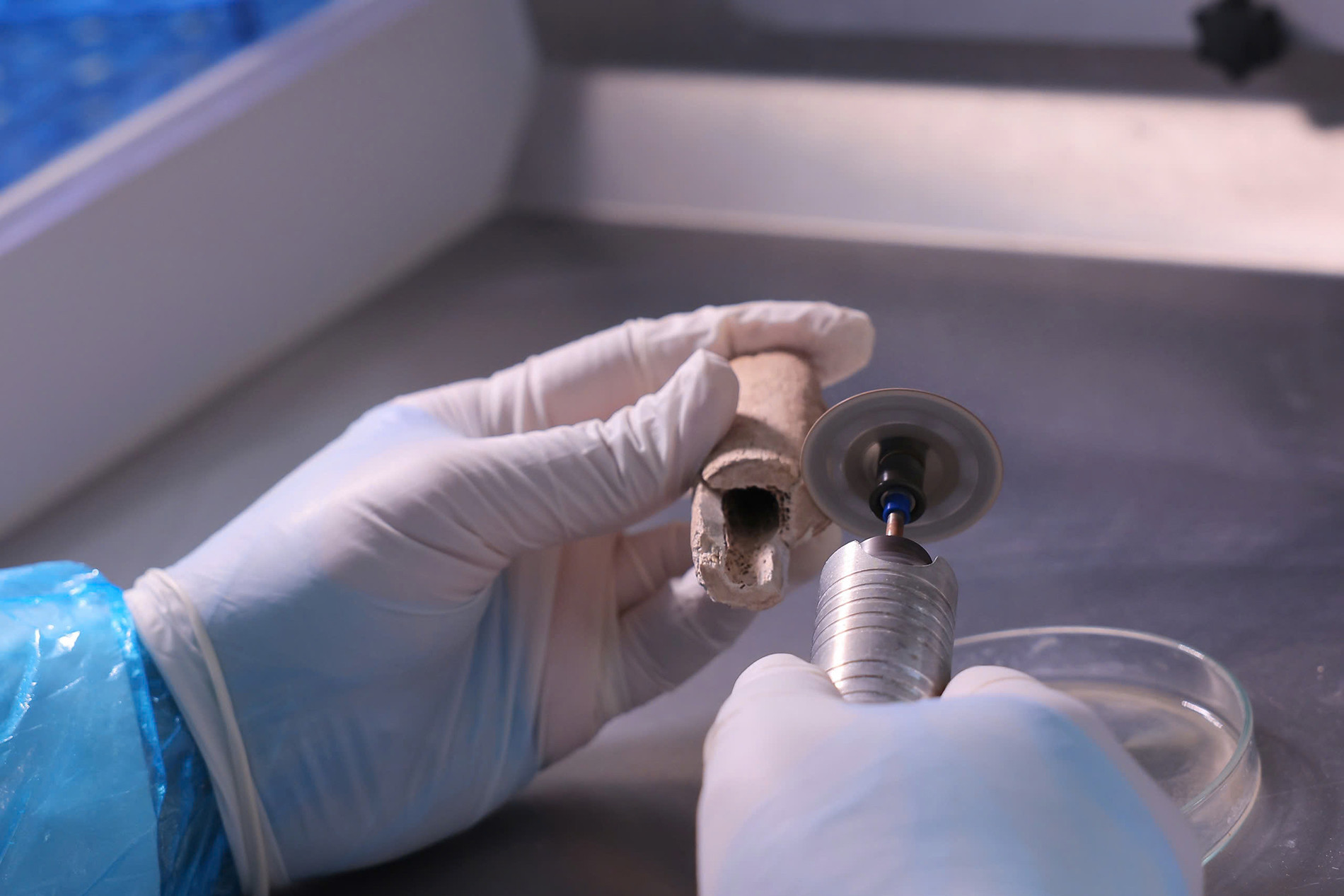
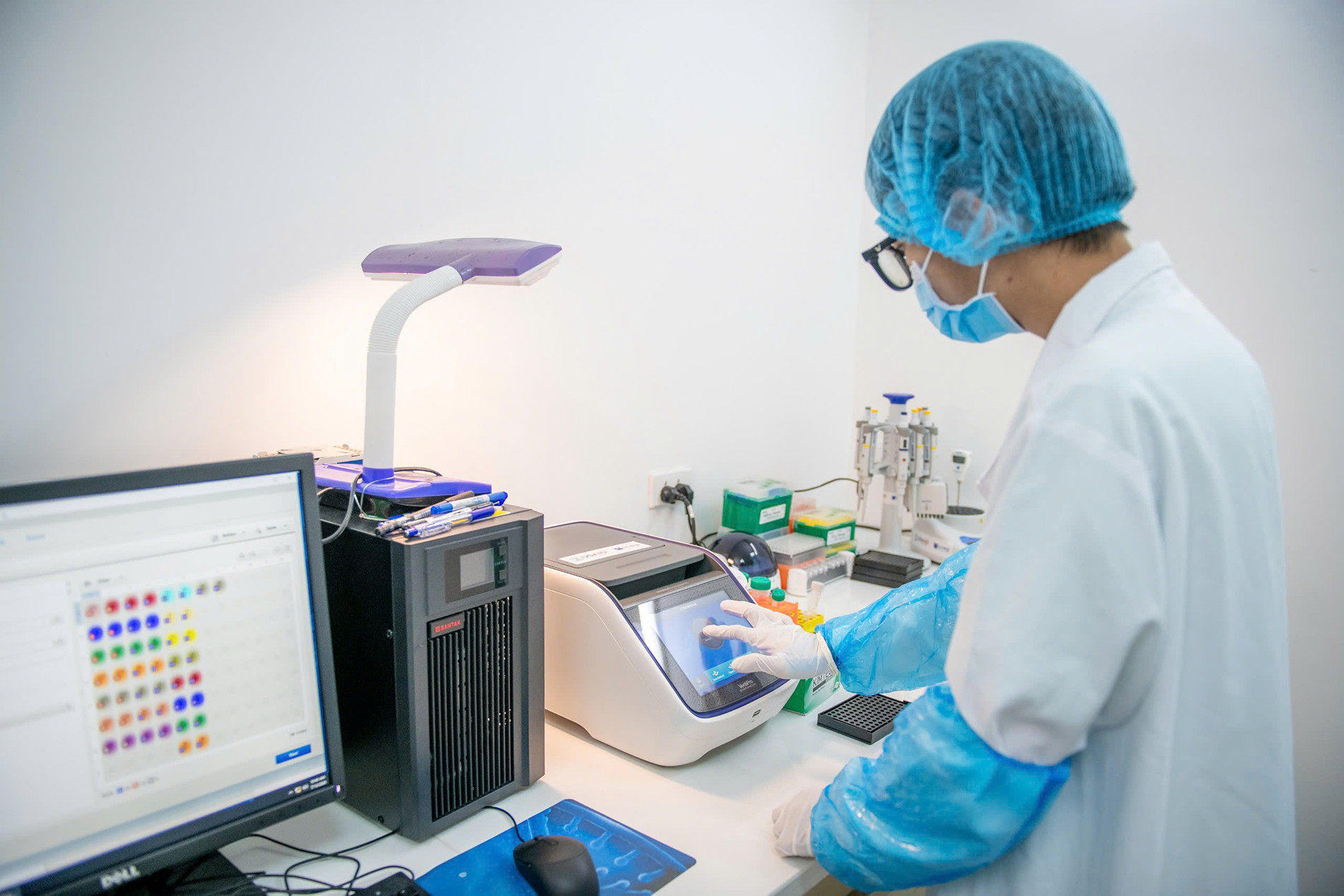
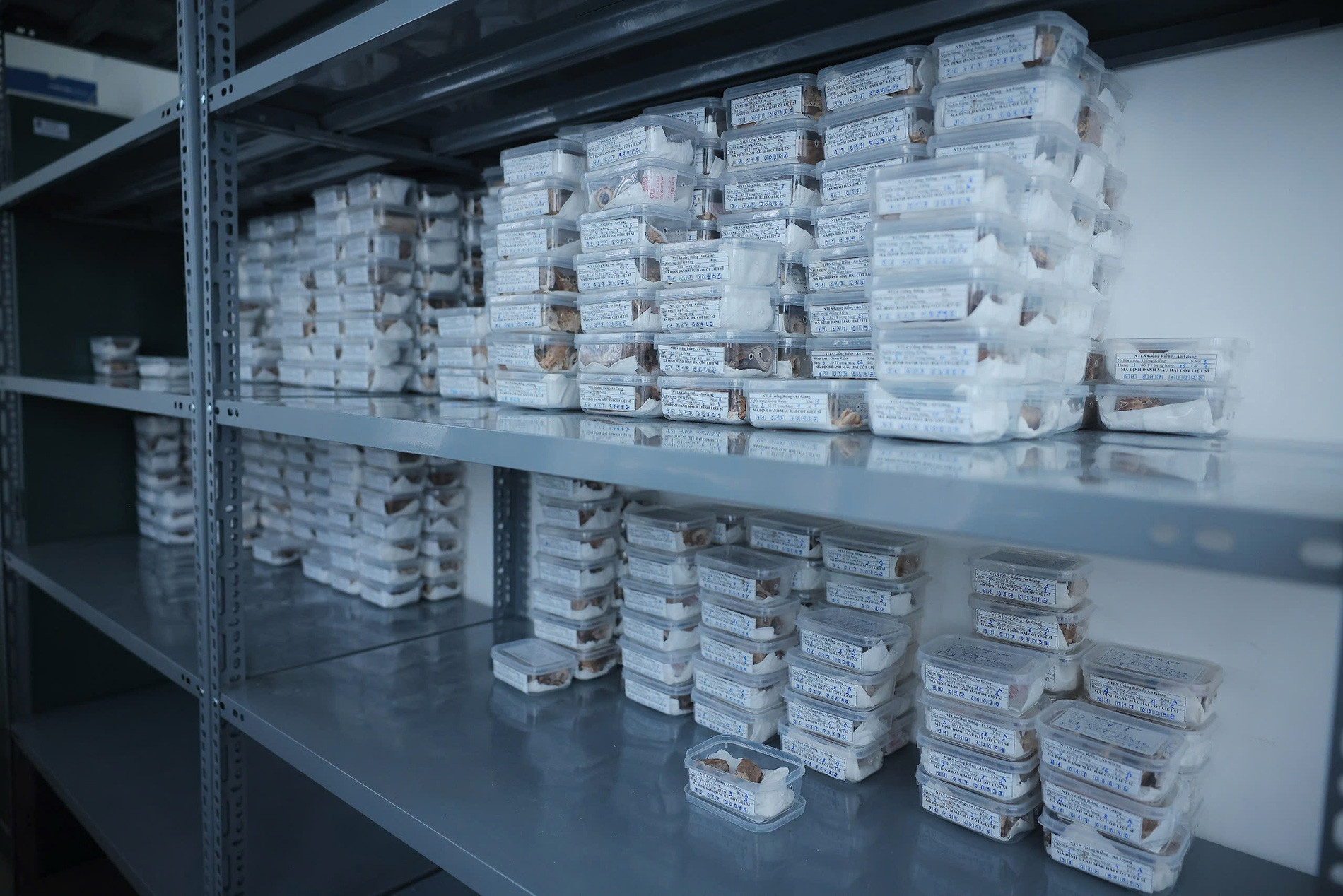
That mission is at the heart of the work carried out by the Center for DNA Identification (CDI) under the Institute of Biology, part of the Vietnam Academy of Science and Technology (VAST). The center is applying advanced genetic technologies to identify the remains of Vietnam's unidentified martyrs, honoring those who sacrificed their lives for the nation.
A scientific mission with profound human significance
Under Decision No. 21/QĐ-SH, issued on March 15, 2025, by the Director of the Institute of Biology, the Center for DNA Identification was assigned responsibility for research and applications in genetic technology, with a primary focus on identifying the remains of unknown martyrs under the Government's Project 515.
The mission carries deep political, social and humanitarian significance.
Behind every bone fragment and every DNA profile lies not merely scientific data, but decades of hope carried by mothers, wives, children and relatives still waiting to learn the fate of their loved ones.
DNA technology has become a bridge between past and present, helping bring those who made the ultimate sacrifice back to their families and hometowns.
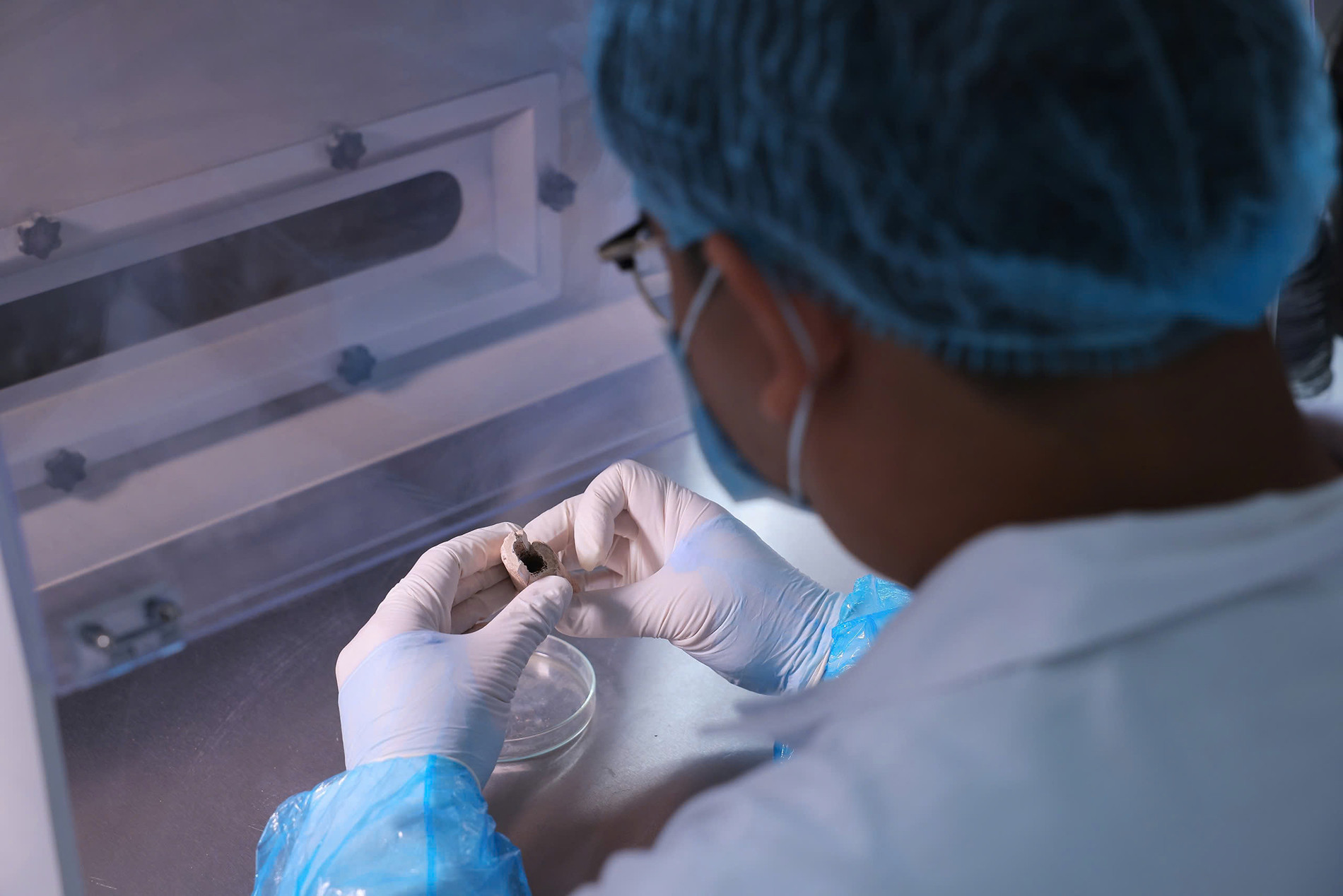
To accomplish this task, researchers continue refining genetic analysis techniques, developing identification protocols and improving methods for determining biological relationships through DNA.
By combining modern molecular biology with expanding genetic databases, scientists have significantly improved the accuracy of matching unidentified remains with surviving relatives.
Beyond identifying war martyrs, the center also conducts research into broader applications of genetic technology, including kinship testing, population genetics, mutation detection and studies of gene expression associated with inherited diseases.
These projects continue to expand the role of DNA technology in scientific research, medicine and public health.
Next-generation sequencing expands identification capabilities
Professor Chu Hoang Ha, Vice President of the Vietnam Academy of Science and Technology, said the academy is developing a new approach based on next-generation sequencing (NGS) technology.
Unlike conventional methods that analyze only a limited number of genetic markers, the new technique examines thousands of single nucleotide markers distributed across the entire genome.
The marker panel can include approximately 5,000 genetic positions, greatly increasing the amount of information available for comparison.
One of the method's greatest advantages is its ability to recover usable genetic information even from severely degraded DNA, where only very short fragments remain.
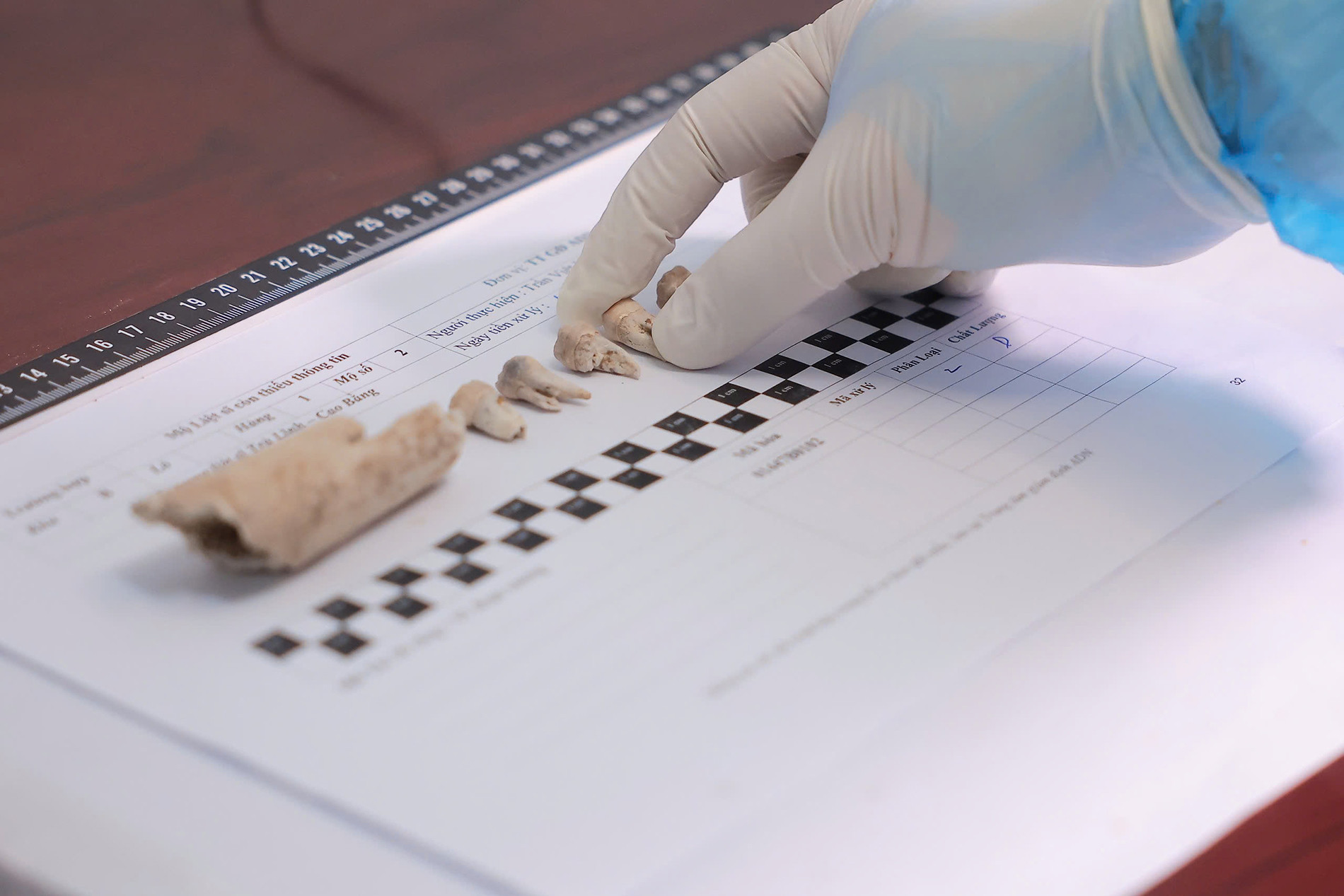
The technology has already undergone pilot testing at Tra Linh Martyrs' Cemetery in Cao Bang Province, involving nearly 60 burial samples.
Initial results showed a success rate exceeding 90%, generating sufficient genetic markers for comparison with family reference samples and enabling the preliminary identification of several war martyrs.
According to Professor Ha, when a complete marker profile can be obtained, the method may also support the identification of much more distant biological relationships, potentially extending to fourth-generation relatives.
Bringing names home
Behind every laboratory procedure and every successful DNA analysis lies a mission rooted in responsibility, remembrance and compassion.
Each identification is more than a scientific achievement.
It represents the continuation of Vietnam's enduring tradition of honoring those who sacrificed for the country, helping ease decades of grief while restoring names, identities and family connections once thought lost forever.
Nga Thuy
.svg)
