 Vietnamnet.vn

 Podcast



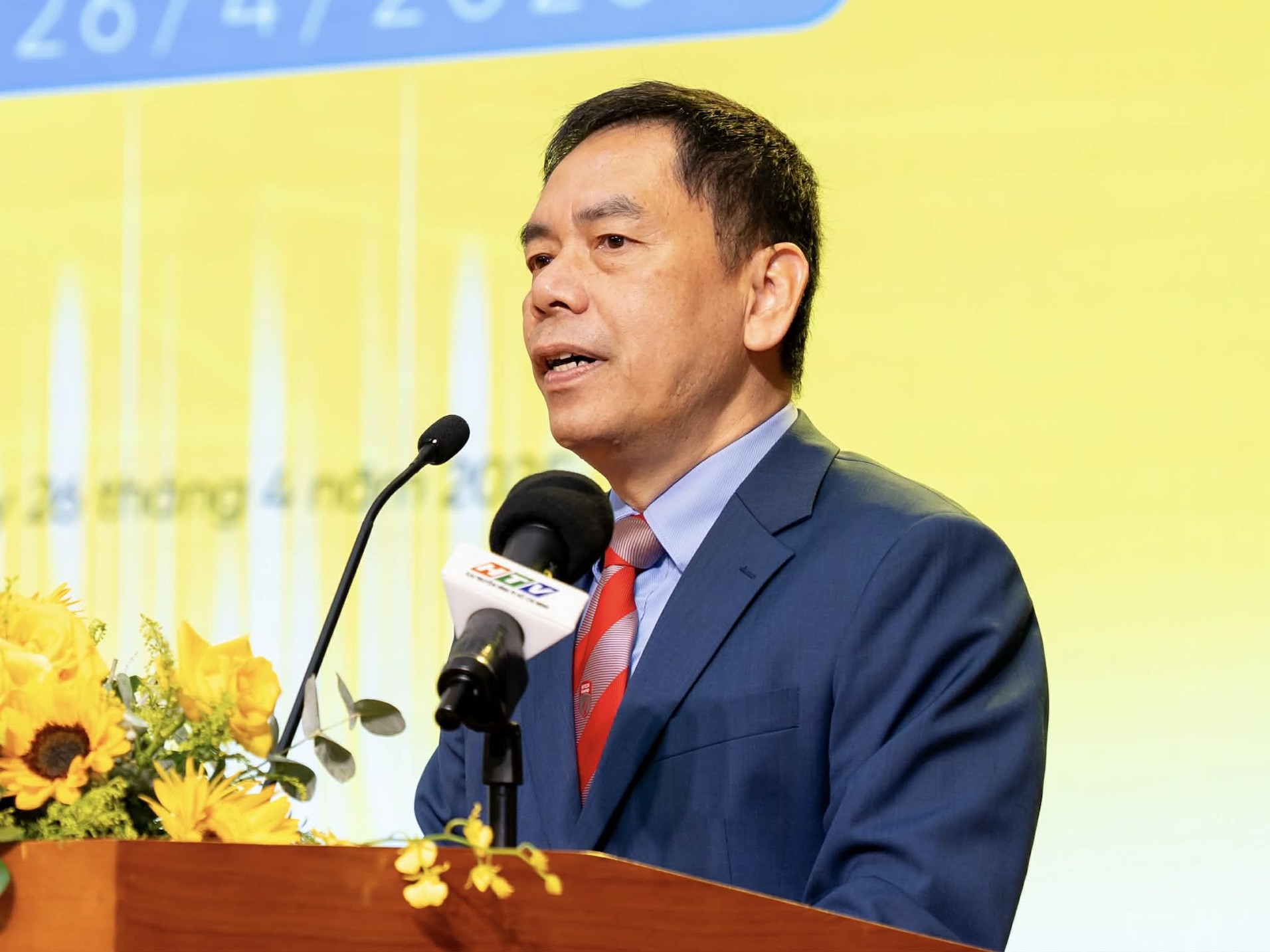
At HCMC University of Technology (HUTECH), the board of rectors has 11 members, including Rector Professor, Dr. Sc. Ho Dac Loc and 10 vice rectors: Dr. Tran Dinh Huy, Associate Professor, Dr. Nguyen Trung Kien, Dr. Nguyen Quoc Anh, Associate Professor, Dr. Nguyen Thanh Phuong, Associate Professor, Dr. Phan Dinh Nguyen, Professor, Dr. Le Van Canh, Dr. Bui Van The Vinh, Dr. Huynh Ngoc Anh, Dr. Ly Thien Trang, and Dr. Le Dinh Luong.
HUTECH has 1,328 full-time lecturers, including 16 professors, 47 associate professors, 350 doctors and doctors of science, 915 masters, and 150 bachelors.
Nguyen Thi Xuan Dung, Director of HUTECH Communication Center, said the current structure, with one rector and 10 vice rectors, aligns with the school’s expanding training scale and operational scope. HUTECH offers more than 60 bachelor-level majors, 16 master’s specializations, and three doctoral specializations, with over 30,000 students enrolled.
At the same time, the university is developing cooperation with enterprises, international partnerships, science and technology activities, research, quality assurance, and student services across multiple campuses.
“The huge workload and the multi-disciplinary, multi-sector governance model requires a leadership team with sufficient capacity to oversee each specialized area, ensuring consistent and effective operations. The restructuring of HUTECH’s leadership is based on real needs as the school expands and accelerates its integration, aiming to build a strong governance system that better serves learners and partners,” Dung said.
Van Lang University now has six members in its Board of Rectors. The Rector is Associate Professor, Dr. Tran Thi My Dieu, along with five Vice Rectors: Dr. Vo Van Tuan, Dr. Ngo Quang Trung, Dr. Nguyen Thi Thu Ha, Master Bui Pham Lan Phuong, and Professor, Dr. Vo Nguyen Quoc Bao.
At Nguyen Tat Thanh University, the Board of Rectors has seven members. The Rector is Associate Professor, Dr. Nguyen Kim Hong; the Vice Rectors include: Professor, Dr. Nguyen Van Thanh, Associate Professor, Dr. Nguyen Lan Phuong, Associate Professor, Dr. Tran Thi Hong, Dr. Nguyen Tuan Anh, Dr. Phan Thi Viet Nam, and Dr. Hoang Huu Dung.
HCMC University of Economics and Finance (UEF) has a Board of Rectors consisting of six members. The Rector is Dr. Nguyen Thanh Giang; the Vice Rectors include Dr. Do Huu Nguyen Loc, Dr. Ho Vien Phuong, Dr. Nhan Cam Tri, Dr. Phan Bao Giang, and Dr. Ngo Minh Hai.
At Van Hien University, the leadership apparatus includes both the executive board and the Board of Rectors with a total of 12 people. The Executive Director is Pham Thi Minh Nguyet; the Vice Executive Directors include Tran Thi Phuong Thao, Phu Thi Thuy Trang, Le Si Hai, Vu Thanh Long, Nguyen Do Tung, Nguyen Thi Thanh Ha, Nguyen Thi Diem Tuyet, and Cao Trinh Thi Thuy Vy. The Rector is Nguyen Minh Duc; the Vice Rectors include Tran Huy Hoang (Standing) and Nguyen Thi Thu Trang.
The leadership apparatus at Hoa Sen University includes Associate Professor, Dr. Nguyen Huu Huy Nhut (in charge) and Vice Rectors: Dr. Tu Minh Thien, Master Doan Ngoc Duy, Master Truong Hoang Nhut, Master Pham Doan Nguyen, and Master Doan Hai Ninh.
The Board of Rectors of Hong Bang International University includes Rector Professor, Dr. Pham Van Linh and Vice Rectors: Associate Professor, Dr. Le Khac Cuong, Master Nguyen Ngoc Tuan, Master Tran Thuy Tram Quyen, Associate Professor, Dr. Nguyen Thi Thu Thuy, Luong Thi Kim Chi, and Nguyen Le Anh Trung.
He noted that while private universities tend to appoint more vice rectors to serve their increasingly large operation scale, public universities cannot have more than three vice rectors, regardless of their scale and number of students.
The problem is that private schools can determine their leadership, while public schools have to follow regulations. As a result many public universities have to flexibly "group" tasks and reallocate internal work to suit management needs.
In the private sector, the appointment of vice rectors is often based on the competency, management experience, and operational capability of each individual, while also considering the school's scale, development strategy, and brand.
According to this expert, having many vice rectors in private universities brings several advantages. First, the leadership has a clear division of labor, with each vice rector in charge of an in-depth professional area, helping the university operate more efficiently.
Second, a larger number of deputies helps reduce the load on the rector, increasing the ability to control academics, administration, corporate cooperation, and quality assurance. Third, gathering many experts with high academic ranks and degrees in the role of vice rector also contributes to enhancing the school's prestige and academic brand.
Le Huyen
.svg)
