 Vietnamnet.vn

 Podcast



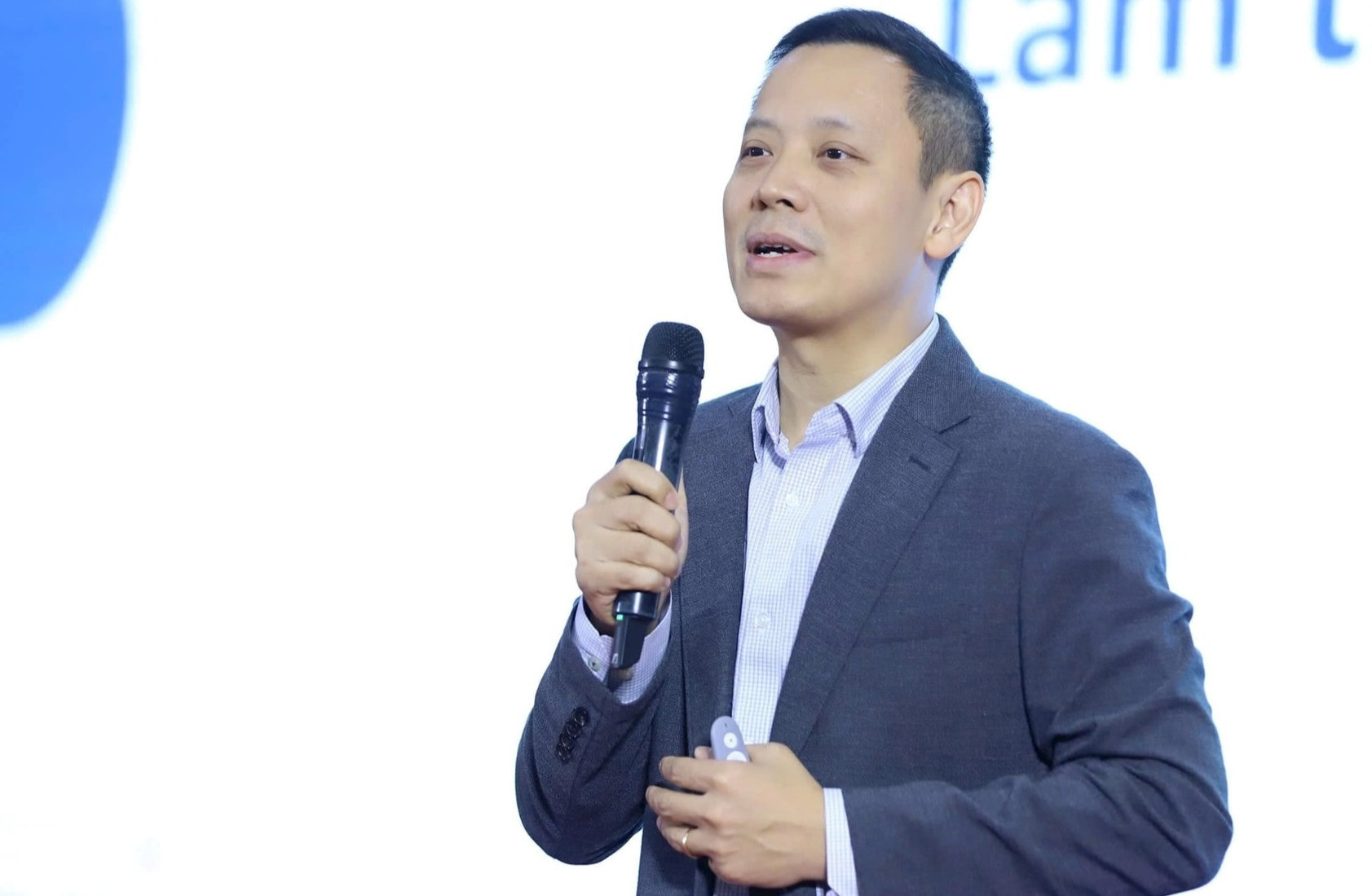
The issue was raised at the seminar on “Developing Artificial Intelligence Competence for Learners”, organized on October 28 by the University of Social Sciences and Humanities, One World Magazine, and several partners.
Professor Dr Le Anh Vinh, Director of the Vietnam Institute of Educational Sciences under the Ministry of Education and Training, said AI is now present everywhere and continues to evolve rapidly. Students need to be equipped with knowledge about AI as early as possible.
Schools have implemented AI in various activities. According to a 2023 survey by the Vietnam Institute of Educational Sciences involving more than 11,000 secondary students, 87 percent were aware of AI, and 86 percent believed that AI brought benefits to their learning. For example, students using ChatGPT could answer difficult questions easily.
For teachers, a 2024 survey with nearly 35,000 general education teachers showed that 76 percent had used AI in teaching, and more than 60 percent of them learned and applied it independently.
Despite the enthusiasm, Vinh believes that technology still cannot solve the core problems of education.
He pointed out that with AI support, teachers can now prepare lesson plans in just a few minutes, producing high-quality lectures or attractive slides. Students, upon receiving assignments, can also use AI to complete them within minutes.
“In this way, teachers use AI to teach, students use AI to learn, and in the end, no one actually teaches or learns, only the machine learns and becomes increasingly intelligent,” Vinh said.
He provided another example: teachers can now use AI to grade assignments easily. With thousands of essays, they can grade quickly, analyze data, and offer feedback to students.
“But do students really need that? No one writes an essay hoping that it will be read and commented on by AI. So, while technology can do many things, it still cannot solve the core issue of education,” he added.
How to use AI in schools?
Vinh said three main pillars are required. First, there needs to be a consistent policy framework to bring AI into schools. Many countries have also issued such policies and long-term roadmaps.
“When we talked to Chinese experts, they were very proud to say that since 2004, this country has included teaching content about AI in Computer Science at high school level. Thanks to that, the generation of students who studied this content - now about 30 years old - has become a high-quality human resource in AI,” he said.
In addition, there must be comprehensive and flexible teaching programs and materials, along with human and financial resources.
There are currently three main viewpoints about bringing AI to high school: integrating AI into existing subjects; treating AI as part of computer science; and establishing AI as an independent learning subject.
“Our perspective is to both integrate AI into other subjects and also have a standalone course to teach specific AI knowledge. The approach must be step-by-step, with ongoing evaluation and research,” he explained.
For example, at the primary education level, the goal is to help students become familiar with technology through play, understanding what AI is and its simple effects. At the secondary level, the focus is on building foundational thinking and skills, developing the ability to apply AI and analyze its social impact.
At the high school level, the focus shifts to creation, helping students confidently use AI, understand basic principles, and design or adjust simple AI tools.
Vinh added that the Department of General Education is currently preparing a pilot implementation plan for the 2025–2026 school year, after which results will be evaluated for nationwide rollout.
Dr Tran Van Tung, President of the Vietnam Association for Information on Science and Technology and former Deputy Minister of Science and Technology, said that in education, AI is opening up new ways of teaching and learning.
However, AI also brings significant challenges. A recent story reported by the media noted that a student who often relied on an AI assistant for personal and academic conversations felt overly stressed. The student sought advice from the AI, which gave a misguided response, leading the student to take a tragic action.
Thanh Hung
.svg)
