 Vietnamnet.vn

 Podcast



Tinh Le
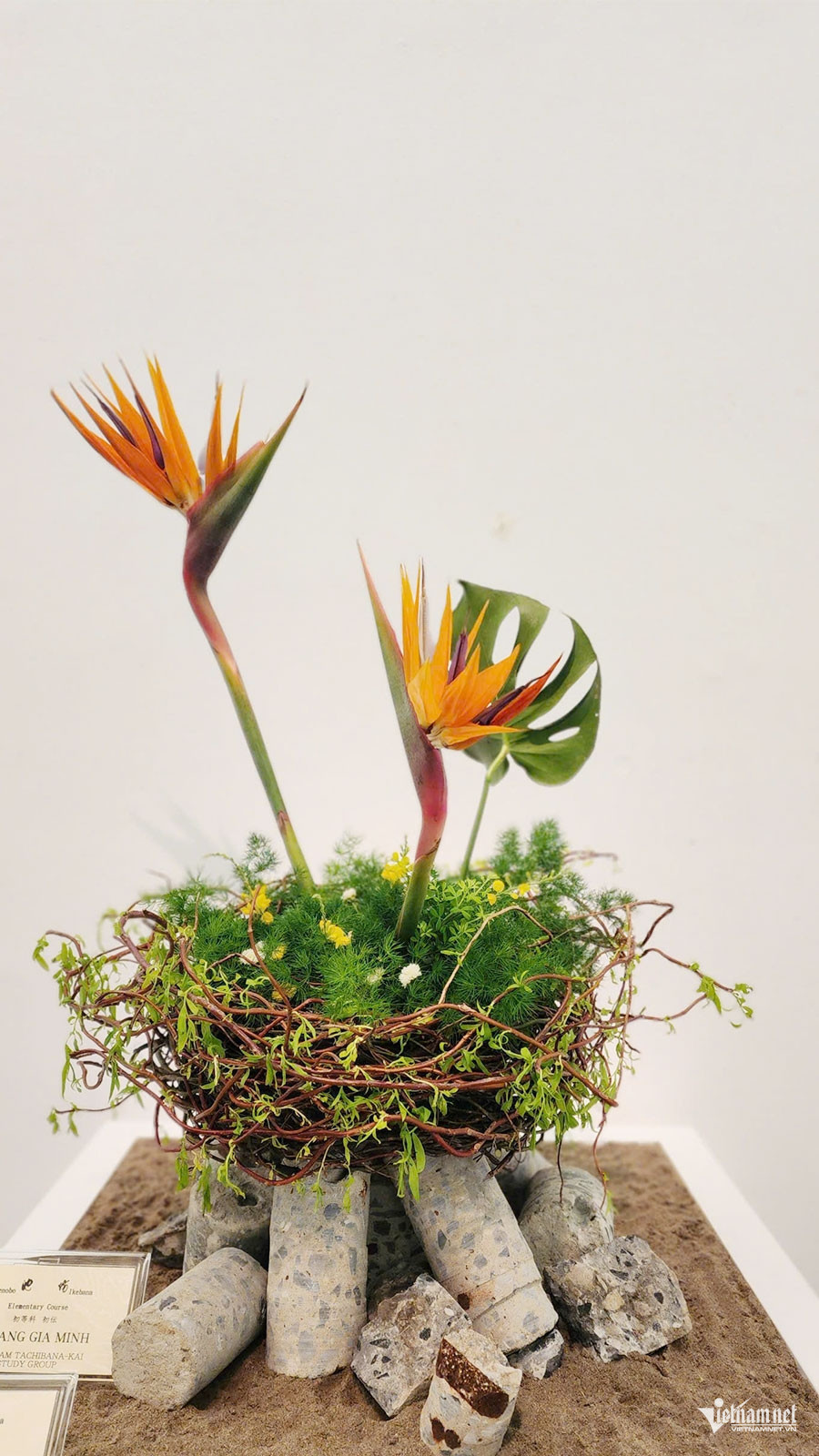
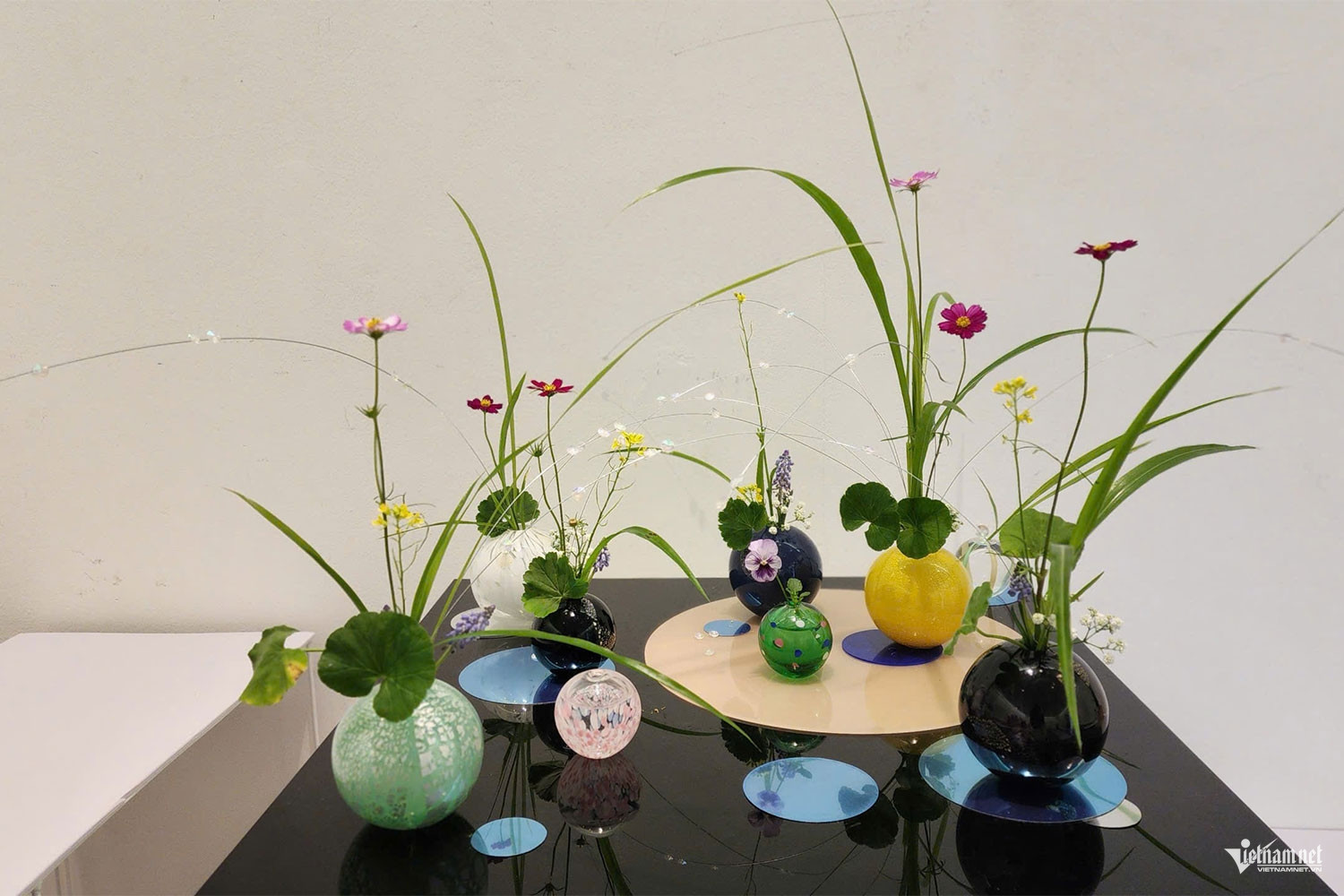
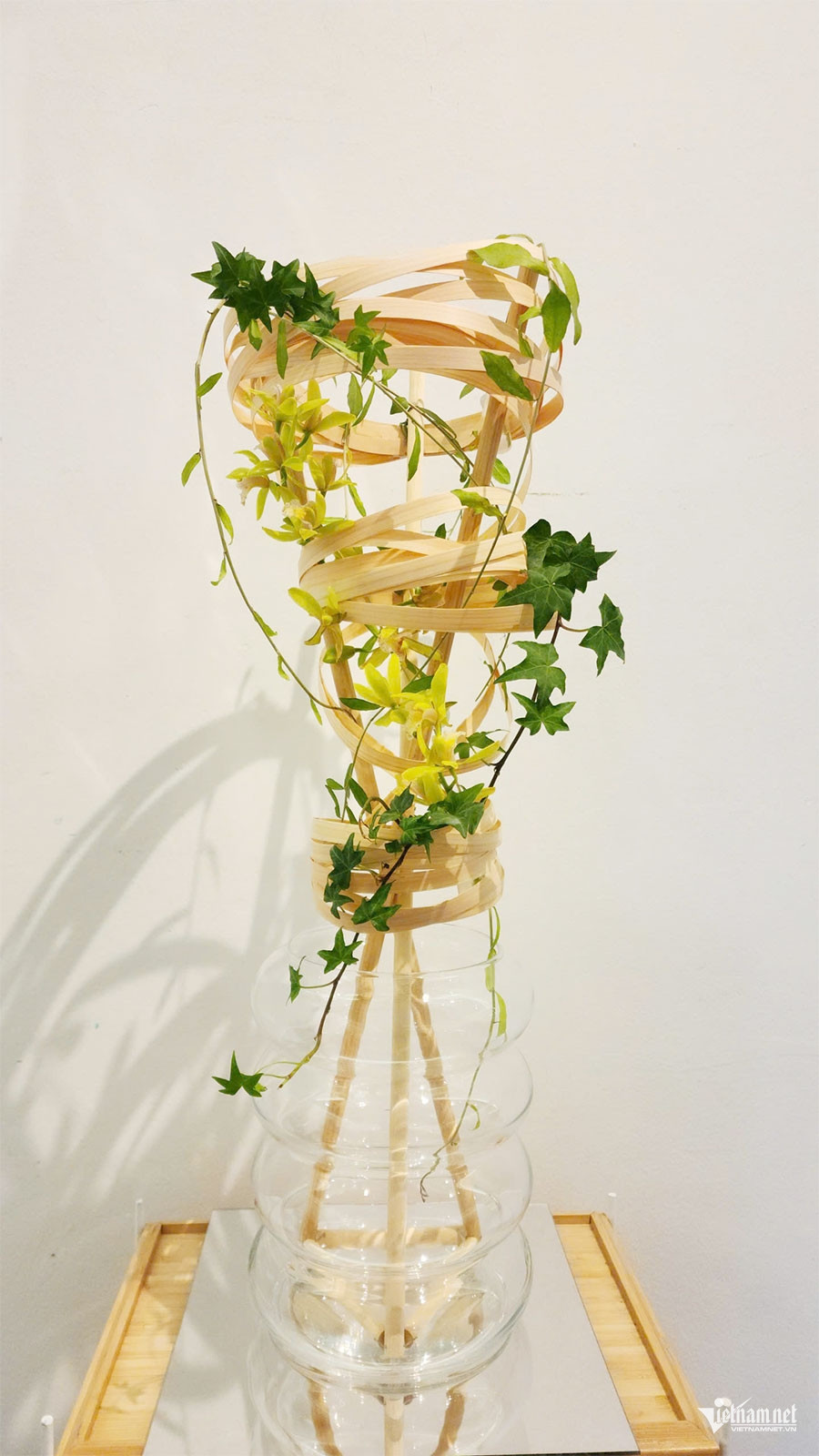
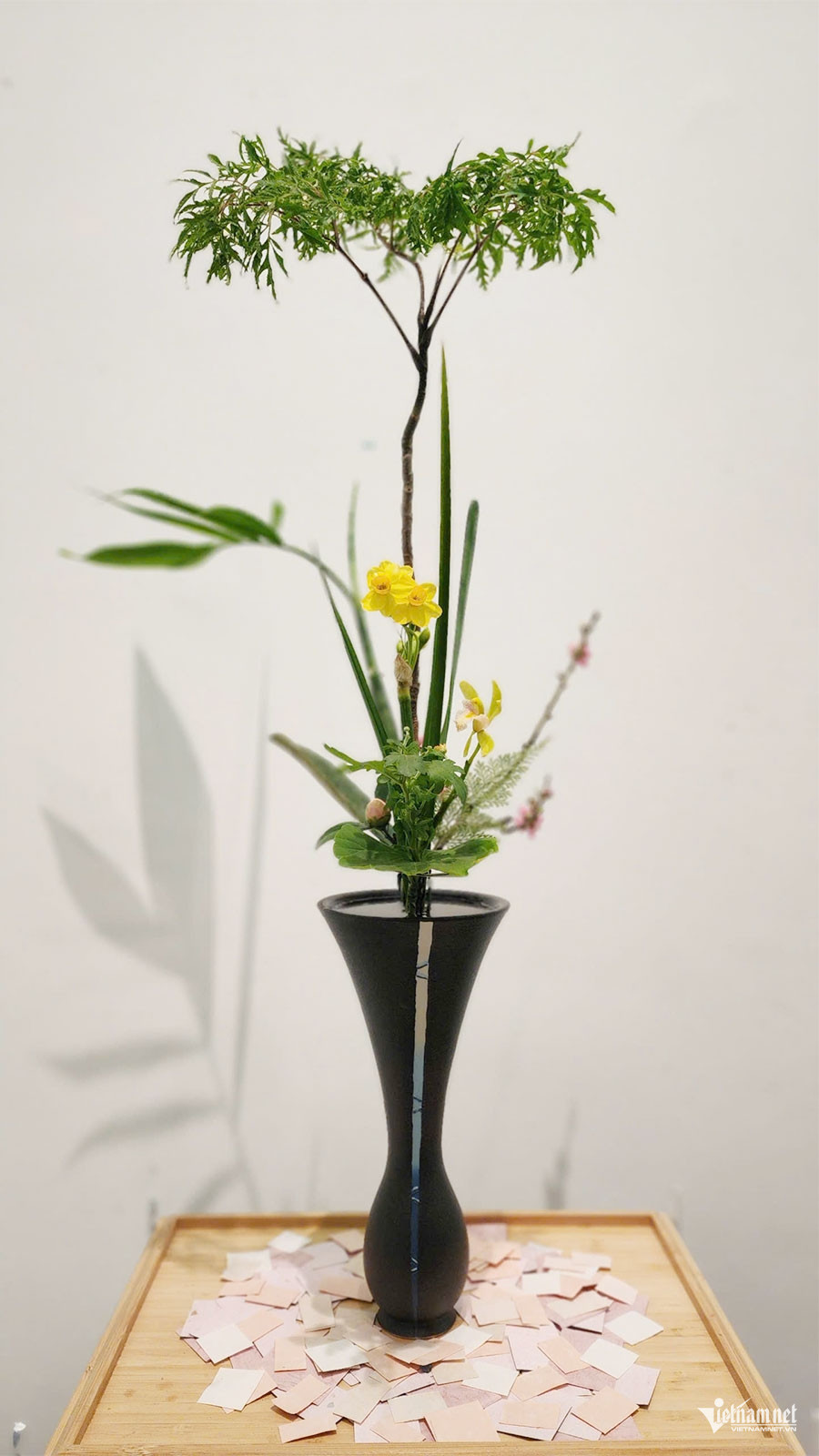
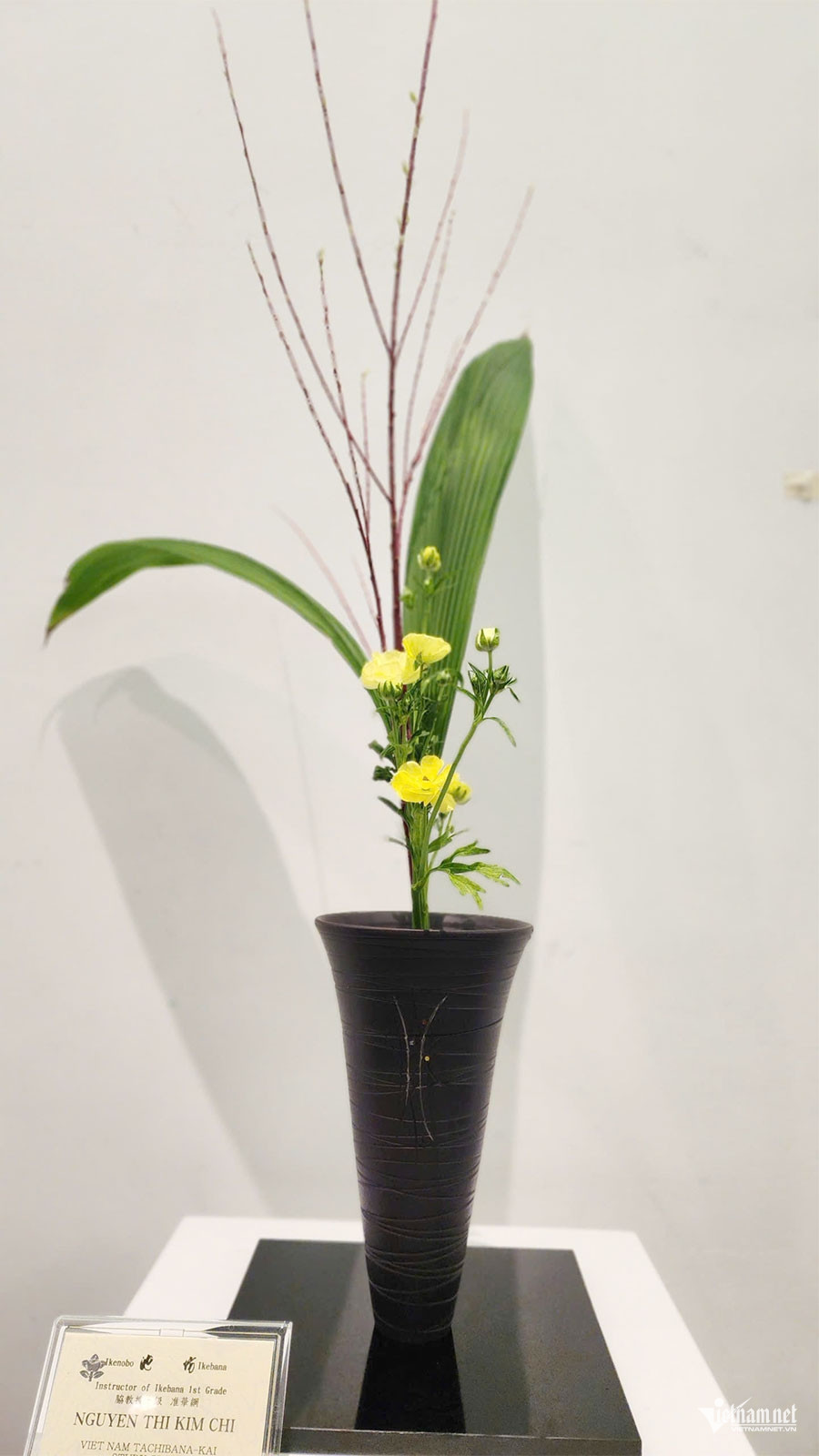
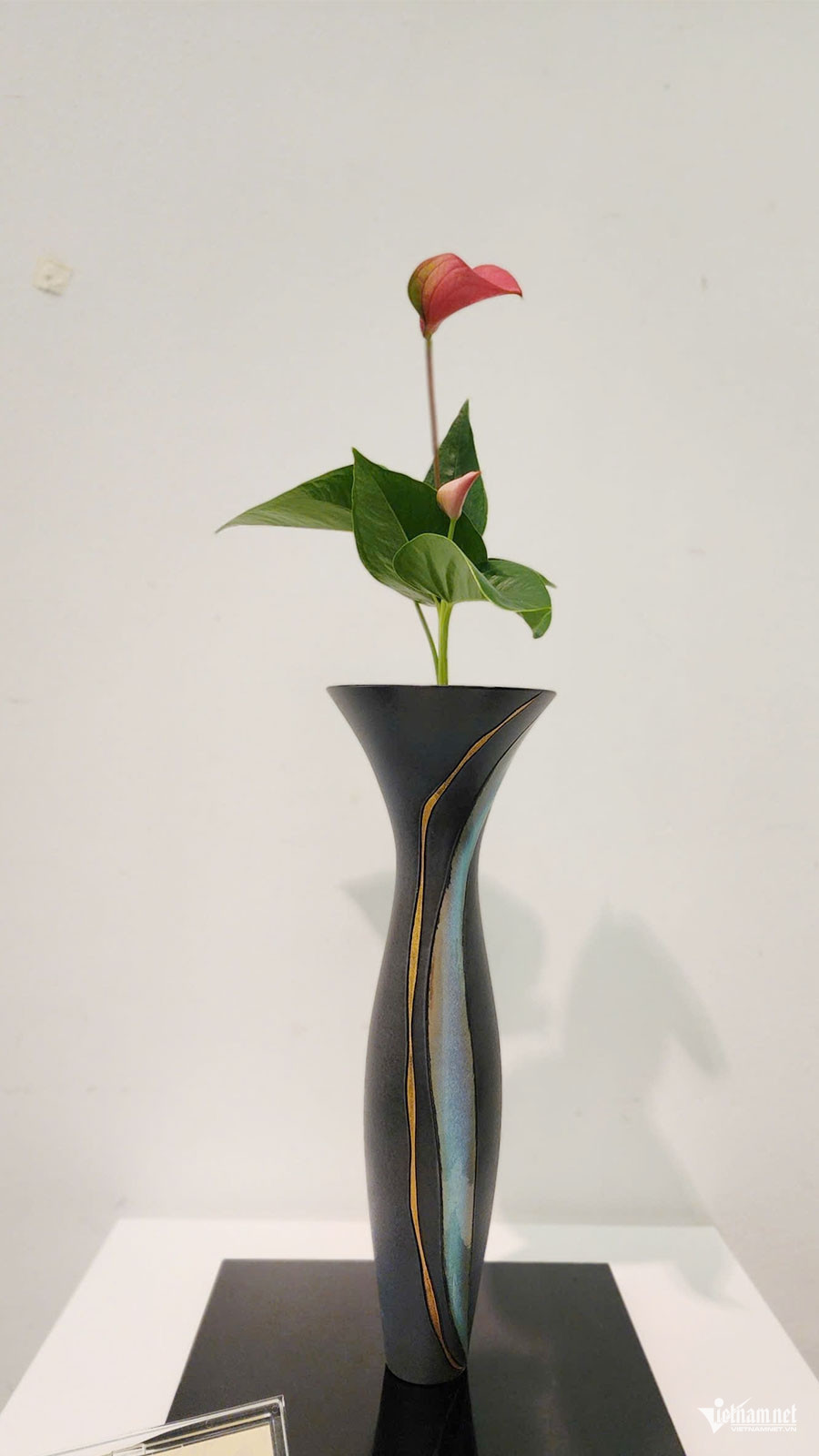
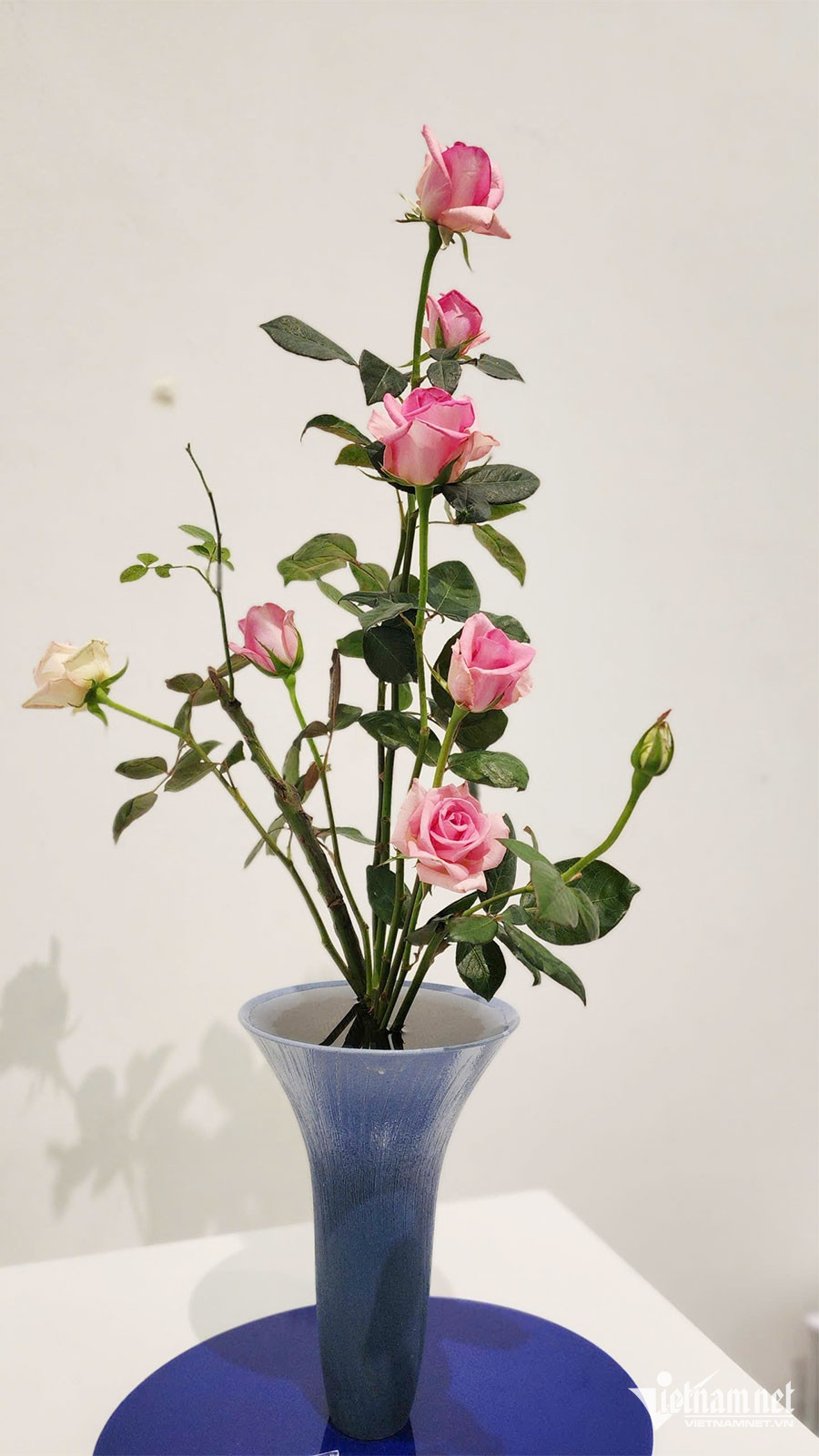
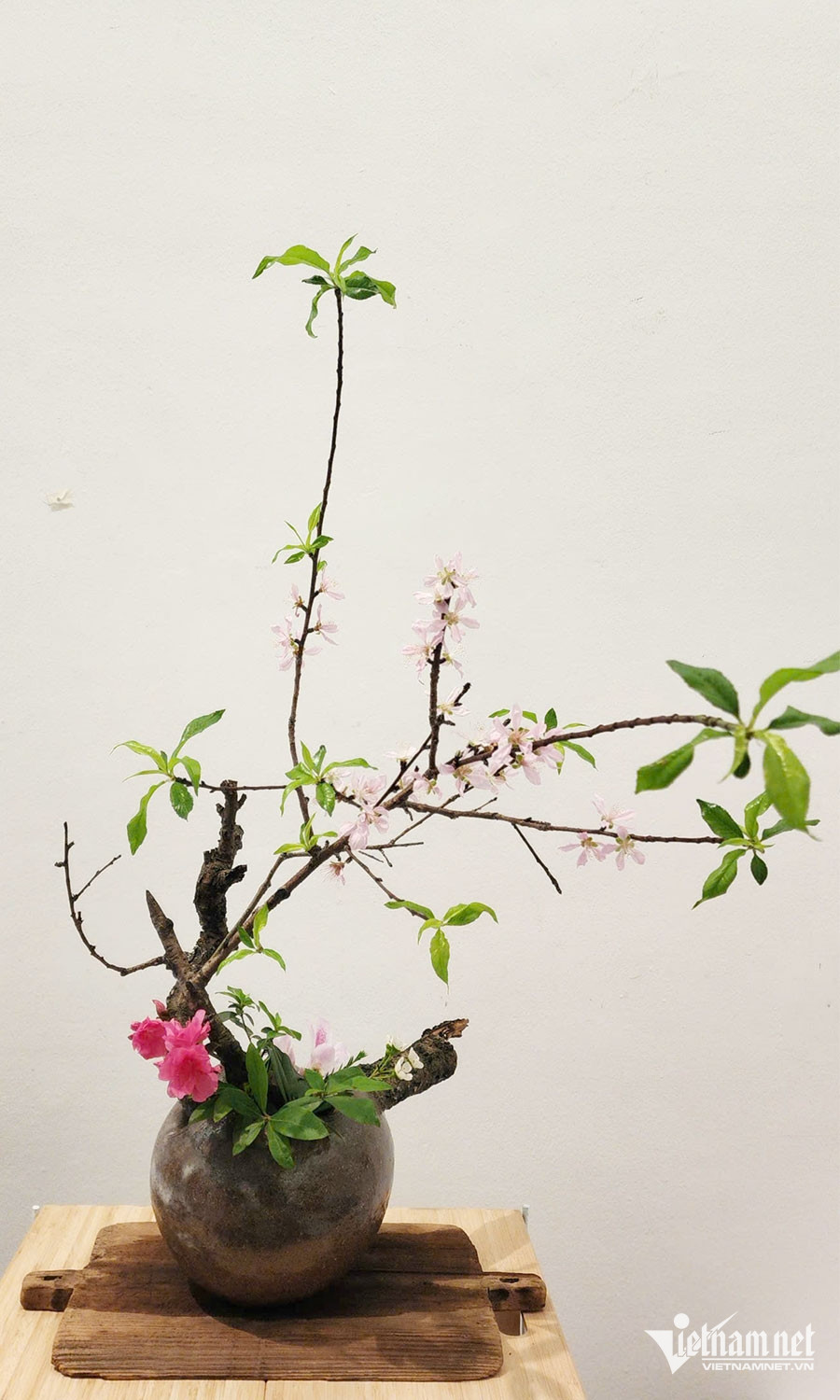
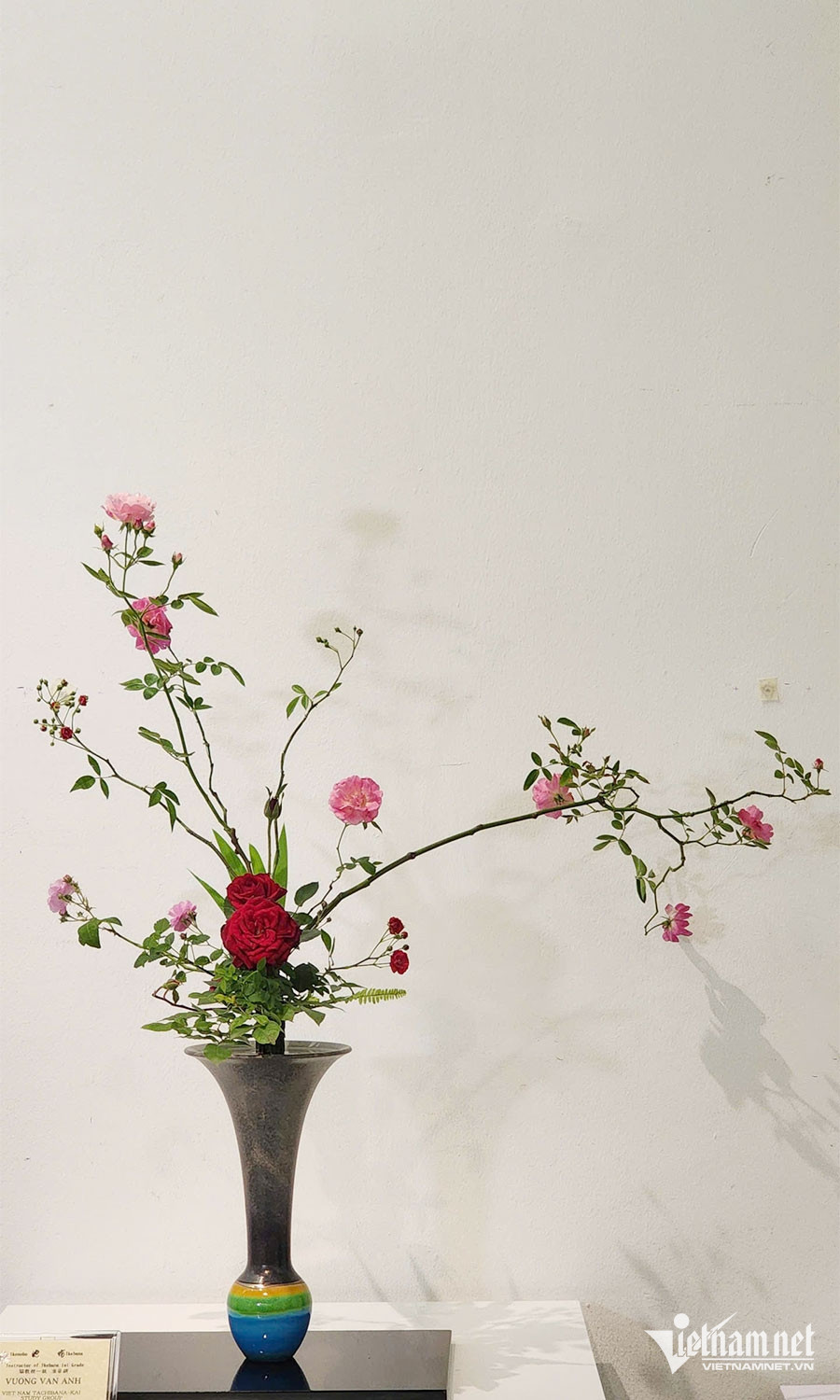
On March 6, the Japanese Ikebana flower arrangement exhibition Gio Dong opened at the Vietnam Fine Arts Museum, offering the public an opportunity to experience the delicate beauty and philosophical depth of Japan’s traditional floral art.
The exhibition is organized by Yohaku, with professional sponsorship from Ikenobo Vietnam Tachibanakai, an officially recognized branch of the Ikenobo Ikebana school.
Le Pham Viet Ha, also known as Abe Hanna, founder and leader of Ikenobo Vietnam Tachibanakai, said the image of the east wind evokes a breeze arriving from the East carrying the breath of spring, symbolizing renewal and new beginnings.
The idea was also inspired by memories of Typhoon Yagi in 2024, a natural disaster that caused severe damage in Hanoi. Instead of recounting loss, Gio Dong chooses to tell a story of recovery, when both nature and people find ways to rise again after adversity.
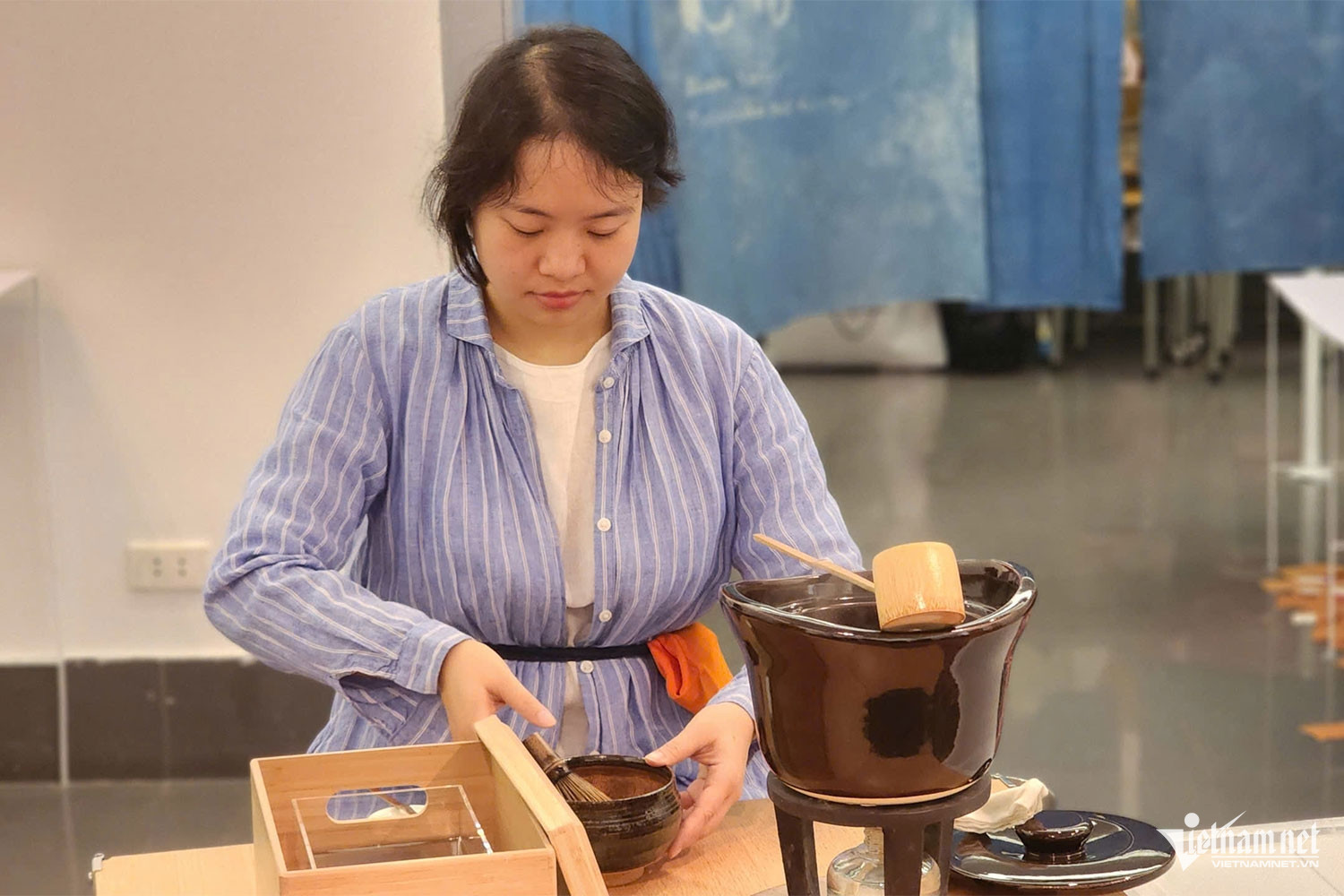
To create a layered experience for visitors, Yohaku invited Toob Studio to design the exhibition space, combining Ikebana displays with an area dedicated to traditional tea ceremony practice.
This combination creates a complete artistic journey where visitors can appreciate the beauty of flowers, the calmness of tea and the slow rhythm of Japanese culture.
Speaking at the exhibition, Nguyen Anh Minh, director of the Vietnam Fine Arts Museum, said it is easy to recognize that the artists have brought many new ideas and creative arrangements to the exhibition space.
“Each work carries its own artistic value, a distinct tone and profound reflections on life. This is what attracts audiences to explore Ikebana more deeply,” he said.
The spirit behind Gio Dong was previously introduced through earlier exhibitions such as Nhan Ra in April 2023 and Mach Lac in September 2024. Each exhibition reflects the growing maturity in thinking and practice within the Ikebana community.
Oshima Akiko, a teacher of both Ikebana and Japanese tea ceremony, shared that these traditions are deeply connected to Japanese language and culture.
“I am deeply moved to meet Vietnamese friends who love Japanese culture and hold a special affection for Ikebana. Together we have shared experiences and patiently practiced this art,” she said.
The exhibition runs until March 8 at the Vietnam Fine Arts Museum.
.svg)
