 Vietnamnet.vn

 Podcast



This morning, the National Assembly discussed the draft amendment to the Law on Execution of Criminal Judgments.
The revised bill introduces a provision allowing inmates to donate tissues and organs, benefit from policies under the law on human organ donation, and store eggs or sperm in accordance with the law.
According to delegate To Van Tam from Quang Ngai, the proposed provision reflects a progressive and humane development in legislation. It upholds the fundamental rights of individuals, even while they are serving prison sentences.
He noted that this measure respects the dignity of inmates and reflects the shift in Vietnam’s criminal justice management philosophy – one that emphasizes education, rehabilitation, and respect for human dignity, rather than mere punishment.
However, the delegate also stressed the need for tighter regulations to ensure proper implementation and to prevent abuse or exploitation of this right.
Delegate Pham Van Hoa from Dong Thap proposed that organ donors undergo a health check-up, emphasizing that “if a donor becomes malnourished or suffers long-term illness after donation, it would be a burden not only to society but also to their family.”
Regarding the storage of eggs and sperm, Hoa believed it would be more complex than organ donation due to technical demands and the time required. He urged a careful study to ensure safety and minimize costs.
Delegate Nguyen Thanh Sang from Ho Chi Minh City also regarded the proposal as profoundly humane and meaningful, reflecting the wishes of families and contributing to society. However, he highlighted the sensitive nature of the issue, given that the donors are incarcerated individuals.
He pointed out that the current draft does not comprehensively assess the political, social, and legal impacts, nor the conditions to ensure implementation - especially regarding the inmate’s health, work, and rehabilitation after donation.
Sang proposed that inmates should only be allowed to donate organs or tissues to close relatives such as grandparents, parents, uncles, aunts, or siblings. He also recommended several stringent conditions, including voluntary donation without profit motives, good health, and a remaining prison term of five years or less.
Inmates may donate organs if all conditions are satisfied
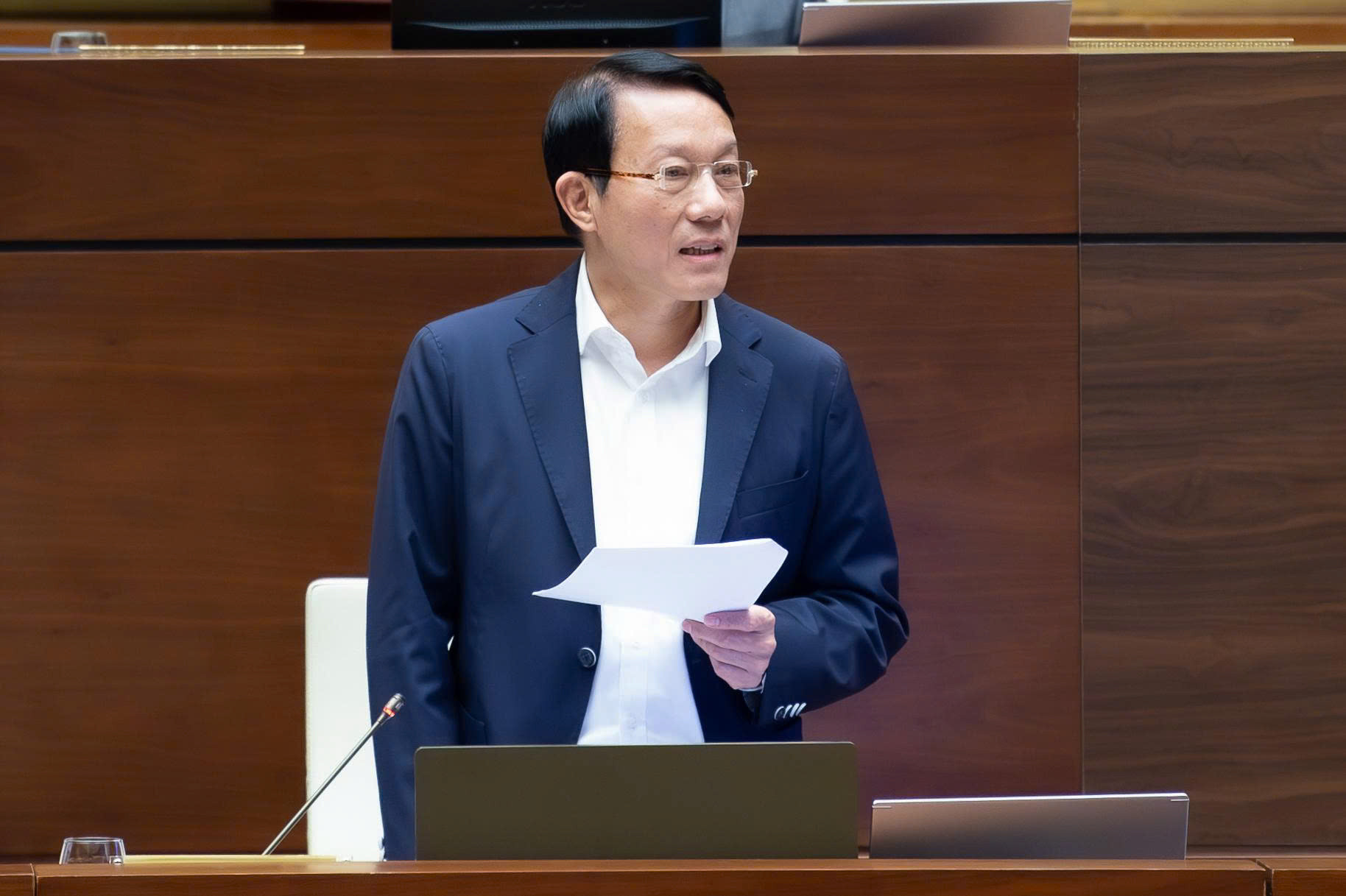
Responding to the concerns, General Luong Tam Quang, Minister of Public Security, said the drafting body will work with the reviewing agency to revise the bill based on the principle that inmates may donate tissues and organs if all required conditions are satisfied.
According to the minister, the conditions include voluntary donation, having good enough health to undergo the procedure and continue serving the sentence afterward, and covering all related medical and care costs independently.
Additionally, only inmates convicted of minor or less serious offenses, first-time offenders, and those serving sentences of under three years may be eligible. They must also be donating to a close relative.
Regarding the right to store reproductive cells, Quang acknowledged the feedback from some deputies who appreciated the humanitarian intent but doubted its feasibility due to the high medical requirements, significant cost, and difficulty implementing it in detention facilities.
He stated that the drafting body views the provision as a progressive and humane policy. However, in light of the concerns raised, the ministry will carefully coordinate with the reviewing agency to thoroughly examine and revise the proposal before submitting it to the National Assembly for approval.
Tran Thuong
.svg)
