 Vietnamnet.vn

 Podcast



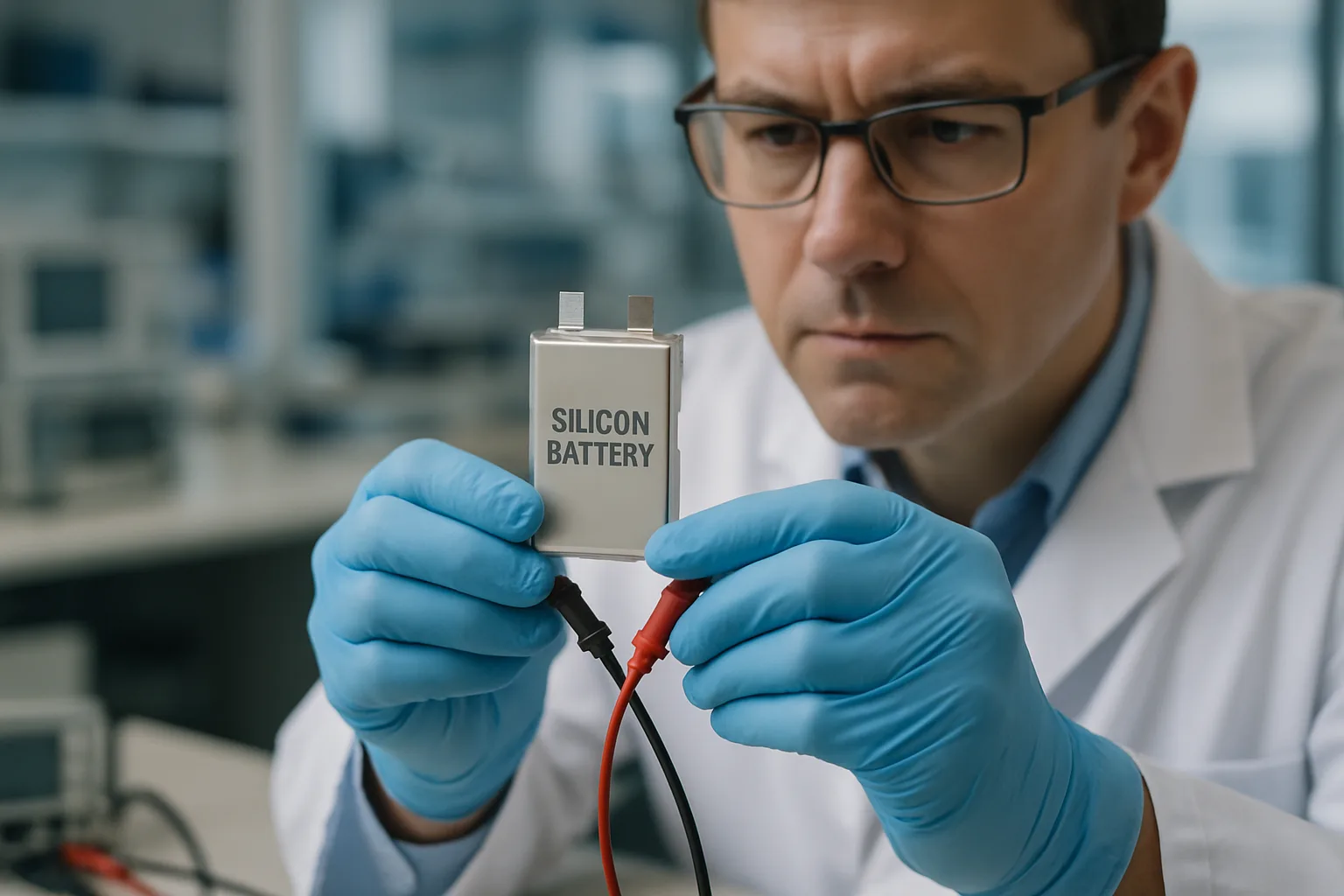
Multiple sources suggest that the upcoming iPhone 18 Pro Max could be the first Apple smartphone to feature a silicon-based anode battery, enabling a significant capacity increase - potentially around 6,000mAh, up from the iPhone 17 Pro Max’s 5,088mAh.
For years, Apple has been perceived as trailing behind in the battery race. While Chinese manufacturers roll out phones with 10,000mAh silicon–carbon packs and Samsung explores solid-state batteries for wearables, Apple has kept a low profile. But under the radar, the company appears to be developing its own game-changing battery tech.
Patents point to silicon breakthrough
Apple holds multiple active patents related to battery chemistry, including a 2019 filing titled “Porous silicon structure bound for anode material” - which describes a design using nano-silicon particles coated with carbon. This layered structure allows for higher energy density while mitigating the risks of silicon expansion during charging.
Silicon can store far more energy than traditional graphite - up to 1,300 Wh/kg, compared to 200–280 Wh/kg in current lithium-ion batteries. But it expands up to 300% when charging, risking battery failure or fires. Apple’s patented approach contains this expansion, making high-silicon content anodes viable.
Another Apple patent hints at a “metal can” battery enclosure, a technique that reinforces the battery and improves safety. Experts like Gene Berdichevsky of Sila Nanotechnologies say this could be the missing piece in bringing nearly pure-silicon anodes to mainstream smartphones.
A reasonable first step: 6,000mAh?
While Apple is unlikely to debut radical new chemistry overnight, insiders believe the iPhone 18 Pro Max could introduce the first commercial step in this direction: a 20% increase in battery capacity, likely still within the existing chassis size.
That would place the battery at around 6,000mAh, a moderate yet meaningful boost - especially when paired with iOS power optimizations and a more efficient A18 chip.
A symbolic launch window
There’s also symbolic weight to the timing. The iPhone 18 series, expected in 2027, will mark 20 years since the original iPhone. According to Korean tech site etnews, Apple is planning multiple firsts for that release, including under-display cameras and next-gen battery systems.
If the silicon battery rumor proves true, it could be Apple’s boldest move since the iPhone X, which redefined smartphone design during the iPhone’s 10th anniversary.
For users, the shift could finally bring multi-day battery life to Pro Max iPhones - a feature long associated with Android flagships. More importantly, it sets the stage for further leaps, possibly toward solid-state or hybrid batteries by the end of the decade.
Apple may not be first, but with its engineering discipline and focus on safety, it could be the first to scale next-gen batteries successfully in hundreds of millions of devices.
Hai Phong
.svg)
