 Vietnamnet.vn

 Podcast



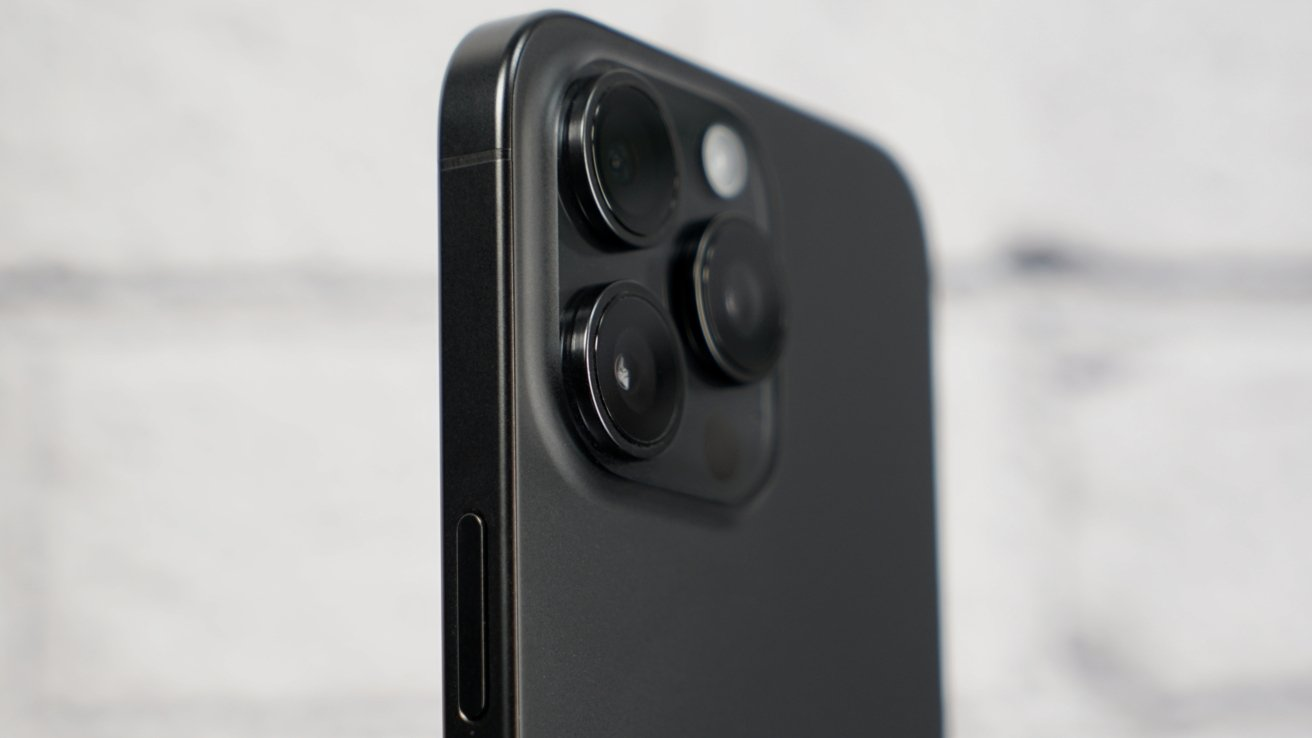
If the iPhone 18 Pro Max returns with a titanium frame, it would be a somewhat surprising move, given the material previously raised concerns over cost, heat management and weight during real-world use.
According to a May 17 post on Weibo by leaker Instant Digital, Apple is still researching new titanium alloys for future high-end iPhones rather than abandoning the material entirely.
The source also claimed Apple continues experimenting with liquid metal - a metallic glass alloy - alongside glass frame designs for future iPhone models.
Although Instant Digital has previously shared some accurate Apple-related information, including details about the Camera Control feature before its official launch, the account’s overall prediction history remains inconsistent.
More importantly, Apple has never publicly confirmed any plans regarding material changes for upcoming iPhone generations.
Apple changes materials whenever design priorities change
Looking back at Apple’s hardware history, the company has never remained fully committed to a single material. Most transitions have been driven by engineering goals, manufacturing capabilities and user experience rather than luxury branding alone.
Aluminum once replaced plastic across many MacBook models because it offered greater durability and a more premium finish.
Later, stainless steel became the defining material for high-end iPhones thanks to its solid feel and polished appearance.
Then came the iPhone 15 Pro, where Apple switched to titanium in an effort to reduce weight while maintaining durability.
During the iPhone 15 Pro marketing campaign, Apple heavily promoted titanium as one of the device’s most important design highlights.
However, Apple’s history also shows the company is willing to abandon heavily marketed technologies if the engineering compromises no longer make sense.
The Butterfly keyboard, Touch Bar and FineWoven accessories were all introduced with ambitious promises before quietly being phased out.
Titanium is not a perfect material either. While lightweight and durable, it is significantly more difficult to manufacture than aluminum, more expensive to produce and notably less efficient at dissipating heat.
Heat management is becoming increasingly important for iPhones
Soon after the iPhone 15 Pro launched, many users reported the device heating up quickly during demanding tasks.
At the time, Apple attributed the issue to software optimization and certain third-party applications.
Still, thermal performance quickly became one of the most discussed topics surrounding the device.
Modern smartphones are handling increasingly intensive workloads, from AAA gaming and high-resolution video recording to AI-assisted photo editing and on-device processing.
Sustained performance now depends heavily on how effectively a device can release heat.
In that context, aluminum remains one of the most practical and efficient materials available. It conducts heat well, scales easily for mass production, is highly recyclable and offers greater flexibility for thin and lightweight designs.
That is why Apple’s reported switch to aluminum for the iPhone 17 Pro likely reflects a new priority: optimizing thermal performance and efficiency rather than focusing purely on premium materials for marketing appeal.
At the same time, a future return to titanium would not necessarily mean Apple considers aluminum a failure. Instead, it could suggest the company has found ways to overcome enough of titanium’s weaknesses to make the material viable again without compromising user experience.
Liquid metal and glass frames remain a distant possibility
Beyond titanium, the leak also claimed Apple continues exploring liquid metal and glass frame designs for future high-end iPhones.
In reality, Apple has spent years researching liquid metal and holds numerous patents related to the material. However, using it for an entire iPhone frame remains an enormous manufacturing challenge.
Liquid metal currently appears mostly in smaller components because scaling production introduces major concerns involving durability, molding and repairability. Even the leak itself acknowledged those difficulties.
That said, liquid metal may be better suited for foldable devices. Hinges on foldable smartphones require extremely durable materials capable of operating within very tight spaces, making liquid metal a far more realistic candidate there than for a full device chassis.
Meanwhile, the concept of an all-glass iPhone frame remains largely speculative.
Glass could improve wireless signal transmission and open new design possibilities, but durability and repairability would remain major obstacles for a mass-market device like the iPhone.
Across today’s smartphone industry, factors such as battery capacity, cooling systems and internal component layout are influencing design decisions more than frame materials alone.
Most users are more likely to notice a phone that feels lighter, runs cooler or delivers better battery life than whether its frame is made of titanium or aluminum.
If Apple does eventually bring titanium back to the iPhone 18 Pro or future generations, it will likely happen only after the company has resolved the heat, weight and cost issues that may have pushed it toward aluminum in the first place.
Hai Phong
.svg)
