 Vietnamnet.vn

 Podcast



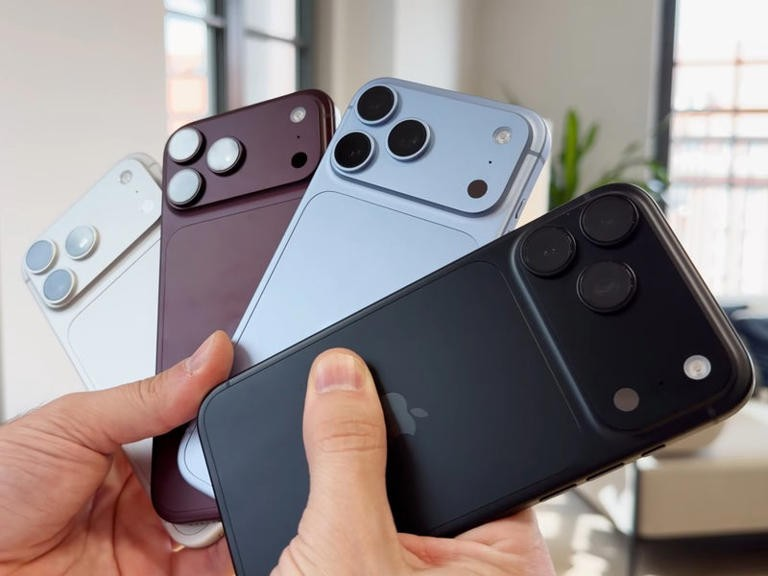
According to a supply chain leak, Apple initially planned to equip its three premium smartphones for 2026, the iPhone 18 Pro, iPhone 18 Pro Max and foldable iPhone Duo, with up to 16GB of RAM.
However, a global memory shortage, driven largely by the rapid expansion of artificial intelligence (AI) data centers, is believed to have contributed to the company's decision not to proceed with the upgrade.
Earlier leaks suggested that increasing RAM to 16GB would allow the new iPhones to deliver stronger on-device AI performance, bringing them closer to flagship Android smartphones such as Samsung's Galaxy S Ultra series.
With memory chip prices surging, however, Apple has retained 12GB of RAM in both iPhone 18 Pro models, while the iPhone Duo is also expected to feature the same capacity.
Even at 12GB, the memory is considered essential for handling the increasingly complex processing demands of Apple's Siri virtual assistant and Apple Intelligence features.
Rising production costs have also affected pricing. The iPhone 18 Pro and iPhone 18 Pro Max are priced $100 higher than their predecessors.
Meanwhile, the iPhone Duo starts at $1,999, below earlier expectations of around $2,300.
Reports suggest Apple has absorbed part of the increased production costs to make its first foldable smartphone more appealing to potential buyers. Nevertheless, the device remains a premium-priced product.
Analysts say the smartphone industry is facing a difficult paradox: manufacturers need more RAM to support increasingly sophisticated AI features, yet the rapid growth of AI infrastructure is itself driving up memory prices.
With smartphone prices rising while hardware improvements remain relatively incremental, some technology experts suggest that consumers who already own recent iPhone models may have little reason to upgrade immediately this year.
Du Lam
.svg)
