 Vietnamnet.vn

 Podcast



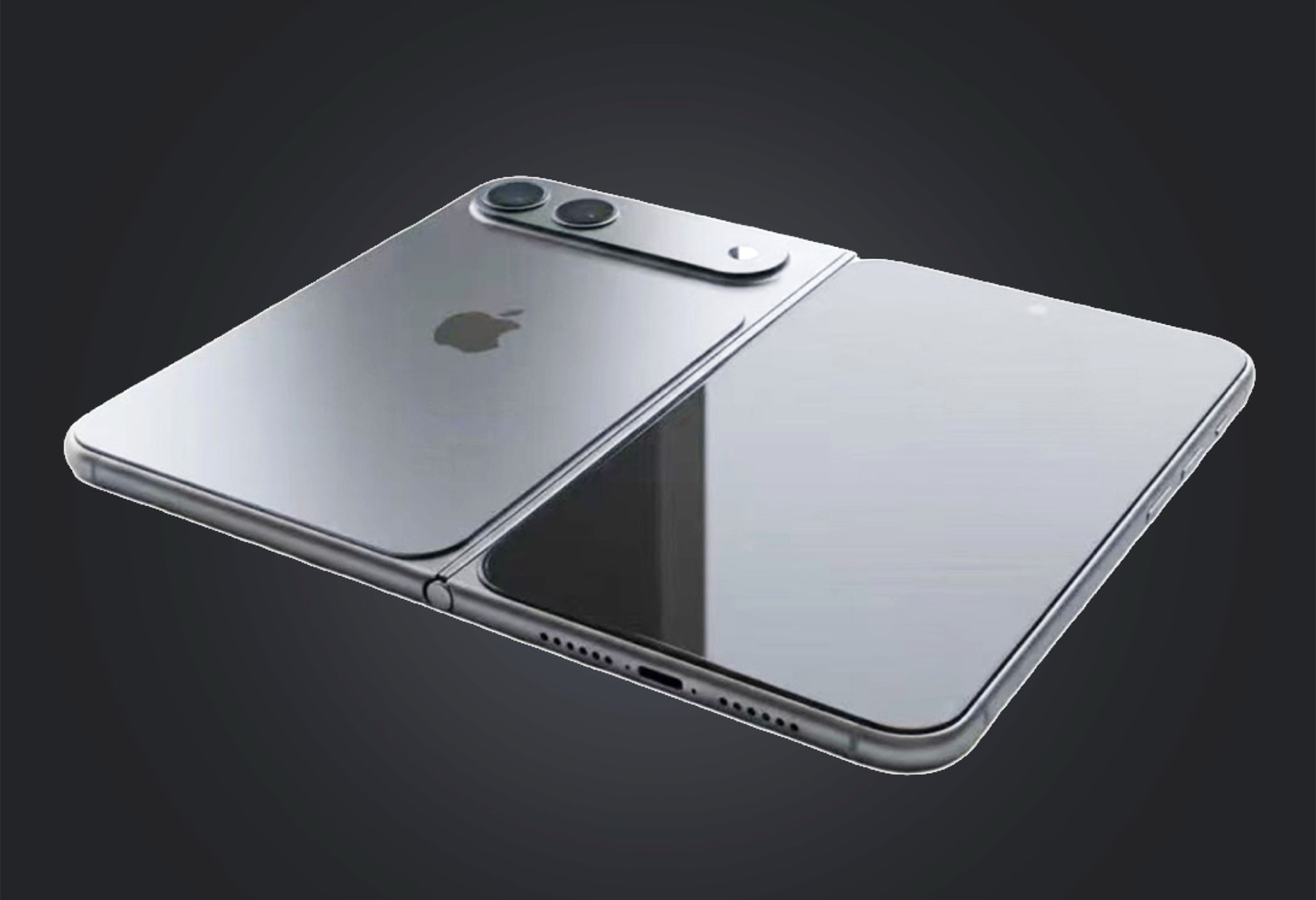
Multiple sources suggest that Apple is planning to launch its first foldable iPhone model in fall 2026, alongside the iPhone 18 Pro series.
However, while the launch announcement may stay on schedule, the actual product rollout could tell a different story.
Production challenges and delays in scaling up manufacturing could result in iPhone Fold arriving much later than originally hoped.
Limited supply expected after launch
In a new research note, well-known analyst Ming-Chi Kuo reported that Apple is behind schedule in the iPhone Fold’s development process.
Although the company is likely to introduce the foldable phone in the second half of 2026, shipments may be impacted due to low component yields and difficulties in ramping up mass production.
These manufacturing issues could lead to an extremely limited supply of iPhone Fold units in the initial months following release.
According to Kuo, a combination of low output and very high demand may leave the iPhone Fold in short supply until at least the end of 2027.
For a completely new and iconic product like Apple’s first foldable phone, this is a scenario the company is desperate to avoid.
Kuo’s latest assessment contrasts with previous reports, which had painted a more optimistic timeline.
Earlier sources claimed the iPhone Fold had already passed the prototype testing phase and was moving toward pre-production validation.
Leaked CAD drawings even revealed detailed dimensions of the device, fueling speculation that it was close to being finalized.
But if Kuo’s analysis holds true, Apple may still be facing major technical hurdles that were previously underestimated.
A unique foldable design with no visible crease
Rumors suggest that the iPhone Fold will feature a book-style design, with a 5.5-inch outer screen and a 7.7-inch main display on the inside.
What sets it apart is Apple’s ambition to eliminate the visible crease seen in most current foldables - a challenge Android competitors have yet to solve fully.
This ambitious design may also be what’s complicating production. Creating a durable, ultra-flat foldable display that meets Apple’s high quality standards is no easy feat - especially in the early stages of mass production.
Unsurprisingly, iPhone Fold is expected to be Apple’s most expensive smartphone yet, with prices ranging from USD 2,000 to USD 2,500.
Fierce competition in a crowded foldables market
While Apple works through its supply chain puzzle, competitors are forging ahead.
Huawei, currently the market leader for foldables in China, recently launched the Mate X7 and plans to release the Pura X2 early next year.
Samsung is preparing for its next flagship foldable, the Galaxy Z Fold 8, following the success of the Z Fold 7.
Motorola is also rumored to be developing a foldable book-style phone for 2026.
Apple will be entering a competitive arena where users already have several choices - and sky-high expectations.
Any early missteps in supply or quality could erode Apple’s edge before the race even begins.
iPhone Fold is undoubtedly one of the most anticipated smartphones of 2026. But if Apple can’t deliver enough units to meet demand, its grand entrance could quickly become a missed opportunity.
Especially as the company continues to recover from underwhelming responses to Apple Intelligence and iPhone Air, another setback could damage its image as an innovation leader.
In this context, Apple may prioritize product stability and perfection over a rushed release. With iPhone Fold, there’s simply no room for mistakes.
Hai Phong
.svg)
