 Vietnamnet.vn

 Podcast



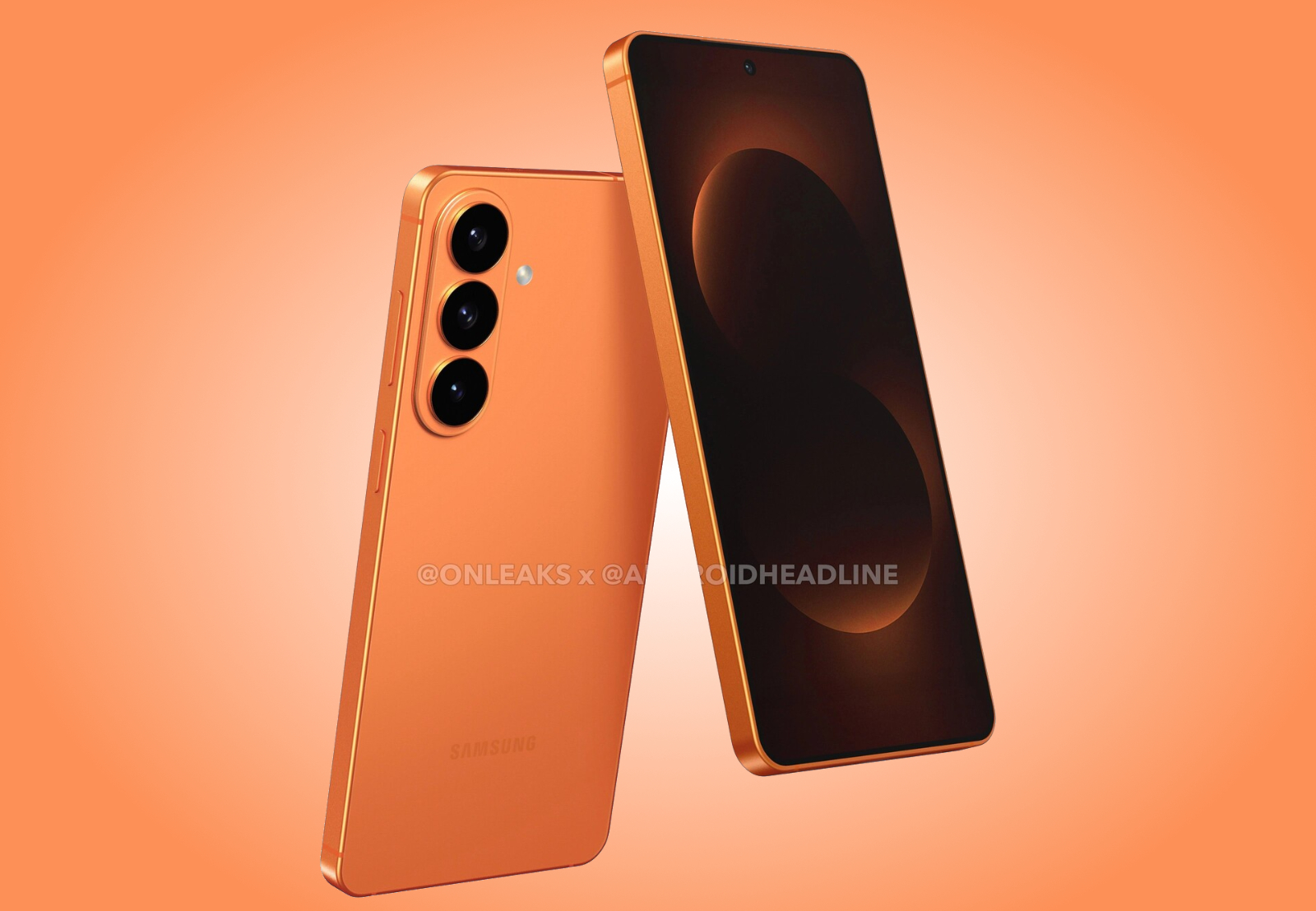
Samsung leads the world in display technology, supplying panels for nearly every high-end smartphone. But it has reserved a key innovation for the Ultra: a premium anti-reflective coating, first introduced on the S24 Ultra.
In an era when smartphones are reaching extreme brightness levels, the next key concern isn’t brightness anymore - it’s how visible the screen is outdoors, which heavily depends on surface reflectivity.
Samsung knows this. Yet, it still refuses to bring the anti-glare coating to the S26 Plus. Quietly, the reason might be to push consumers toward the more expensive Ultra.
But the S26 Plus is not cheap either. Its price still falls within the $1,000 flagship tier.
Just this one upgrade could persuade many iPhone or Pixel users to seriously consider switching to Galaxy.
Time for a real telephoto camera
The Ultra’s dual zoom system looks impressive on paper, but in practice, it often feels excessive.
Most users are perfectly happy with a single telephoto camera backed by smart sensor cropping.
In fact, most Chinese flagships now go with a single 3X or 4X zoom lens paired with a large sensor, delivering quality on par with dual zoom systems.
The S26 Plus still uses a lone 3X lens, but the sensor is now severely outdated and small, leading to visibly poor low-light performance.
The S26 Plus doesn’t need to ditch the 3X zoom, but it does need a bigger sensor, better aperture, and ideally, macro telephoto capabilities.
Just a few adjustments like these would elevate the S26 Plus. A good telephoto camera is more useful than the overkill dual-zoom setup on the Ultra.
Bigger battery: No more excuses
The S26 Ultra has to sacrifice battery size to make room for the S Pen - that much is obvious.
But if Samsung insists on keeping the stylus inside the Ultra, then the S26 Plus needs to get battery priority.
And users can no longer pretend that “optimization” alone is enough.
What people really need is a physically larger battery with higher density, one that can last longer no matter how the phone is used. Silicon-carbon battery tech is clearly the right path, and Samsung should embrace it boldly.
Qi2 charging should be standard
The delay in adopting Qi2 wireless charging is genuinely frustrating. But now that the Pixel 10 supports it, Samsung should catch up and bring Qi2 to the Galaxy S26 series.
The magnetic auto-alignment isn’t just a flashy gimmick. It’s about real convenience - drop the phone and it charges instantly, perfectly aligned. It also helps when using the phone in a car or while on the move.
Qi2 would also allow Samsung to increase its wireless charging speed, which currently lags behind at just 10–15W, while competitors have moved on to 25W. With magnetic alignment, higher speeds become more stable and safer.
The selfie camera deserves more attention
It’s time to stop neglecting the front camera. Selfies aren’t just for social media anymore - they’re for video calls, meetings, quick snaps while traveling, or group shots.
Samsung’s front-facing camera still has a narrow field of view, making group selfies awkward. Meanwhile, the iPhone 17 has proven there are innovative ways to improve - like using a square sensor that lets you rotate photos without rotating the phone.
Samsung needs to keep up.
A physical shutter button would be a game-changer
It might sound controversial, but it’s strange that a device so often used for photography still lacks a dedicated shutter button - yet the Ultra always has space for the S Pen.
After years of using iPhones, many users have developed a natural reflex to press a button to open the camera and snap a quick shot. Plenty of Samsung fans would love that same feeling on Android.
Samsung doesn’t need to copy Apple exactly, but at least offer a programmable physical button. It delivers a faster, more intentional shooting experience than tapping the screen.
If Samsung truly wants the Galaxy S26 Plus to be a flagship worth buying, now is the time to invest seriously. Users have waited long enough for a Plus version that truly lives up to the name.
Hai Phong
.svg)
