 Vietnamnet.vn

 Podcast



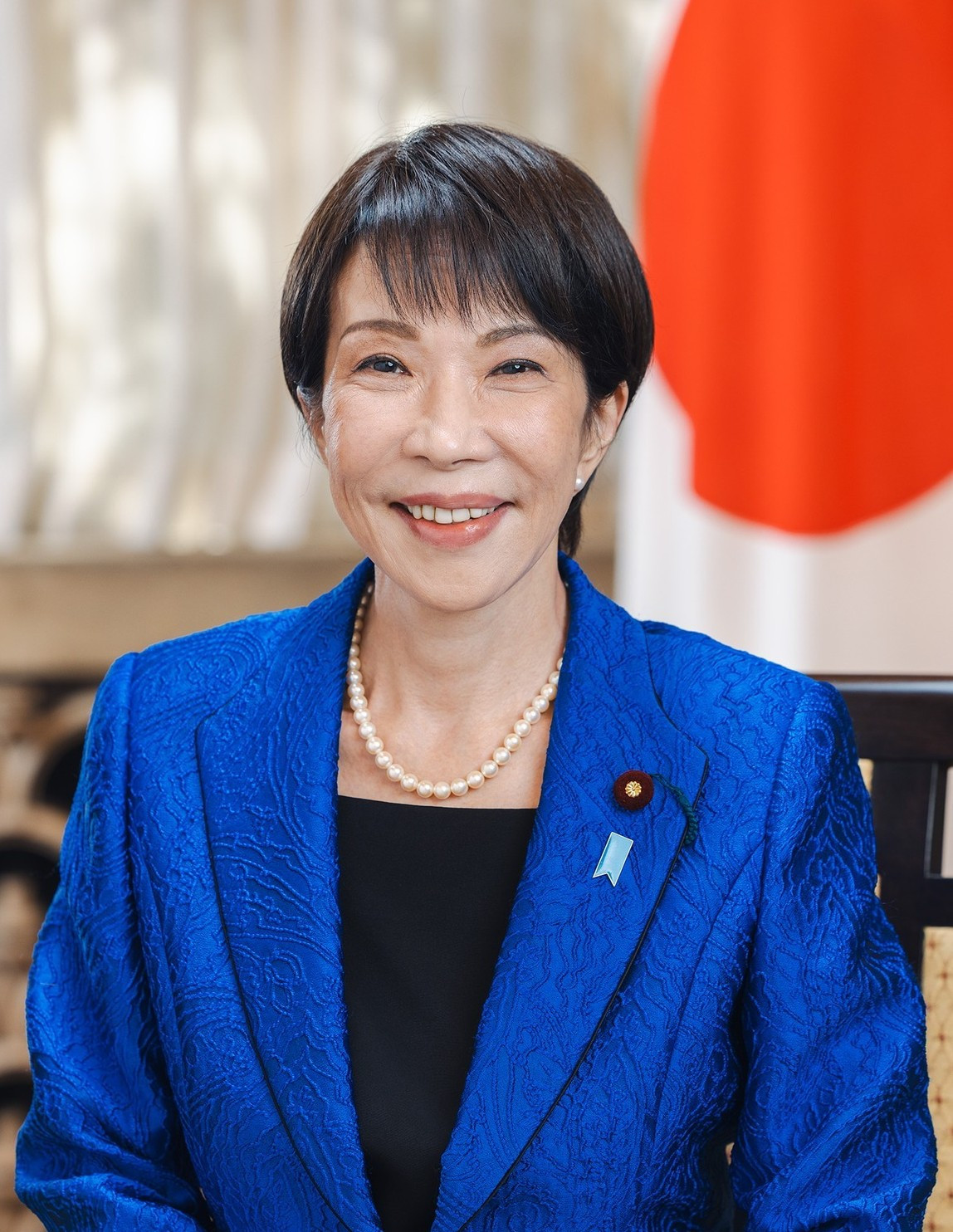
This will be her first visit to Vietnam in her capacity as Prime Minister. Previously, she visited the country in January 2020 as Japan’s Minister of Internal Affairs and Communications.
The visit comes as Vietnam has recently consolidated key leadership positions within its state apparatus. Japanese Ambassador to Vietnam Ito Naoki noted that the trip reflects both Prime Minister Takaichi’s personal commitment and the Japanese government’s high regard for relations with Vietnam.
The visit aims to strengthen political trust between the two countries’ leaders and review the Comprehensive Strategic Partnership that Vietnam and Japan have developed in recent years. Leaders are also expected to reaffirm key areas of cooperation, including economic collaboration, energy and people-to-people exchanges.
Japan remains one of Vietnam’s most important economic partners. Cooperation at the local level, as well as in culture, human resource connectivity and people-to-people exchanges, has grown increasingly close and effective.
Japan is Vietnam’s largest provider of official development assistance (ODA), its biggest labor cooperation partner, the third-largest investor, and the fourth-largest partner in both tourism and trade.
Bilateral trade has maintained steady and balanced growth, reaching approximately US$52 billion in 2025 - nearly double the figure recorded in 2014 (US$27.4 billion). In 2025 alone, total trade turnover increased by 11% compared to the previous year.
In January this year, bilateral trade reached US$4.87 billion, up 27.7% year-on-year. As of January 31, Japan had 5,722 valid investment projects in Vietnam with total registered capital of US$78.9 billion, ranking third among 153 countries and territories investing in the country.
In the first three months of the year, around 14,000 Vietnamese workers traveled to Japan, maintaining the country’s leading position among sources of foreign labor.
Vietnam was the first country in the world to officially introduce Japanese language education at the lower secondary level in 2003 and at the primary level in 2019. Japan is also among the largest donors supporting Vietnam’s education and training sector through ODA programs.
Local-level cooperation has been actively promoted, with more than 110 cooperation agreements signed between Vietnamese and Japanese localities.
In 2025, over 810,000 Japanese tourists visited Vietnam, while approximately 680,000 Vietnamese traveled to Japan.
The Vietnamese community in Japan has grown to more than 680,000 people, ranking second among foreign communities. Vietnamese citizens now live, work and study across all 47 prefectures of Japan, with more than 40 Vietnamese associations currently active in the country.
Tran Thuong
.svg)
