 Vietnamnet.vn

 Podcast



Japan's approach goes beyond constructing infrastructure. The aim is to deliver tangible improvements in people's lives and livelihoods while empowering local residents, including ethnic minority communities, to take an active role in development.
The Japan International Cooperation Agency (JICA) outlined this approach at its annual press conference in Hanoi on October 7, reviewing activities from October 2025 to September 2026 and presenting its cooperation priorities for the coming period.
One of the key highlights was JICA's continued commitment to disadvantaged areas, particularly mountainous regions and communities with large ethnic minority populations.
In May 2026, JICA signed two loan agreements totaling approximately 40 billion yen, equivalent to $249.8 million, to develop essential infrastructure across eight northern mountainous provinces.
The investments cover roads, irrigation facilities, water supply systems and river embankments.
The Project for Climate Change Adaptation Infrastructure Development to Support Ethnic Minority Production in the Northern Mountainous and Midland Provinces received a loan of 17.67 billion yen, or approximately $112 million.
A second initiative, the Disaster-Resilient Rural Development Project, was allocated 21.59 billion yen, equivalent to around $137 million.
Local people must take ownership
Speaking to reporters about how the projects would benefit remote areas and ethnic minority communities, Yosuke Kobayashi, chief representative of JICA in Vietnam, said the agency evaluates projects against specific criteria.
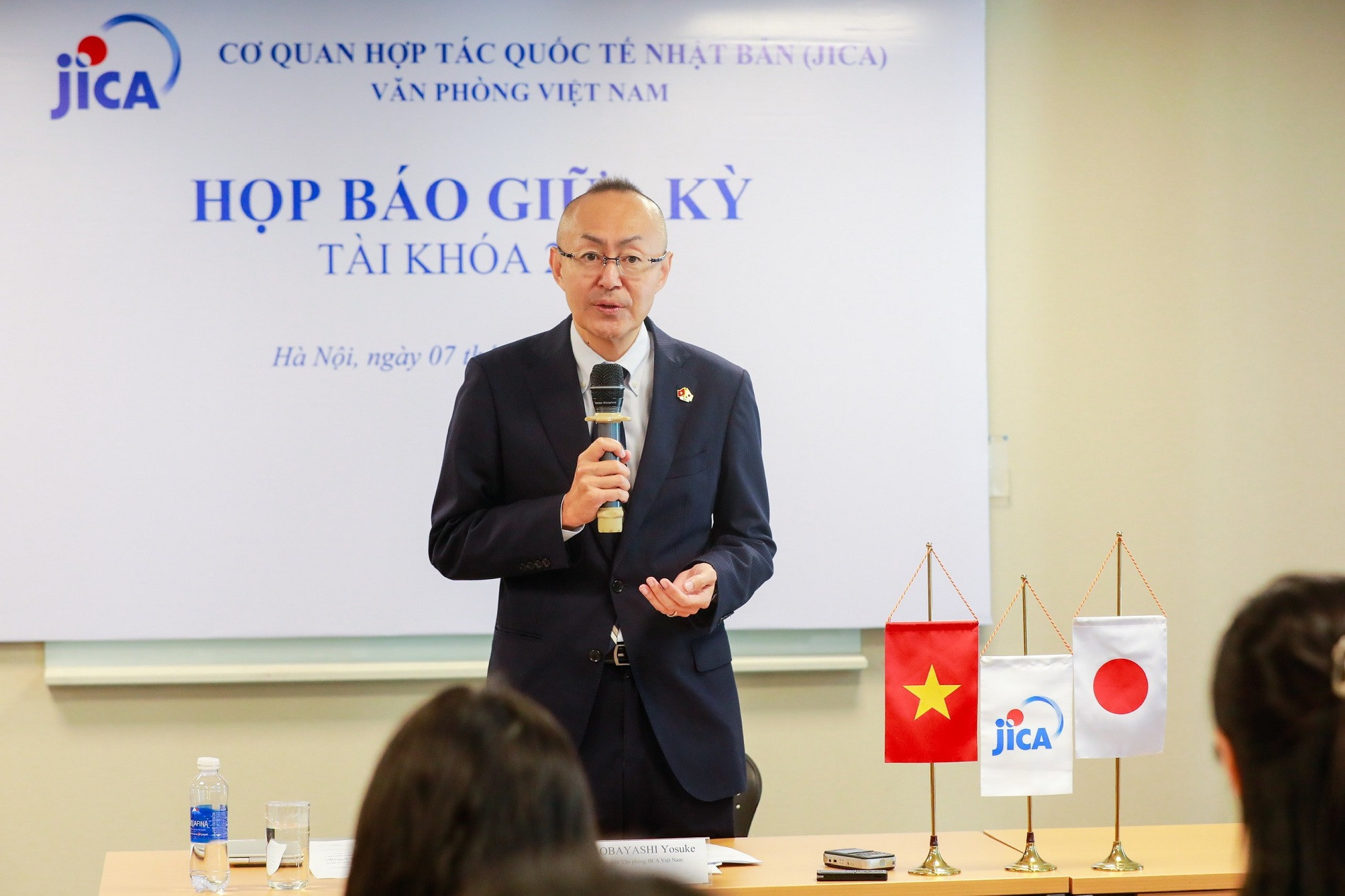
These include their impact on local livelihoods and living conditions, as well as the extent to which community members directly participate in project development.
Under its current cooperation strategy, JICA considers basic infrastructure development in disadvantaged areas an important component of its efforts to support Vietnam's strategic infrastructure.
"But what JICA wants to emphasize is that local people should not simply be beneficiaries," Kobayashi said.
"JICA's approach is not to bring a Japanese model to Vietnam and ask local communities to follow it. Instead, projects should help people rediscover their own cultural resources, identify values that can be developed and propose ways to turn those values into suitable products and livelihoods."
Under this approach, local residents participate directly in shaping projects and generating ideas.
JICA's role is to provide methodological guidance, knowledge and technical expertise to help turn those community-led ideas into practical activities.
The agency said it would continue aligning its cooperation with Vietnam's reform priorities and development needs, including efforts to improve livelihoods among ethnic minority populations.
From agricultural development to disaster resilience
Alongside major infrastructure investments, several JICA initiatives over the past year have focused directly on improving rural livelihoods.
In agriculture, the agency is implementing a project to strengthen safe crop value chains in Vietnam's northern provinces.
Materials released at the press conference highlighted cooperation between JICA experts, local farmers and agricultural cooperatives on production techniques, from seedling cultivation to developing integrated value chains.
Disaster resilience has also become an important area of cooperation.
During 2025-2026, JICA implemented activities involving community-based early warning systems for landslides and debris flows, alongside the application of digital technologies in disaster prevention and response.
These measures are particularly important in mountainous areas, where natural disasters can do more than destroy homes and roads.
A single flood or landslide can also wipe out farmland and deprive an entire household of its livelihood.
More than 80 projects and programs under way
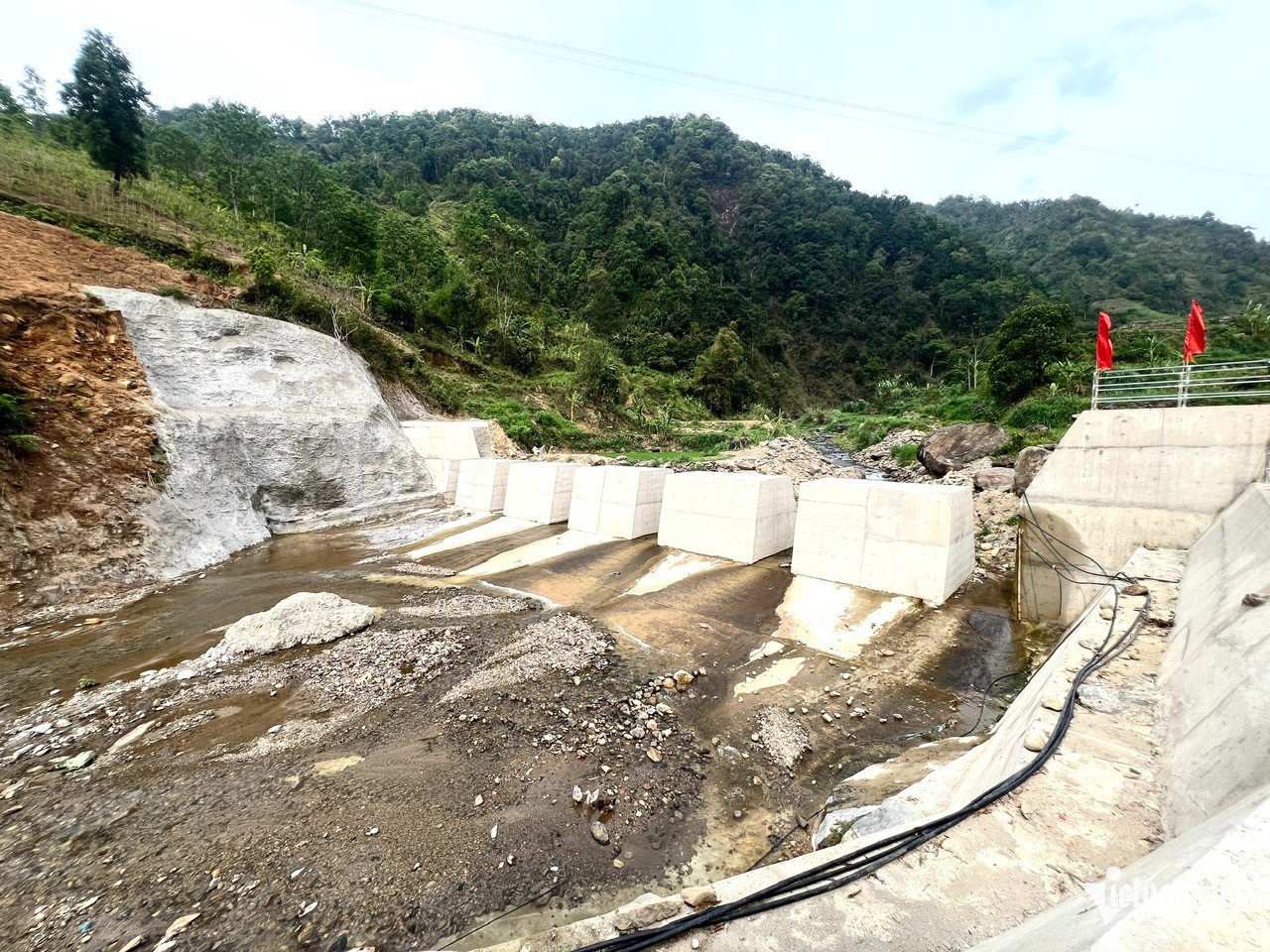
JICA's cooperation with Vietnam over the past year has extended well beyond infrastructure projects in mountainous regions.
According to figures presented at the press conference, the agency is implementing 12 official development assistance (ODA) loan projects, 11 private sector investment finance projects and 27 technical cooperation projects.
Its portfolio also includes five grant aid projects, 21 projects proposed by Japanese private companies and 18 projects under the Development Partnership Program.
Technical cooperation projects alone have a combined value of approximately 4.5 billion yen, equivalent to $28.1 million.
During the reporting period, 420 Vietnamese participants received training in Japan, while Japanese experts undertook 747 assignments in Vietnam.
There are currently 40 Japanese volunteers working in the country.
Looking ahead, JICA has identified four pillars for cooperation with Vietnam: science and technology, innovation, digital transformation and human resources; development of domestic enterprises and participation in global value chains; improvement of the investment environment; and strategic infrastructure development.
Although emerging fields such as artificial intelligence, semiconductors and digital transformation are receiving increasing attention, Kobayashi reaffirmed that basic infrastructure development in disadvantaged areas would remain a significant part of Japan's cooperation with Vietnam.
Thai An
.svg)
