 Vietnamnet.vn

 Podcast



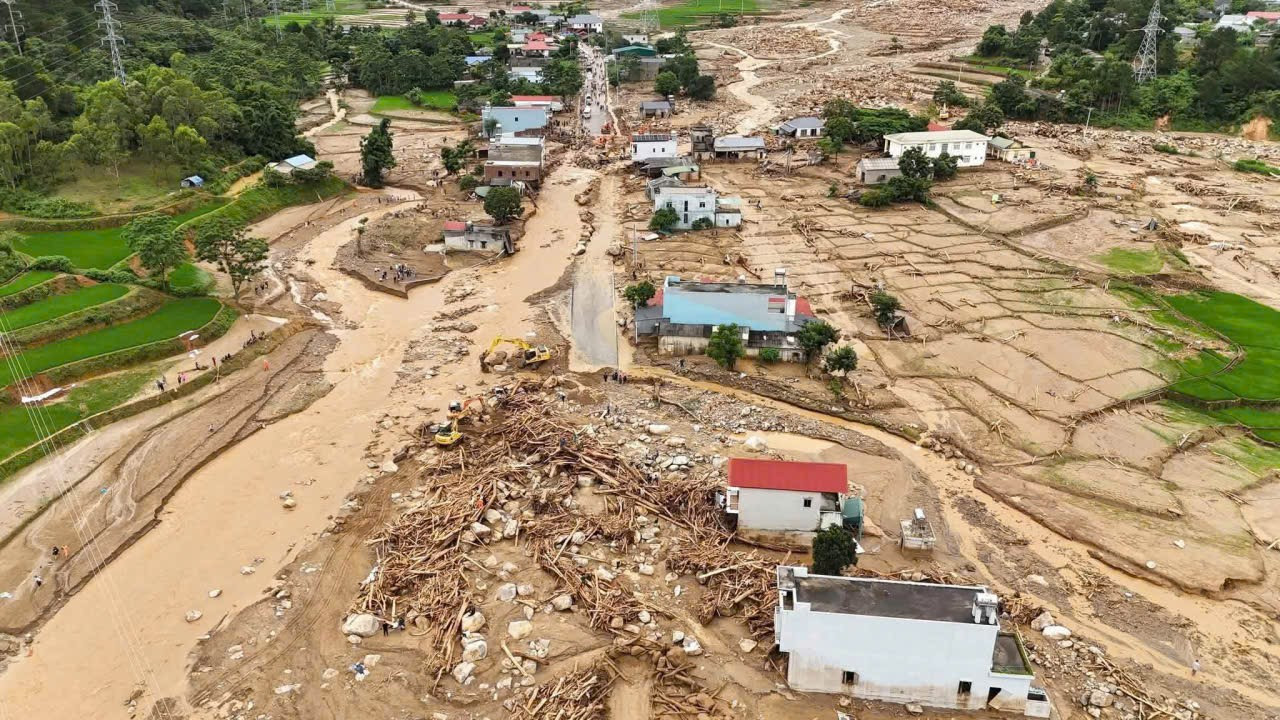
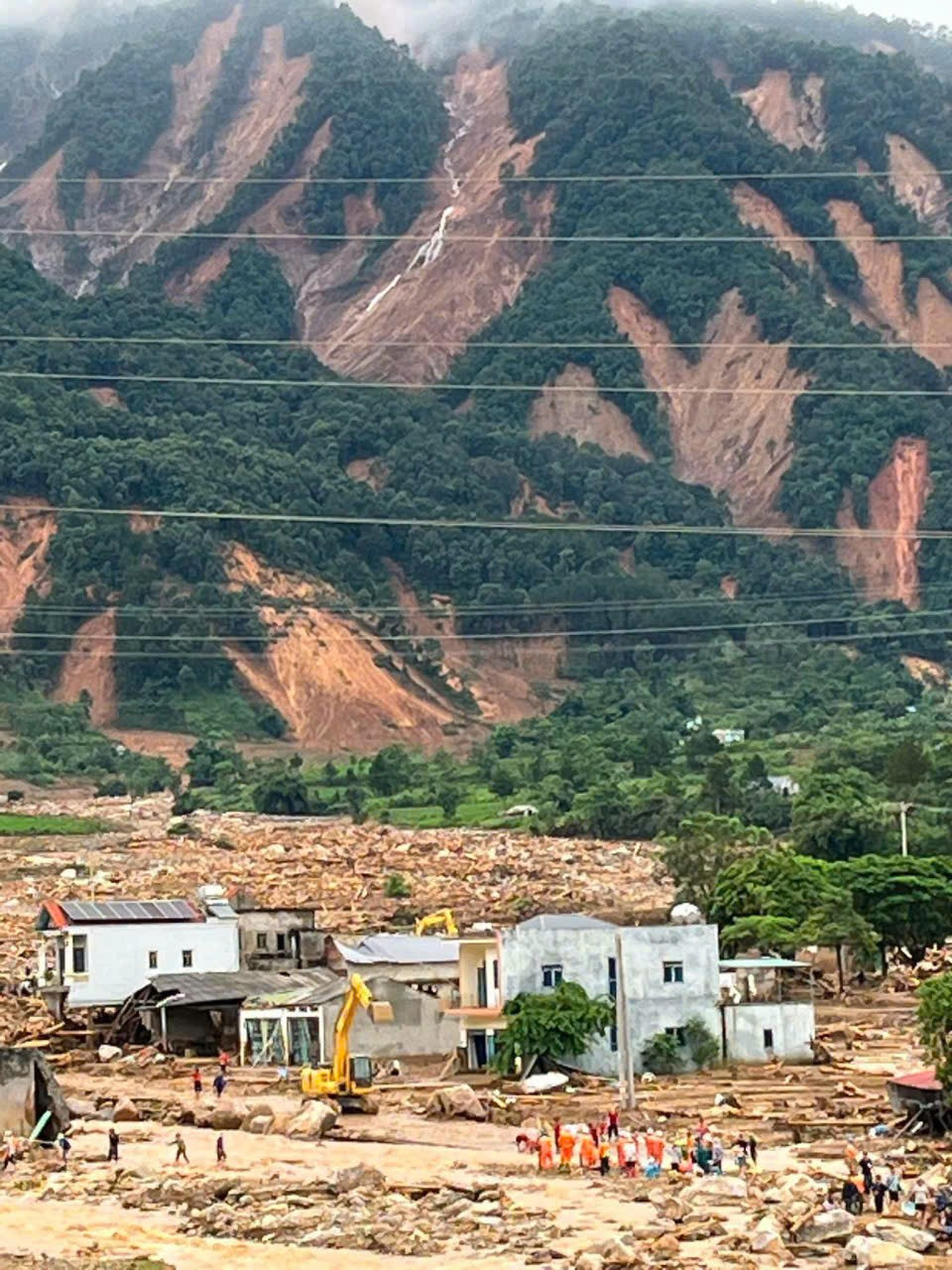
Deep landslide scars have appeared across the hills of Muong Than Commune in Lai Chau Province following historic flooding, while below, the commune center remains strewn with destroyed homes and debris left behind by powerful flash floods.
Historic floods devastate Muong Than
Days of heavy rainfall from July 15 to July 18 triggered flash floods and debris flows across Muong Than Commune.
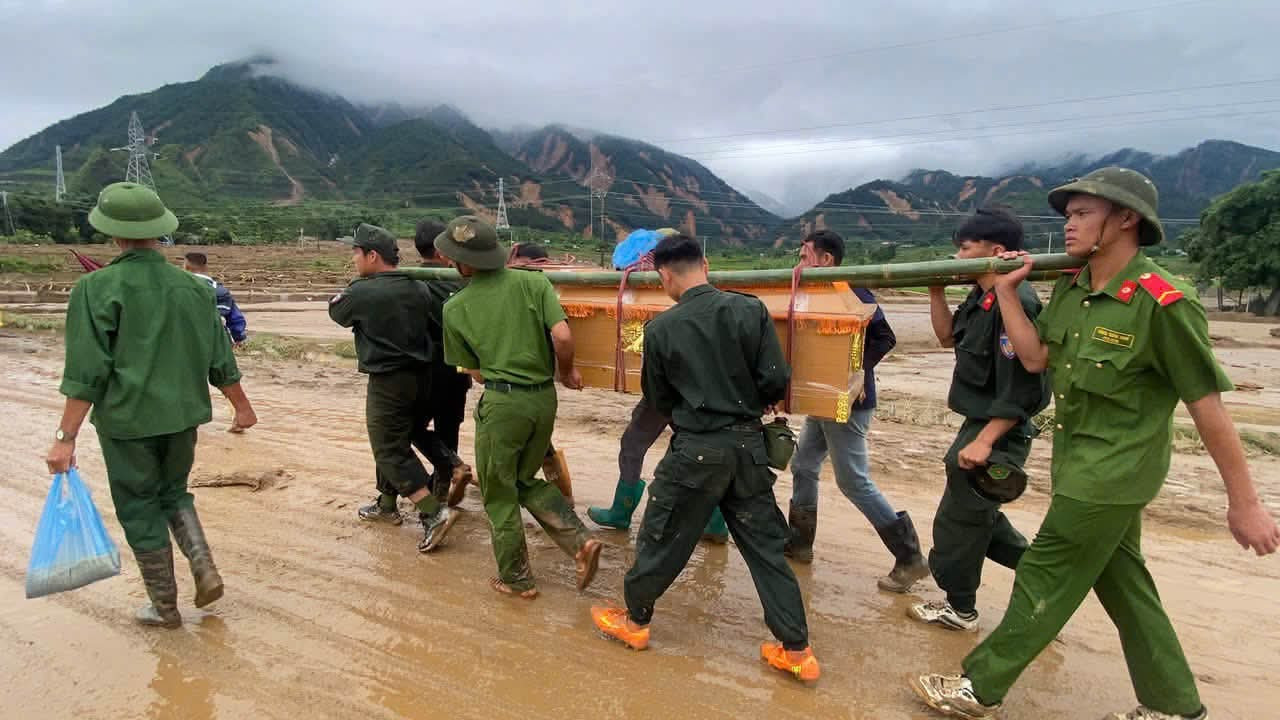
Within a short period, the disaster claimed four lives, left four people missing, injured seven others, and forced dozens of households to evacuate from high-risk areas.
Across Lai Chau Province, the floods caused widespread damage to homes, crops and infrastructure.
Authorities reported that 49 houses were damaged or completely destroyed.
Nearly 100 hectares (247 acres) of rice fields were buried or inundated in the communes of Than Uyen, Pac Ta, Pa U, Nam Cuoi, Xi Lo Lau and Hua Bum.
Muong Than suffered some of the heaviest losses, with flash floods and inundation affecting every village.
In Doi 11 Village, around 300 hectares (741 acres) of rice fields, crops and aquaculture areas were damaged.
Roads, including national highways, provincial roads and rural transport routes, also sustained significant damage from landslides, while numerous electricity poles were toppled.
Provincial authorities estimate total losses at approximately VND 190 billion (USD 7.3 million), including VND 120 billion (USD 4.6 million) in Muong Than Commune alone.
Fresh landslide risks remain
Large landslide scars are now visible across hillsides overlooking Muong Than, underscoring continuing concerns about slope instability.
Forecasters warn that Lai Chau is expected to receive additional moderate to heavy rainfall in the coming days, with some areas forecast to receive more than 250 millimeters (9.8 inches) of rain.
The conditions significantly increase the risk of further flooding, flash floods and landslides.
Chairman of the Lai Chau Provincial People's Committee Ha Quang Trung has instructed provincial departments and local authorities to maintain 24-hour emergency operations, closely monitor weather developments and continuously update disaster response plans.
Authorities have also been ordered to strengthen inspections in vulnerable areas, prioritize the protection of lives and help restore normal living conditions and agricultural production in affected communities.
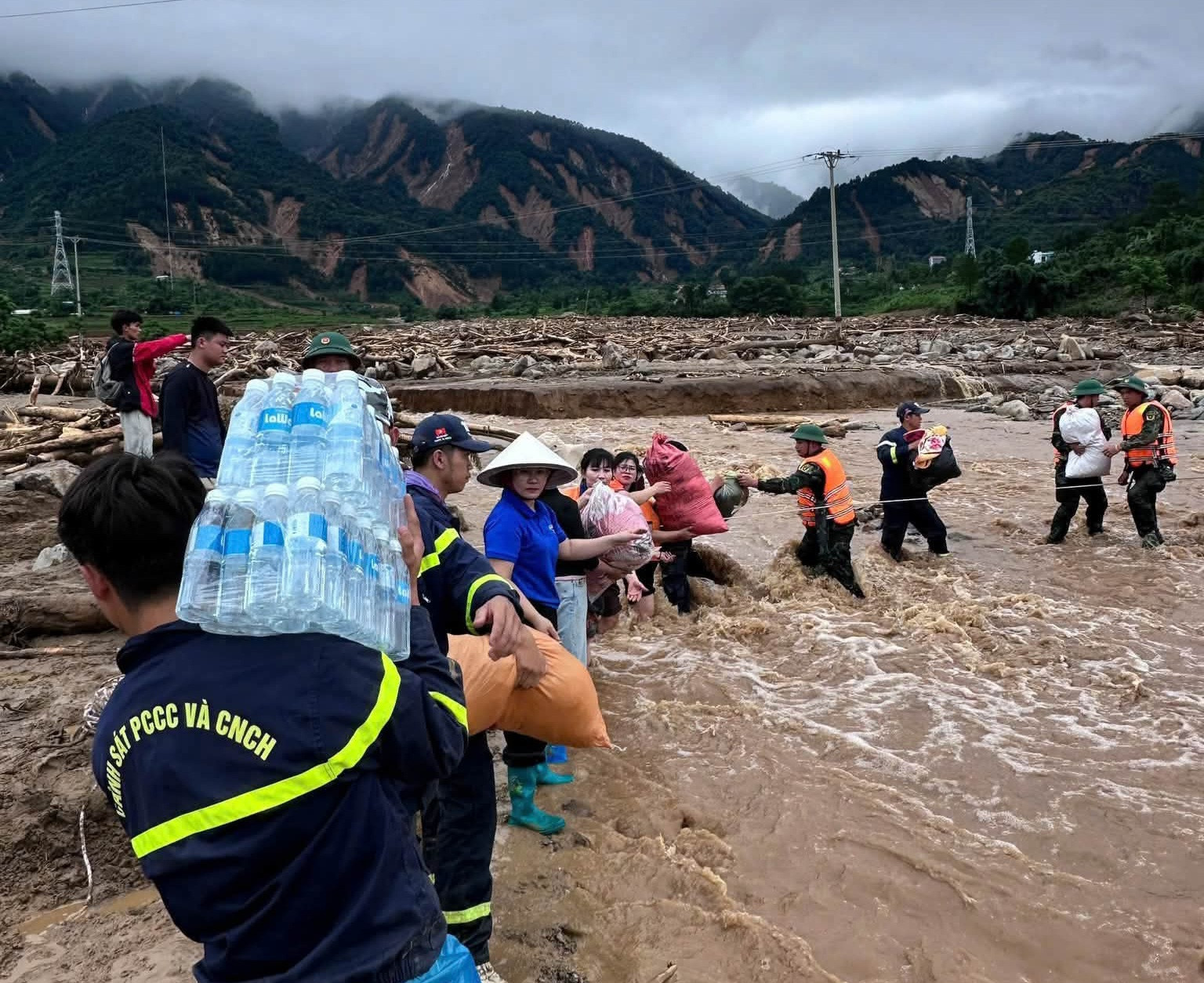
Local governments have mobilized emergency response teams to identify high-risk locations, carry out mandatory evacuations where necessary, and prepare sufficient food, drinking water and essential supplies for communities isolated by flooding.
Police officers have also assisted bereaved families, evacuated stranded residents and delivered emergency relief supplies to flood-affected villages.

Duc Phong
.svg)
