 Vietnamnet.vn

 Podcast


Lao student finds love with engineer from Hung Yen
In 2020, Phonethip Vongsa, commonly known as Noy, born in 2000 in Laos' Phongsaly Province, arrived in Vietnam with dreams of becoming a doctor.
She never imagined that her journey would also lead her to meet Nguyen Thanh Liem, an electrical automation engineer born in 1998 from Hung Yen Province, and eventually make Vietnam her second home.
Noy initially spent eight months studying Vietnamese at a school in Son Tay, Hanoi, in 2020. A year later, she returned to Vietnam to pursue a degree in general medicine in Thai Binh, now part of Hung Yen Province.
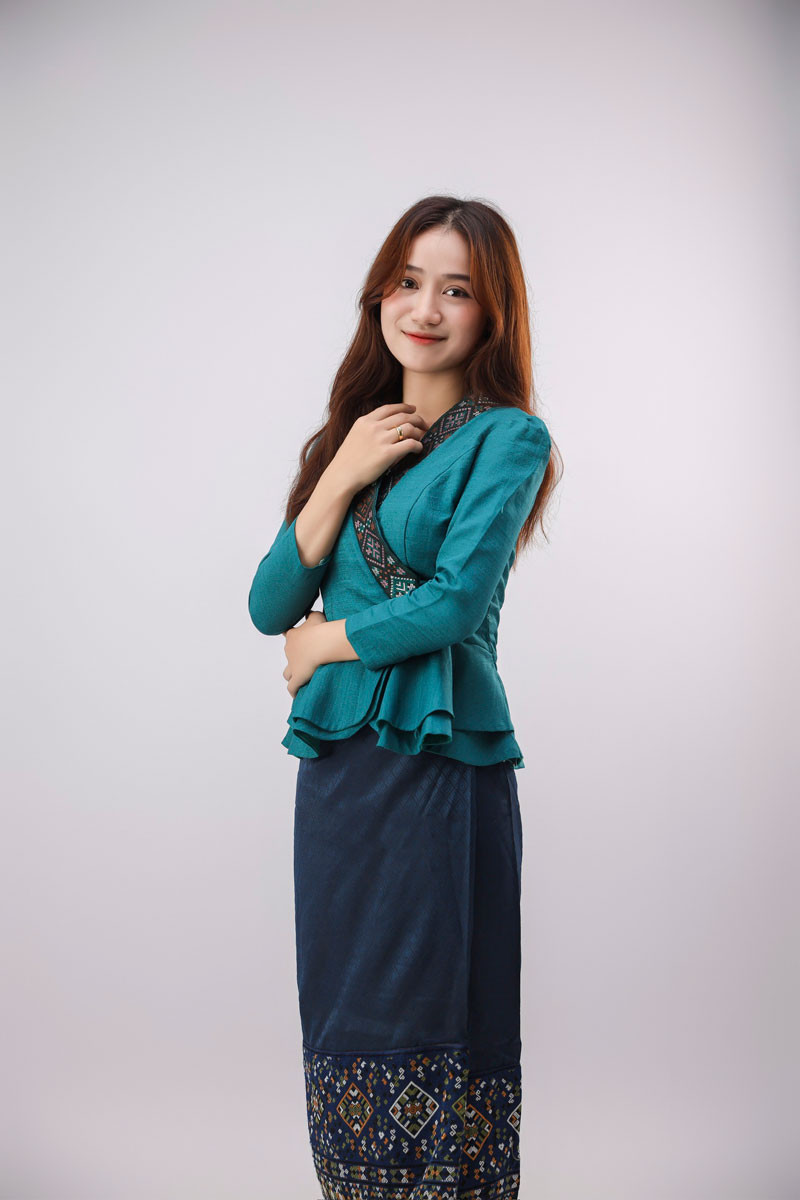
She chose Vietnam because of its educational opportunities in medicine, hoping to develop her professional skills, gain practical experience and eventually return to Laos to work.
However, meeting Liem in 2023 changed her plans. She decided to stay in Vietnam, marry him and build a long-term future in the country she had grown to love.
Their relationship began when Liem was hospitalized for treatment. By coincidence, Noy was completing a medical internship at the same hospital.
Impressed by the young student's cheerful personality and dedication, Liem struck up a conversation and gradually got to know her.
He still remembers their first date near the foot of Bo Bridge. Although Noy spoke Vietnamese fluently, she appeared shy and reserved, leaving him feeling equally nervous.
"At first, I never imagined having a long-term relationship with a Vietnamese man. But the more I got to know him, the more I appreciated his calm and gentle personality," Noy said. "He cared about me a great deal. It wasn't expensive gifts or romantic words that won my heart, but the little things he did for me every day."
Liem, meanwhile, admired Noy's charm, diligence and honesty.
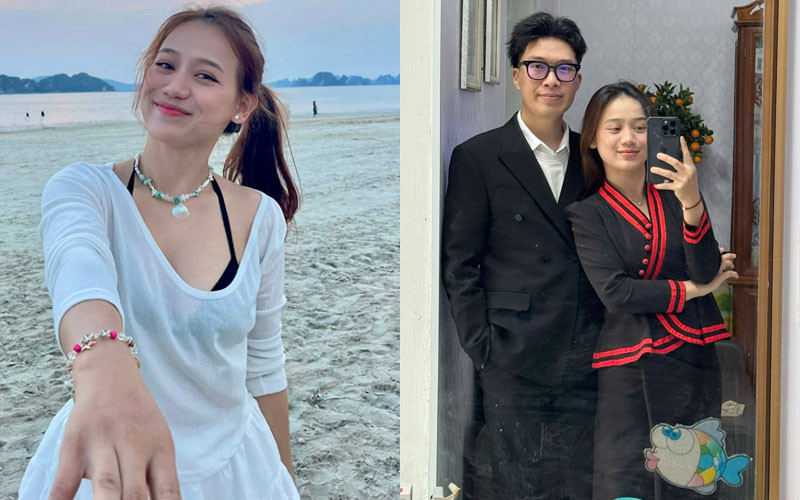
Through his sincerity, he gradually earned her trust. After a month of pursuing her, the two began a relationship.
However, their cross-border romance faced challenges because of the distance between their families.
As the eldest child, Noy was deeply loved by her parents. When they learned that she was dating a Vietnamese man, they worried that marriage would mean their daughter settling far from home.
"My father once said he would support our relationship if Liem moved to Laos to live with my family. But because of his job and family responsibilities, he couldn't leave his hometown," Noy recalled. "We couldn't reach an agreement, so we decided to break up."
After four months apart, both realized their feelings for each other remained strong.
Noy, in particular, did not want to lose someone who had shown her so much love and care.
Eventually, she decided to build her career and future in Vietnam so they could be together.
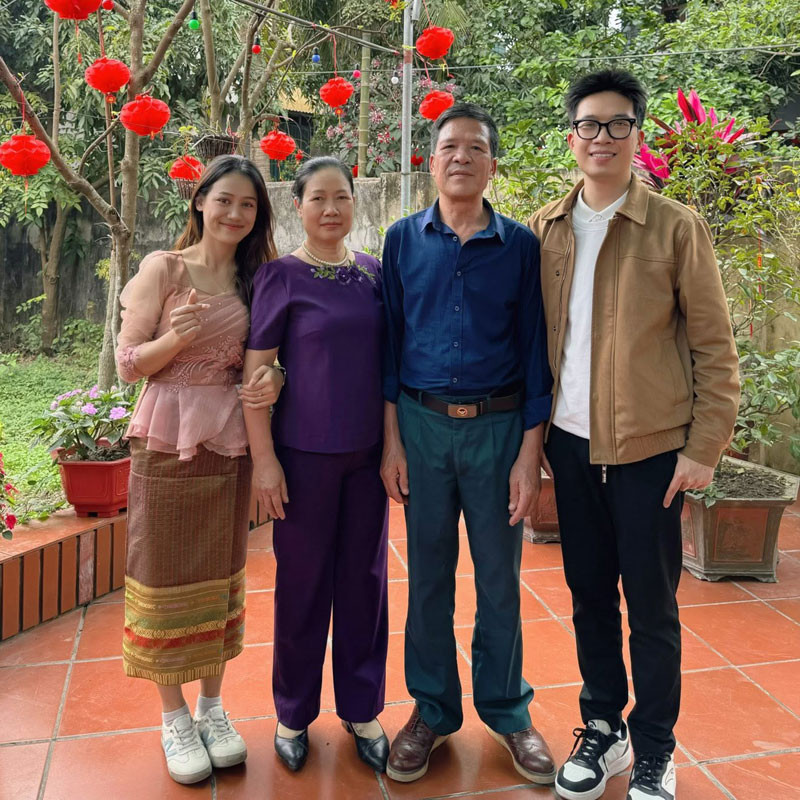
"Liem's parents have always been very fond of me. When I first visited his family in 2024, my future mother-in-law made a lovely comment: 'The Lao girl gets 10 out of 10. She's gentle and a good cook. I like her,'" Noy said.
The couple held an engagement ceremony in Laos in February 2026 and officially registered their marriage in September.
They plan to hold wedding celebrations in both Laos and Vietnam in the near future.
A favorite dish from Hung Yen wedding feasts
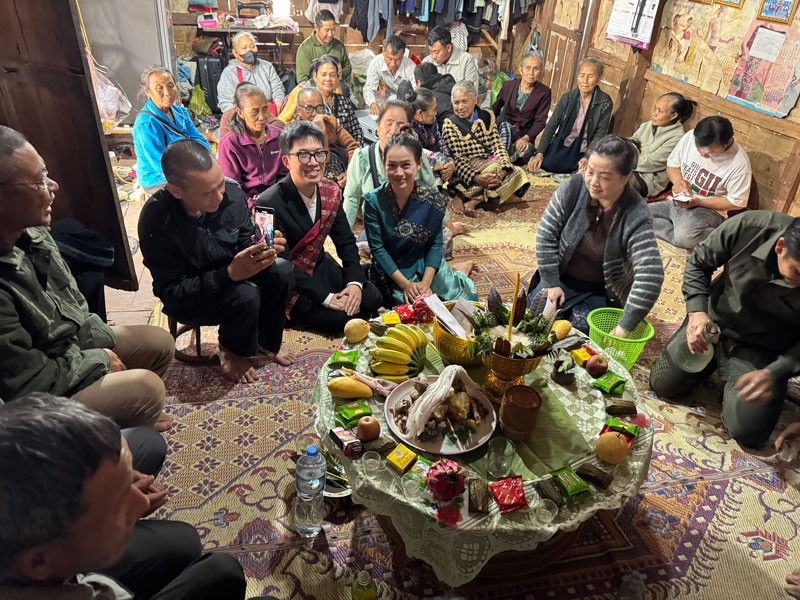
After six years of living and studying in Vietnam, Noy has gradually adapted to life in the country.
Nevertheless, differences in weather, cuisine and culture have continued to bring her new and memorable experiences.
One of her first impressions was how much colder winters in northern Vietnam were compared with her hometown in Laos.
During her early days in the country, she had to wear several layers of clothing to cope with the cold.
Food was another adjustment.
Lao people generally prefer spicy dishes, while northern Vietnamese cuisine tends to feature lighter, milder flavors.
Over time, Noy became accustomed to these differences and developed a strong appreciation for Vietnamese food.
While studying in Hung Yen, she attended four or five Vietnamese weddings.
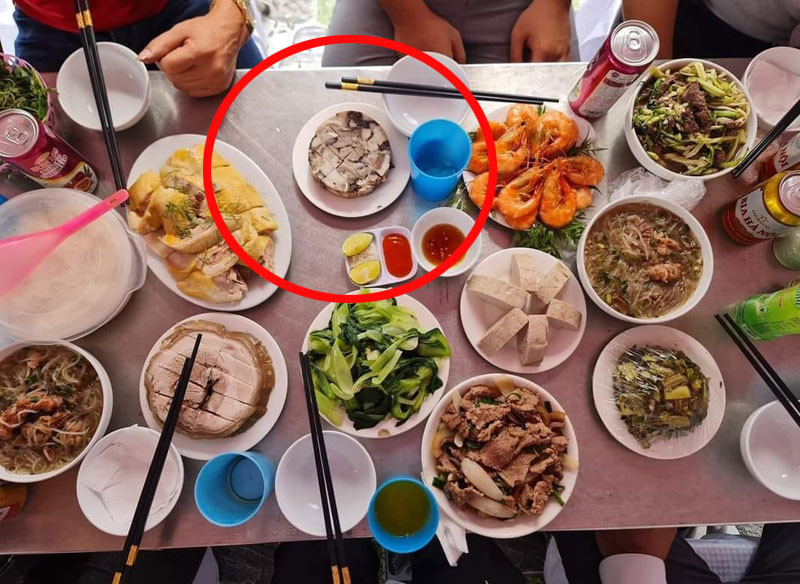
She was surprised by the elaborate wedding feasts, with tables typically featuring six or seven dishes, including vegetables, meat, hot dishes and cold appetizers.
"What surprised me most was that wedding feasts in my husband's hometown featured three or four different kinds of gio, such as gio cuon and gio xao," Noy said. "I never imagined that the same type of Vietnamese meat roll could be prepared in so many ways, with such different flavors."
Among these dishes, her favorite is gio xao, a traditional Vietnamese pork head terrine containing mushrooms and wood ear fungi.
She particularly enjoys the dish because of its mushroom ingredients.
Besides eating it at wedding celebrations, Noy also loves having gio xao during Tet, Vietnam's Lunar New Year holiday.
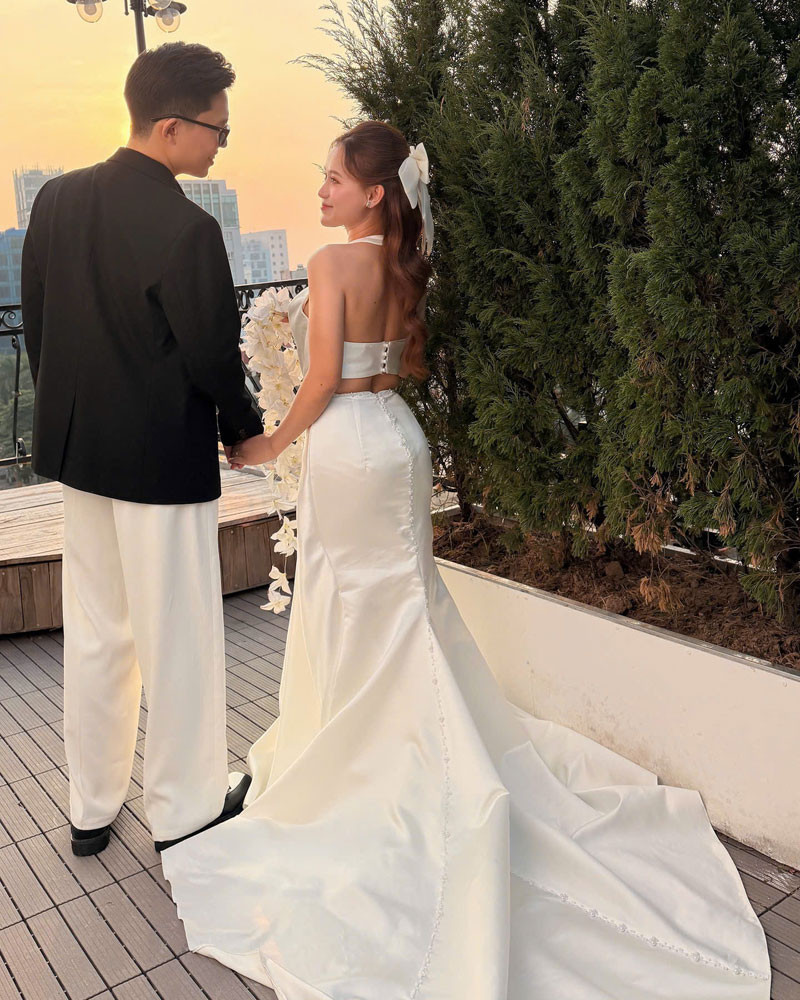
Photos: Courtesy of the couple, except where otherwise credited.
Since becoming part of a family in Hung Yen, she has had more opportunities to explore Vietnamese cooking.
Her mother-in-law has taught her to prepare several traditional dishes, including canh cua (freshwater crab soup) and nem cuon (Vietnamese spring rolls), which she had never tasted before.
After learning the recipes, Noy brought them back to Laos and cooked the dishes for her family.
Her relatives enjoyed the Vietnamese food.
In return, Noy prepares traditional Lao dishes for her husband's family.
She also makes an effort to remember each family member's food preferences and adjusts her cooking accordingly.
Her thoughtfulness and cooking skills have made her even more appreciated by her in-laws.
Liem said his wife has also grown fond of Vietnamese family traditions, particularly the way relatives show concern for one another through small daily gestures.
"Noy really likes the way Vietnamese families live and how carefully everyone looks after one another," he said. "What impresses her most is the custom of greeting family members. She likes how people say goodbye when leaving home and greet each other when returning. She also appreciates how family members let one another know what they are doing and where they are going."
Looking back on her six years in Vietnam, Noy feels she has matured considerably.
During that time, she has not only discovered and experienced a different culture but also gained another family that loves and treats her as one of their own.
Today, her husband's hometown has become as familiar and welcoming as a second homeland.
Thanh Minh

