 Vietnamnet.vn

 Podcast



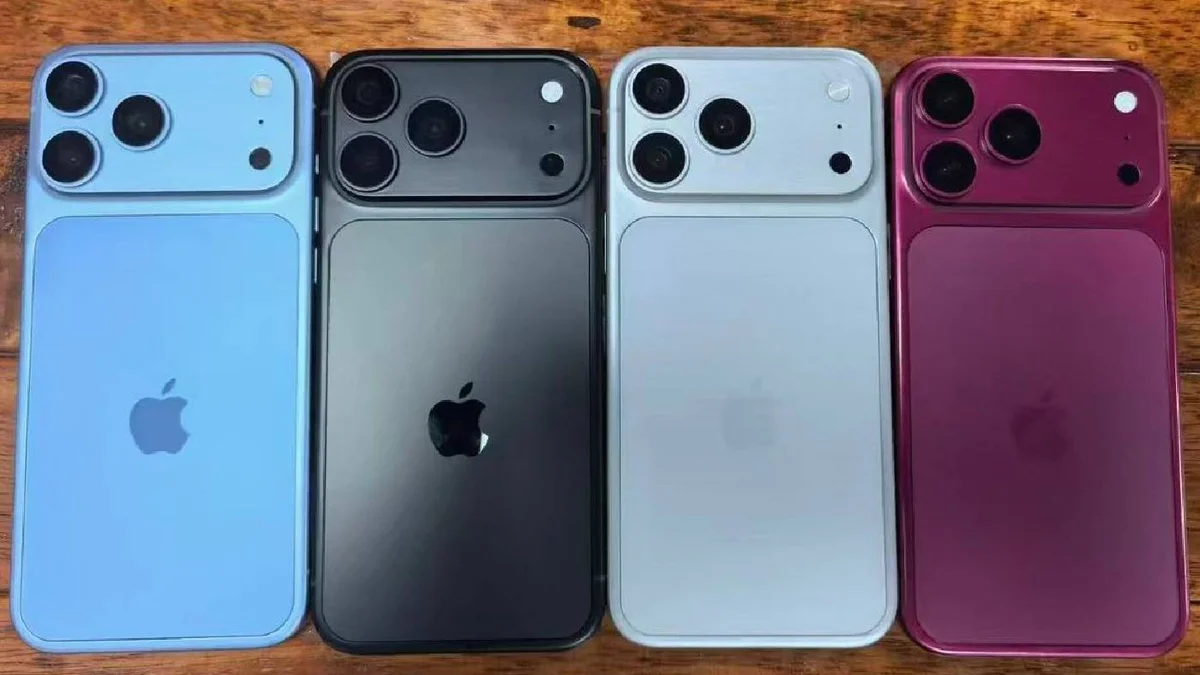
A recently leaked image, believed to show the iPhone 18 Pro Max motherboard, reveals what may be the device's most significant hardware change: the A20 Pro processor is expected to adopt an entirely new chip packaging technology that promises substantial gains in performance, on-device AI processing and thermal efficiency.
According to well-known Weibo leakers WhyLab and Ice Universe, the motherboard image indicates that Apple has adopted a packaging method called Wafer-level Multi-Chip Module (WMCM). The technology has been discussed by industry analysts for several months and is widely seen as the successor to the Integrated Fan-Out (InFO) packaging used in previous generations of Apple's A-series processors.
While the leaked image contains numerous electronic components, the spotlight falls on the A20 Pro - the processor that serves as the central brain of the iPhone 18 Pro Max.
From stacked components to a side-by-side layout for better cooling
In A-series chips up to the A19 Pro, Apple positioned the DRAM directly on top of the application processor. This stacked design offers several advantages, including lower latency between the CPU and memory while also improving power efficiency.
However, the arrangement also has a significant drawback. Concentrating multiple high-performance components in the same area causes heat to accumulate at a single point, increasing the likelihood of thermal throttling during prolonged, demanding workloads.
With the new WMCM technology, Apple is reportedly redesigning the internal layout. Instead of stacking the DRAM above the processor, the individual chip components are placed next to one another on the same plane, with the memory positioned alongside the primary processing units.
Because the components remain in close proximity, data transfer speeds are expected to remain largely unaffected. At the same time, heat can spread across a larger surface area rather than building up at a single hotspot. This should allow the cooling system to operate more efficiently, reducing overheating while maintaining stable performance during intensive tasks such as gaming, video editing and running AI models directly on the device.
A20 Pro and vapor chamber cooling could form a powerful combination
If the leaks prove accurate, the A20 Pro will be paired with a vapor chamber cooling system that Apple is widely rumored to have successfully introduced with the earlier iPhone 17 Pro lineup.
The combination of the redesigned chip architecture and advanced cooling hardware could enable the iPhone 18 Pro Max to sustain peak performance for much longer without slowing down because of excessive heat. This will become increasingly important as smartphones handle more demanding AI workloads and graphics-intensive applications.
Beyond thermal performance, WMCM is also expected to improve manufacturing efficiency. Rather than producing a single monolithic chip die containing every component, Apple could manufacture multiple smaller chiplets separately before combining them into different configurations.
This approach offers greater design flexibility while reducing the number of defective chips discarded during production. As a result, it could both lower manufacturing costs and improve production yields at scale.
Despite the significant internal redesign, the overall dimensions of the A20 Pro are said to remain similar to those of the A19 Pro, allowing Apple to retain much of the existing motherboard layout.
LPDDR6 memory and a larger Neural Engine target AI performance
The packaging redesign is not expected to be the only major upgrade. Ice Universe also claims Apple will introduce LPDDR6 memory for the first time with the A20 Pro.
One of the most notable improvements is a 96-bit memory bus - roughly 50% wider than the 64-bit interface used by LPDDR5 and LPDDR5X memory in previous iPhone generations.
Greater memory bandwidth means substantially more data can move between RAM and the processor within the same period of time. If LPDDR6 also delivers the higher clock speeds and improved energy efficiency anticipated by the industry, the iPhone 18 Pro Max could see meaningful gains in multitasking, graphics processing and AI performance.
Another significant enhancement reportedly involves the Neural Processing Unit (NPU), also known as Apple's Neural Engine. According to the leaked motherboard image, the area allocated to AI processing hardware has been noticeably expanded compared with previous generations.
The change suggests Apple is investing heavily in running artificial intelligence directly on the device rather than relying entirely on cloud computing. As a result, future Apple Intelligence features could operate more quickly, offer stronger privacy protection and depend less on an internet connection.
One unusual aspect of this leak is that technology observers may have an indication of where the material originated.
On June 23, one of Tata's iPhone manufacturing facilities was reportedly targeted in a cyberattack that resulted in the theft of a large volume of internal company data.
According to verified reports, the compromised information included motherboard designs for the iPhone 18 Pro and iPhone 18 Pro Max, along with numerous technical documents related to the A20 Pro processor.
It remains impossible to confirm whether the images currently circulating online came directly from that data breach. However, several indicators suggest that such a connection is highly plausible.
Hai Phong
.svg)
