 Vietnamnet.vn

 Podcast



The arrest of the director of PNJ-LAB, a wholly owned subsidiary of jewelry retailer Phu Nhuan Jewelry Joint Stock Company (PNJ), has raised questions about the legal responsibilities of the parent company and the potential civil liability if the alleged wrongdoing is found to have been committed solely by an individual.
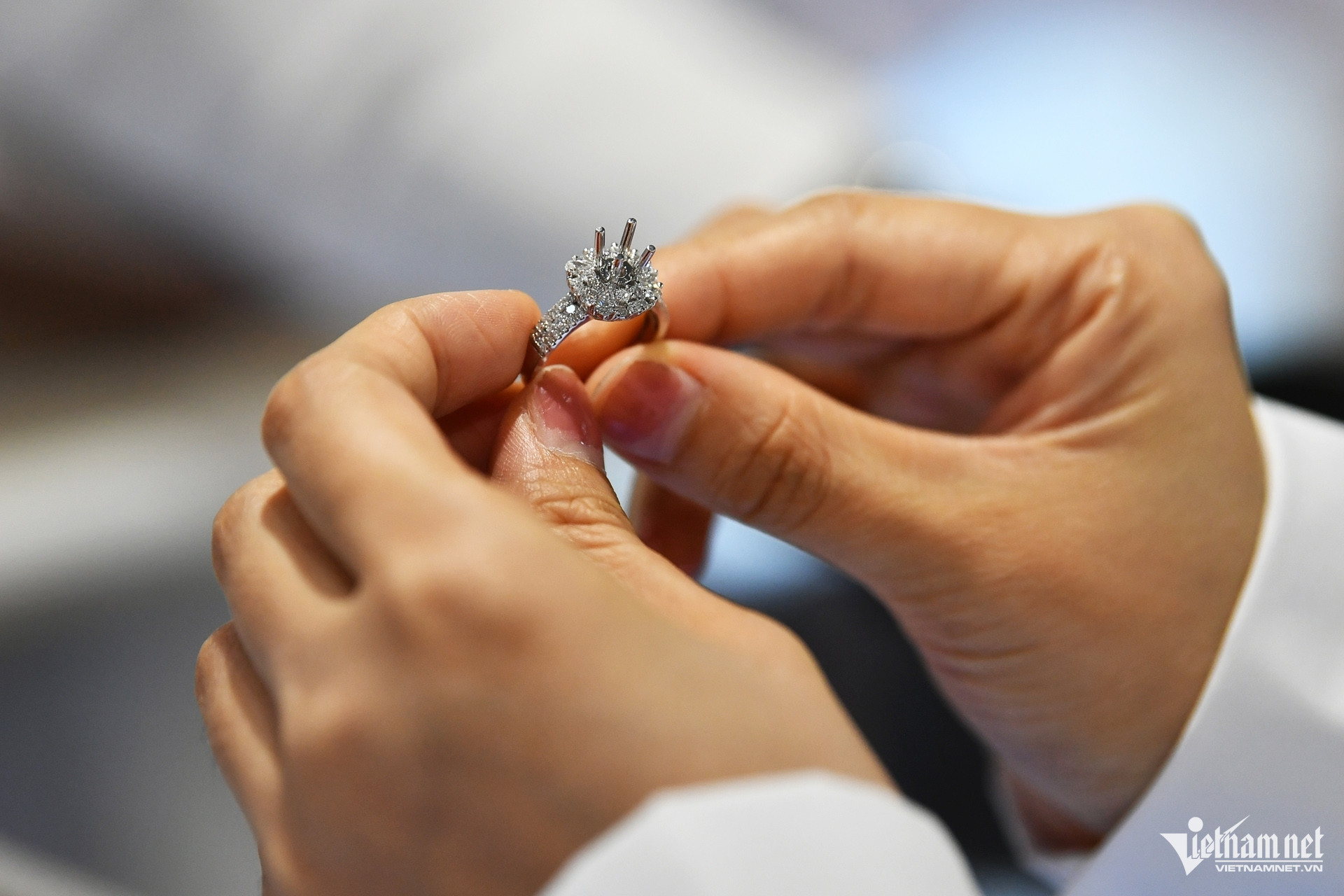
Authorities are investigating Dang Ngoc Thao, director of PNJ-LAB, in connection with an alleged diamond smuggling network involving more than 28,000 diamonds, according to the Investigation Police Agency of Thanh Hoa Province.
Investigators allege that Thao colluded with others to purchase smuggled diamonds whose specifications did not match certificates issued by the Gemological Institute of America (GIA).
According to police, he then allegedly removed the original laser-engraved GIA identification numbers from the diamonds, replaced them with new PNJ-LAB identification numbers, issued new grading certificates and sold the stones for profit.
PNJ-LAB has stated that the case concerns the individual legal responsibility of its director and said it has submitted a detailed report to its parent company, PNJ.
The case has also drawn attention to the effectiveness of corporate internal control systems. However, the legal responsibilities of the companies and individuals involved remain subject to the outcome of the criminal investigation.
Whether PNJ bears responsibility depends on the investigation
Lawyer Dao Nguyen Mai Dung, Deputy Director of HPL & Associates Law Firm and a member of the Ho Chi Minh City Bar Association, said investigators have so far announced criminal proceedings against an individual but have not reached any official conclusion regarding the responsibility of the company or the circumstances under which the disputed certification documents were issued.
As a result, she said, there is currently no official basis to conclude whether PNJ failed in its management responsibilities or knowingly facilitated the alleged misconduct.
From a legal perspective, Dung noted that PNJ-LAB is an independent legal entity wholly owned by PNJ.
Under Vietnam's Law on Enterprises 2020, a parent company exercises its ownership rights by appointing the subsidiary's management structure, including its chairman, director and supervisory personnel.
However, she said the allegation that a director could allegedly alter GIA identification numbers, issue replacement certificates and release thousands of inaccurate grading reports over an extended period suggests possible weaknesses in internal oversight.
"Although the parent company delegates operational management to the subsidiary's director, the incident indicates deficiencies in cross-supervision, periodic post-inspection procedures and the role of internal control mechanisms in a core and highly sensitive business area such as gemstone certification," Dung said.
She emphasized, however, that any legal responsibility of PNJ's leadership will depend entirely on the investigation's findings.
If investigators determine that company executives neither knew of nor participated in the alleged misconduct and had established appropriate compliance and supervisory mechanisms, criminal liability would generally apply only to the individual who directly committed the offense, consistent with the principle of individual criminal responsibility under Vietnam's Penal Code.
Conversely, if investigators find evidence that company managers knowingly ignored, directed, assisted or concealed the alleged wrongdoing, they could face criminal liability as accomplices or for other offenses, depending on the evidence collected.
Civil compensation if the misconduct was solely individual
If investigators ultimately conclude that the alleged offenses were committed exclusively by Dang Ngoc Thao without corporate involvement, PNJ itself may also be considered a victim of the misconduct.
According to Dung, in addition to any criminal penalties resulting from offenses such as smuggling, document forgery or deceiving consumers - subject to the investigation's conclusions - Thao could also face civil liability for damages suffered by the company.
Under Article 584 of Vietnam's Civil Code 2015, anyone who unlawfully infringes upon another person's lawful rights or property and causes damage must provide compensation.
Article 589 further provides that compensable property damage may include destroyed or damaged assets, lost economic benefits, reasonable costs incurred to prevent or mitigate losses and other damages prescribed by law.
If PNJ can establish a direct causal link between the alleged misconduct and the company's financial losses, it could seek compensation for expenses including:
Product recalls;
Reinspection and recertification of affected gemstones;
Customer complaint resolution;
Repairs or improvements to certification systems;
Compensation paid to customers; and
Other direct financial losses arising from the alleged conduct.
Dung added that if the company can prove measurable harm to its reputation or brand value under applicable legal standards, it may also seek compensation for those damages, although the amount would ultimately be determined by the competent court or other legal authority.
During criminal proceedings, PNJ may also file a civil claim seeking compensation from Dang Ngoc Thao in accordance with Vietnam's Criminal Procedure Code 2015.
Nguyen Le
.svg)
