 Vietnamnet.vn

 Podcast


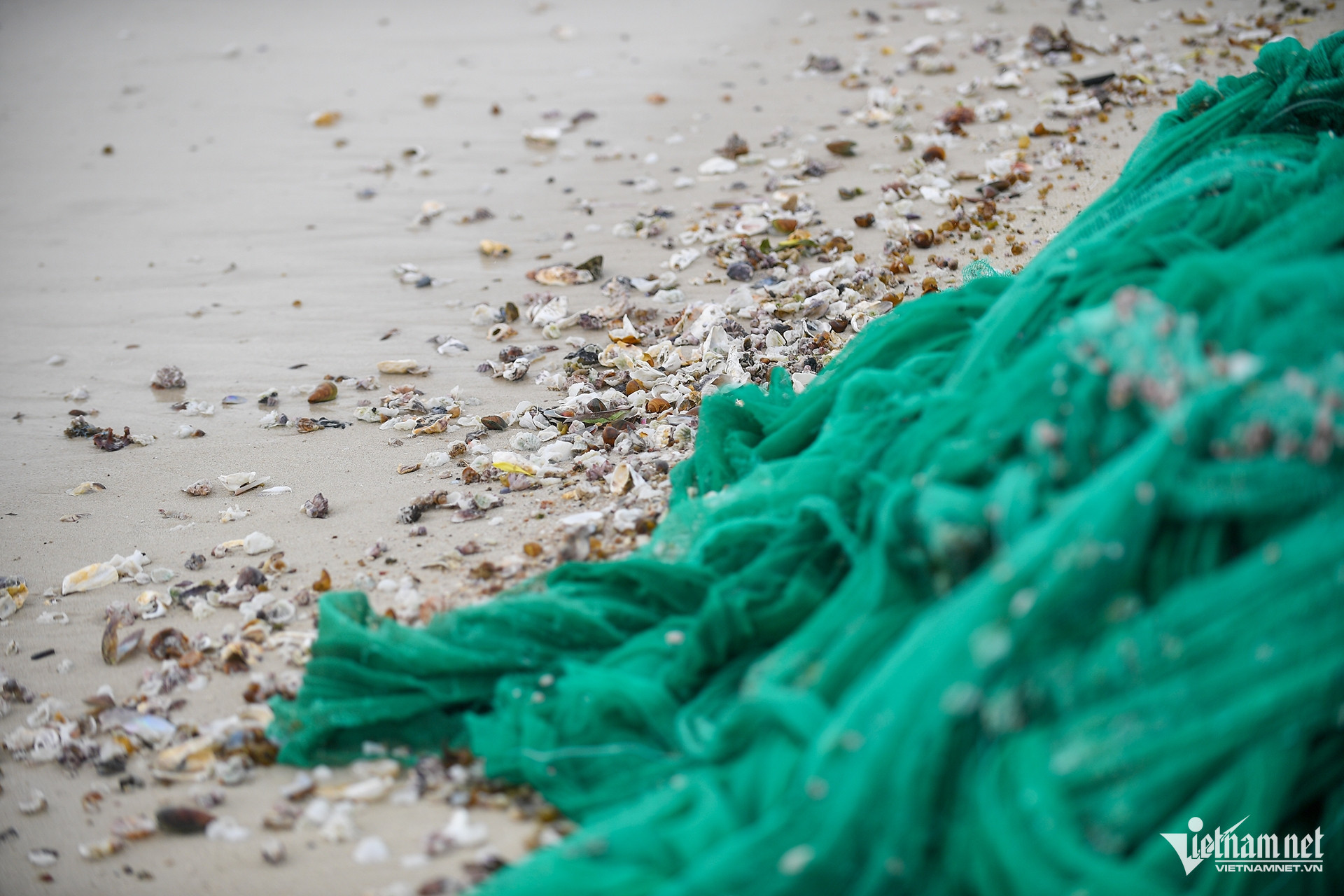
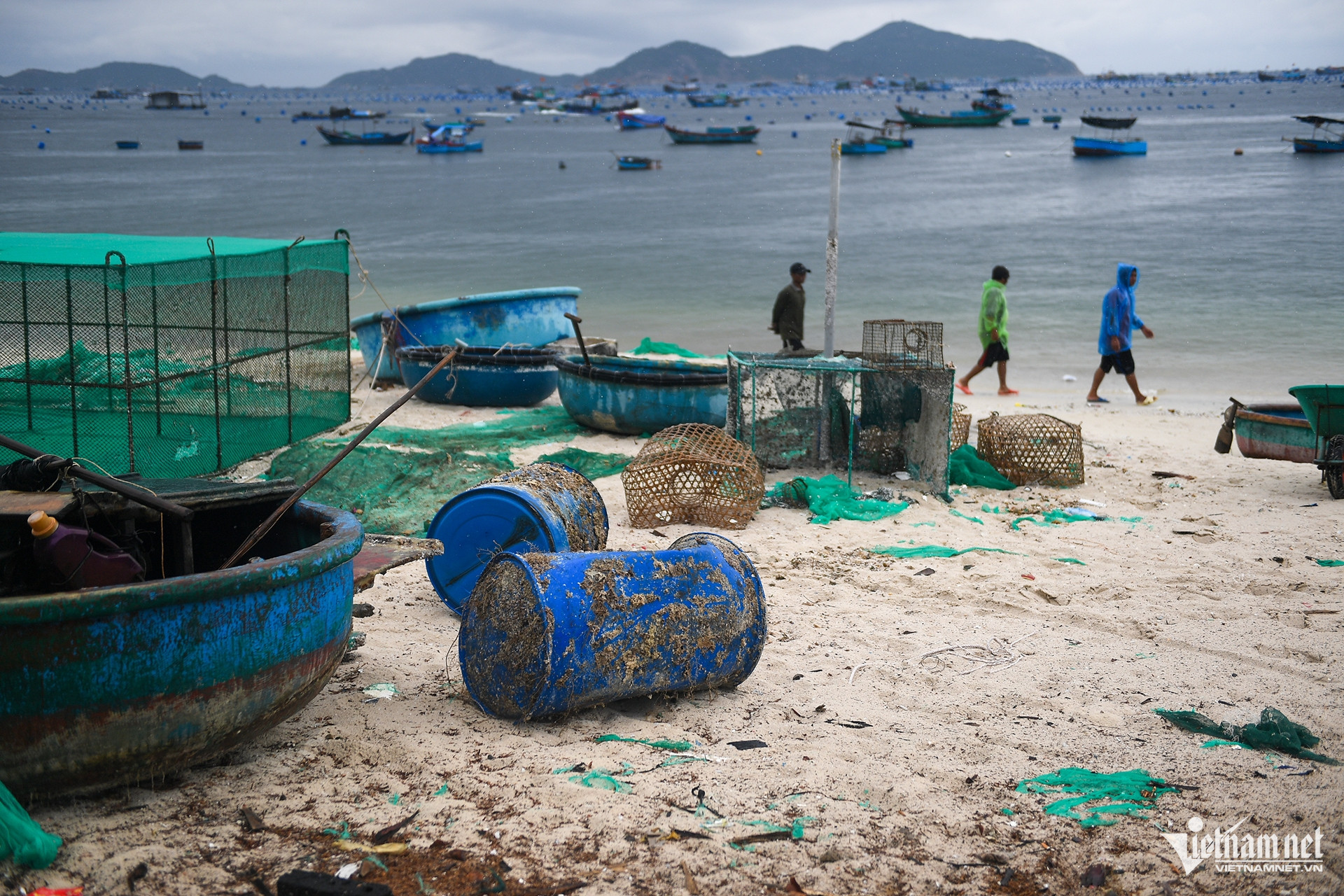
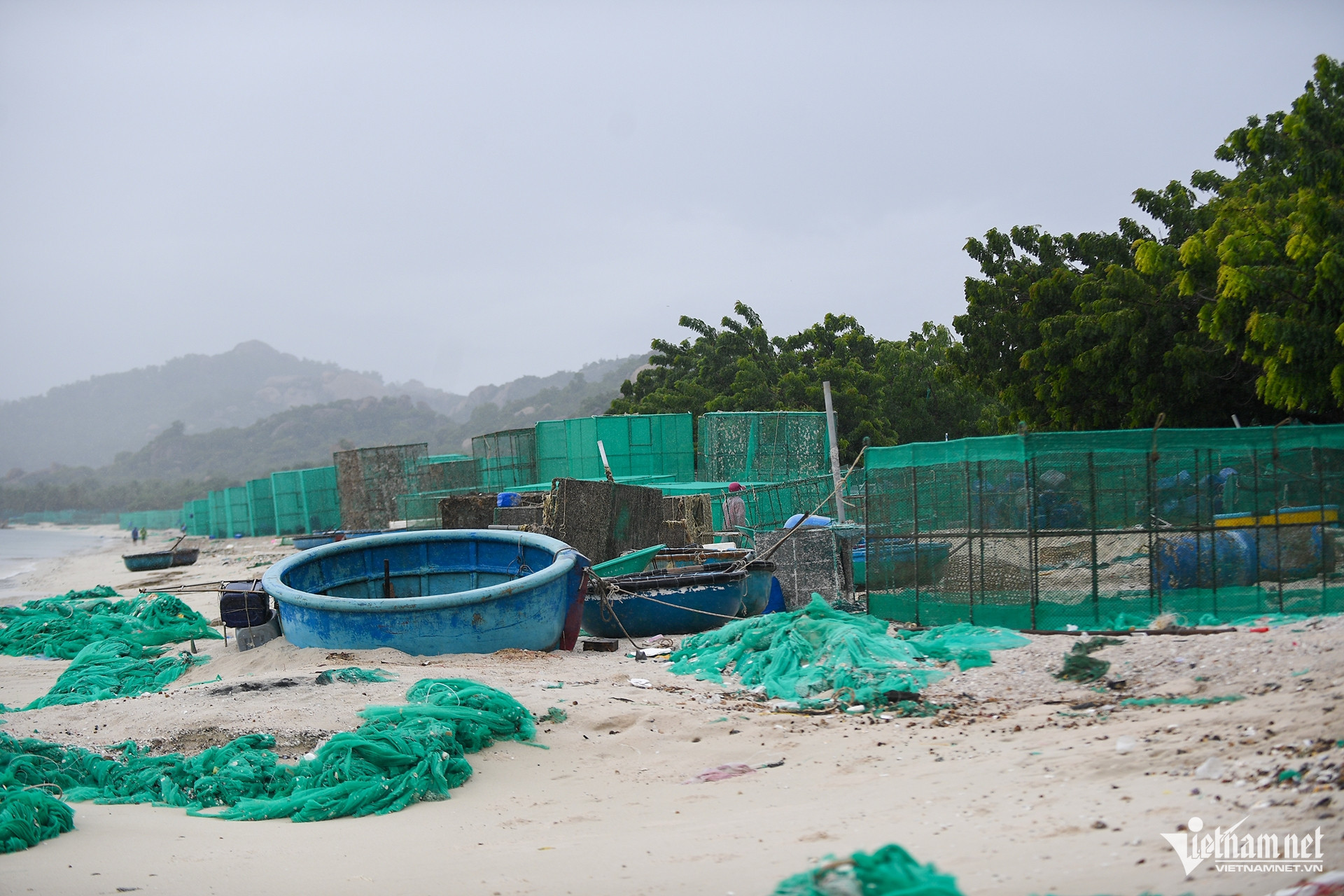
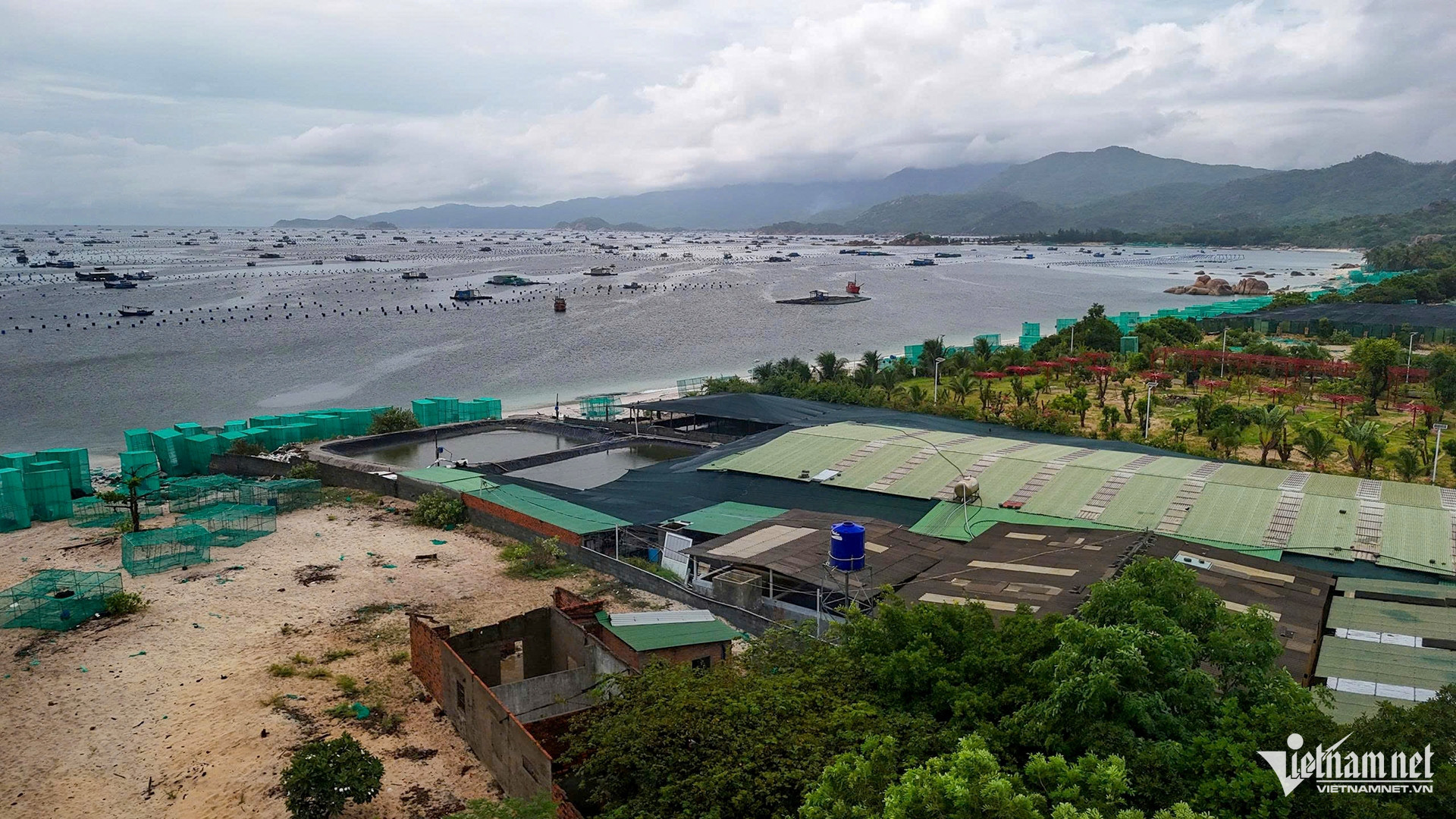
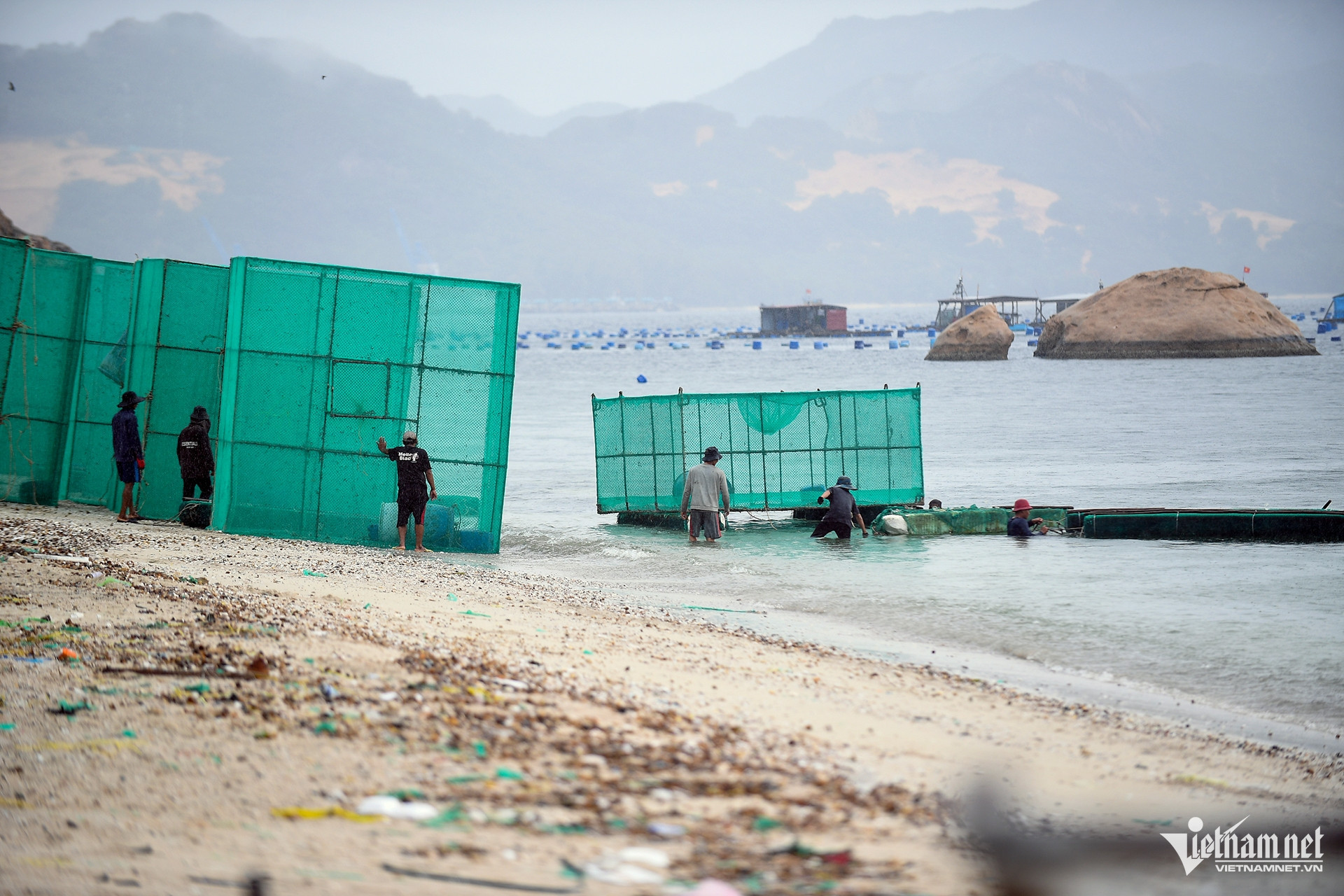
In late October, the beach in Binh Lap hamlet, Nam Cam Ranh Commune, along Cam Ranh Bay in south-central Vietnam, was covered with household rubbish, plastic bags, discarded fishing nets and oyster and snail shells.
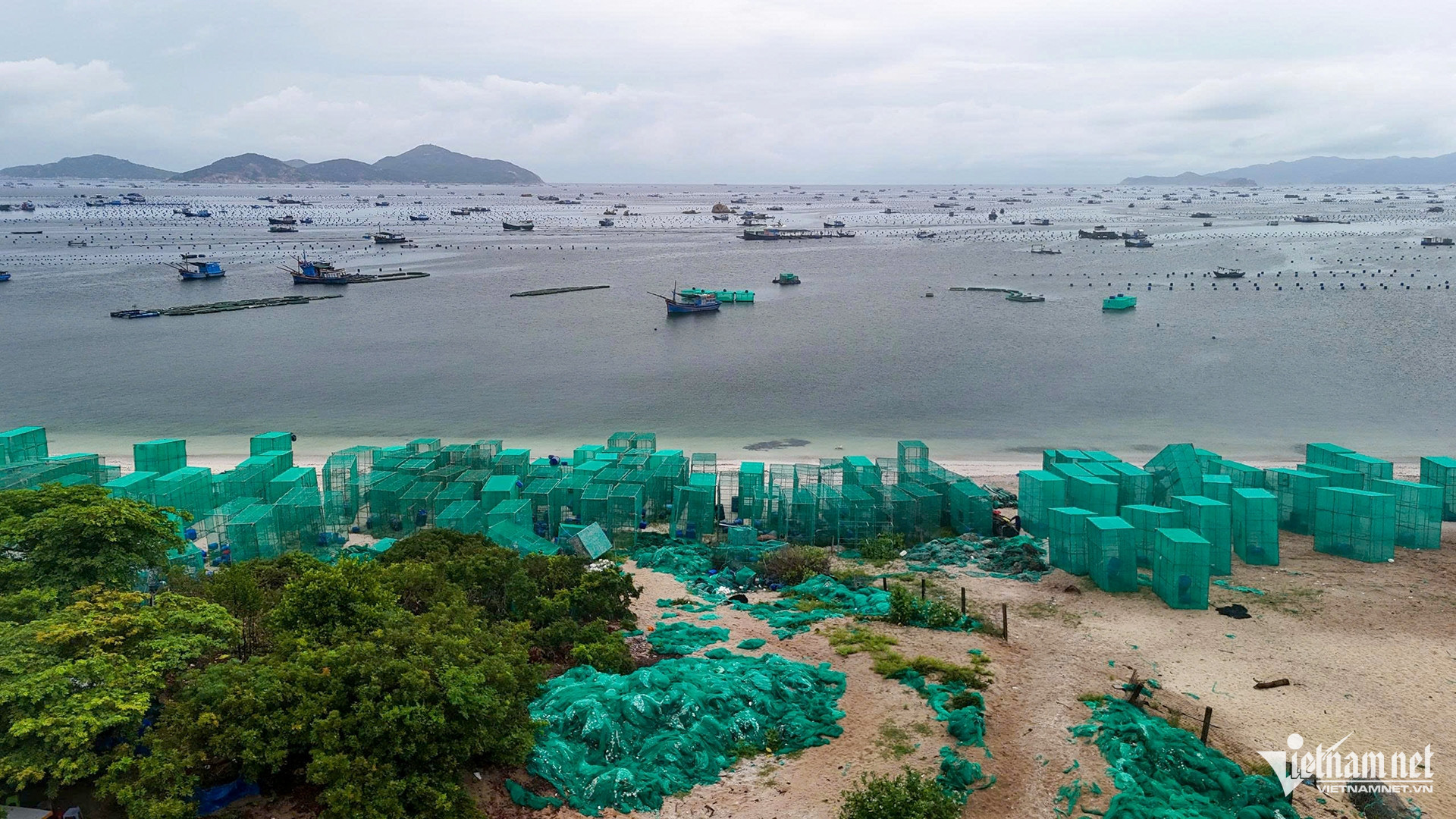
In several areas, waste that had accumulated over time formed large piles on the sand, giving off a strong, unpleasant smell.
Hundreds of lobster farming cages had been brought ashore for cleaning. During the process, oyster shells, aquaculture feed packaging, damaged nets and plastic waste were left scattered across the beach. Some waste was reportedly dumped directly into the sea.
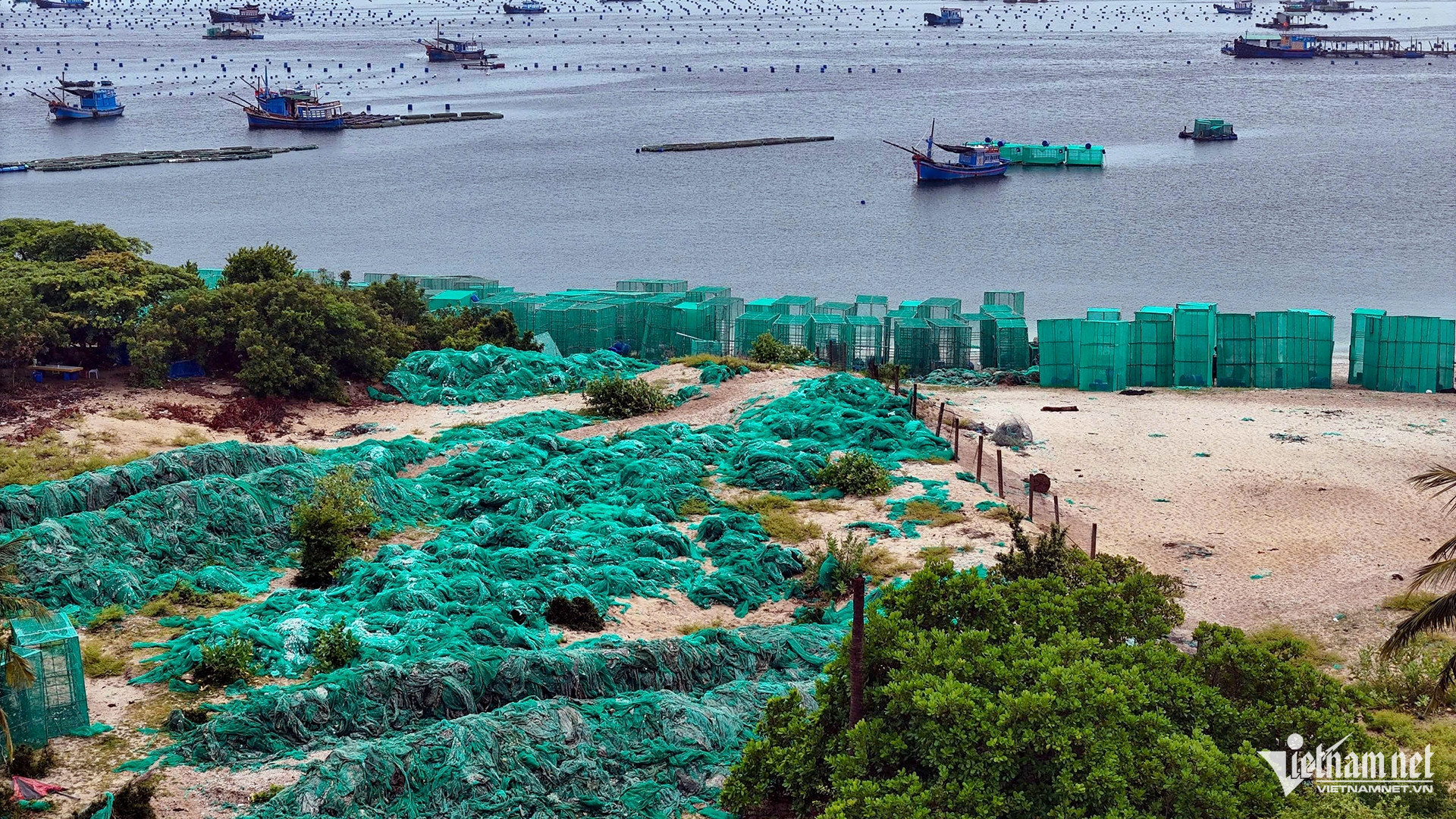
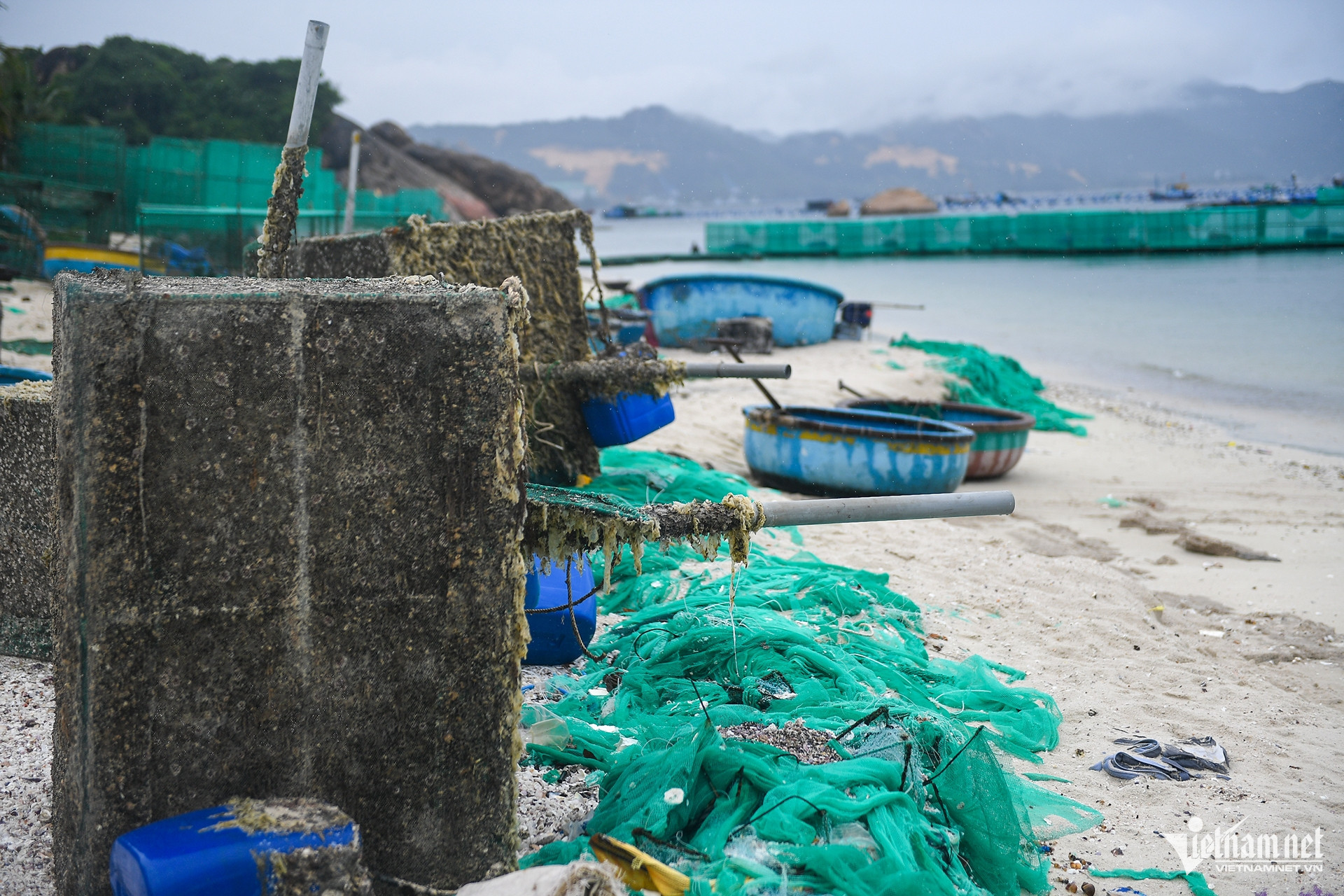
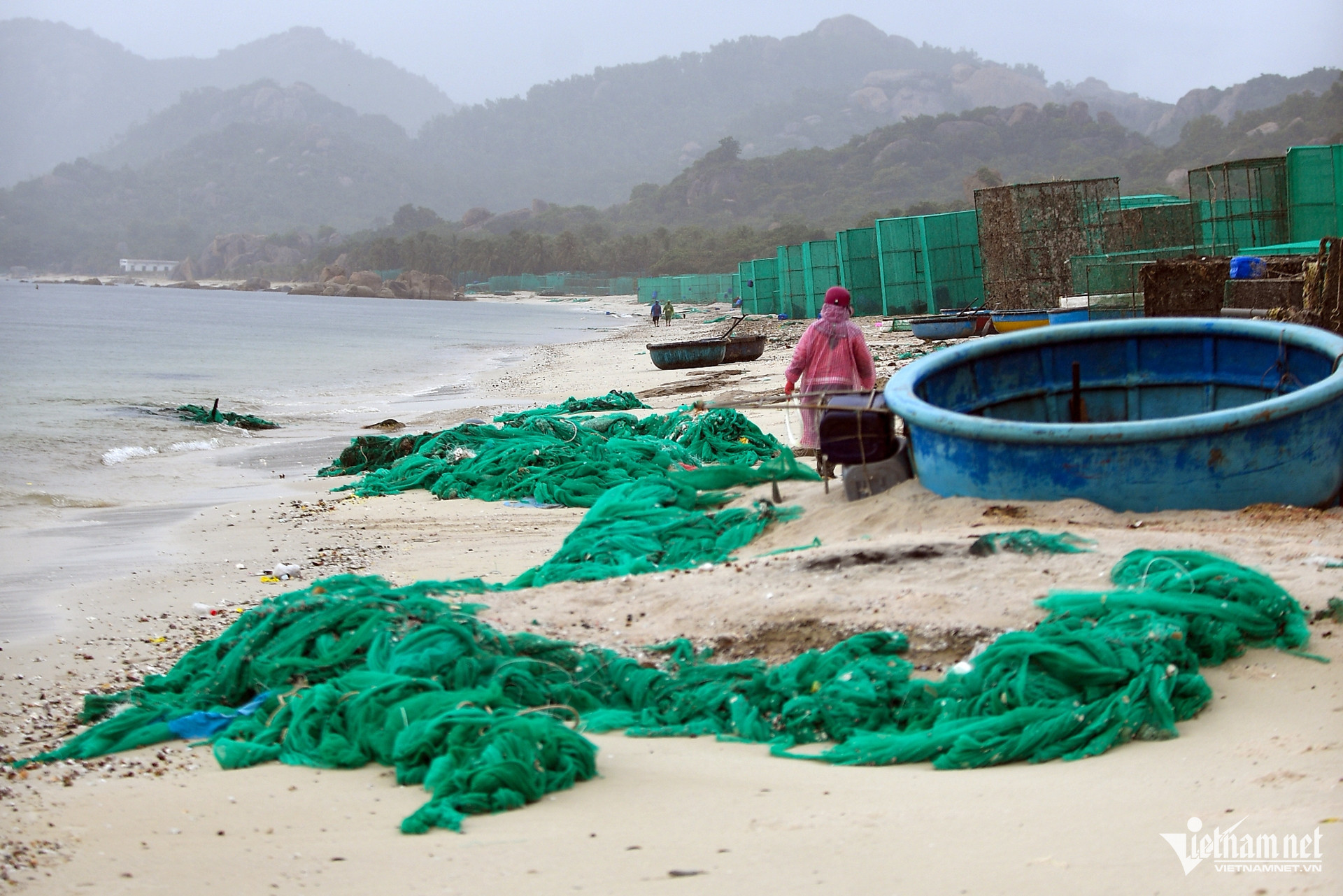
Waves carried rubbish back onto the shore, where it became tangled in fishing equipment and accumulated along the sand, polluting the coastal environment and disrupting the daily lives of local residents.
Nguyen Van Tien, a resident of Binh Lap hamlet, recalled that the area once had clear blue water and attractive sandy beaches, drawing large numbers of visitors for swimming and recreation on weekends and public holidays.
Over the past few years, however, waste from lobster farming has steadily increased. Feed packaging, damaged nets and other discarded materials have accumulated underwater or washed ashore, dramatically changing the coastal landscape.
"The beach is now heavily polluted with rubbish. Sometimes the seawater turns murky and smells terrible. People are afraid to swim because they worry about itching, and many have developed skin inflammation after swimming here," Tien said.
He added that the beach, once a popular gathering place for local families, has become increasingly deserted because of the pollution.
Truong Van Hoa, a longtime resident of Binh Lap, said the problem had persisted for approximately three years, coinciding with the rapid expansion of lobster farming and improper cleaning practices for aquaculture cages.
Every day, hundreds of cages are brought into the area for cleaning, but the resulting waste is not properly collected, allowing rubbish to accumulate.
According to Hoa, many cage owners come from outside the locality, while waste management has received insufficient attention.
Residents have repeatedly submitted petitions to local authorities, calling for measures to address the pollution and restore the beach to its former condition.
Nearly $570,000 needed to reorganize aquaculture zones
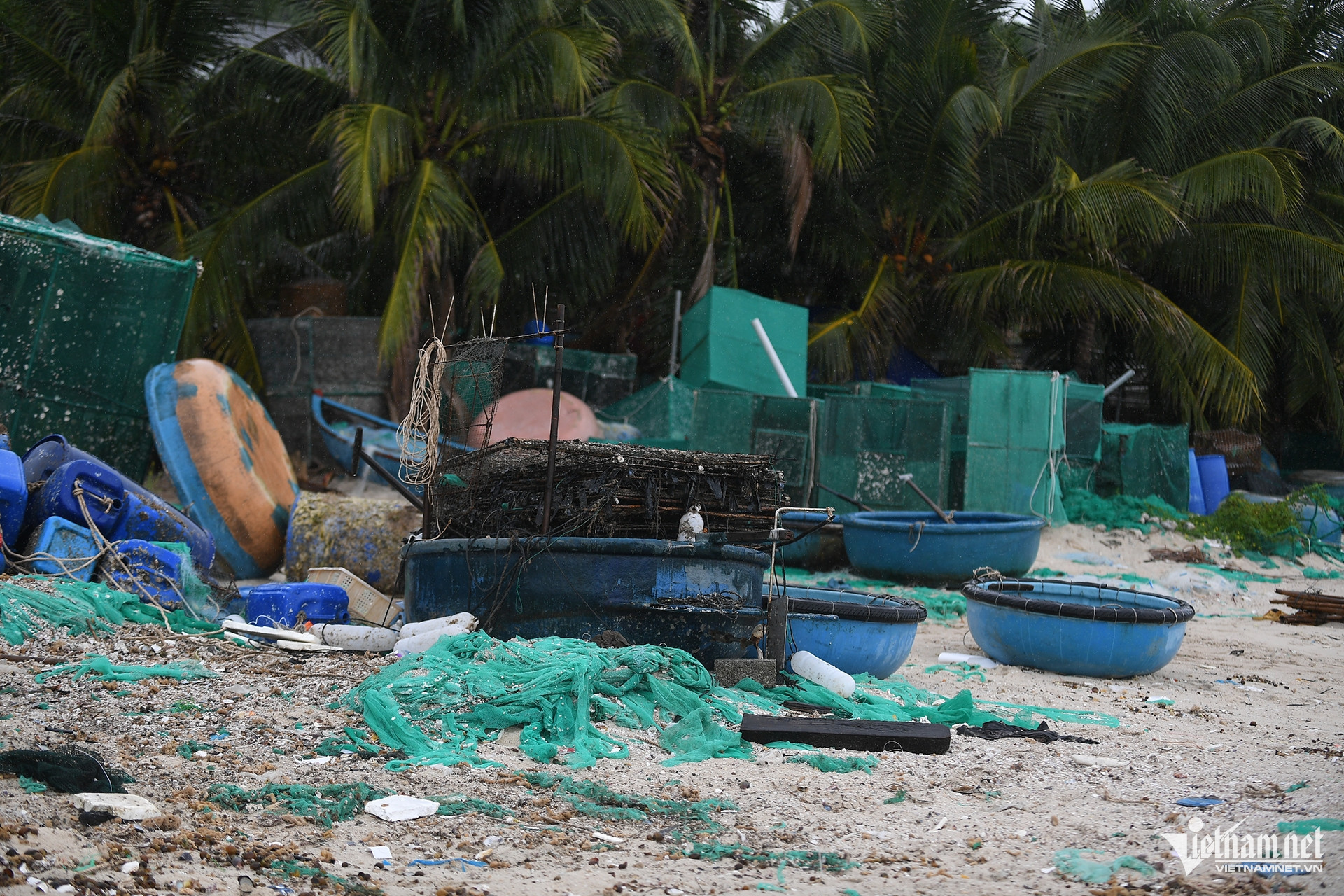
Speaking to VietNamNet, Nguyen Binh Nam, vice chairman of the Nam Cam Ranh Commune People's Committee, acknowledged that pollution along Binh Lap beach has worsened because some aquaculture farmers improperly dispose of waste while cleaning their cages.
Local authorities have conducted environmental awareness campaigns, but the dumping of waste has continued.
Another challenge is the lack of a suitable collection and treatment service for plastic waste generated by lobster farming.
Cam Ranh Urban Joint Stock Company currently collects household rubbish but does not handle waste from aquaculture operations.
Nam said fish and lobster cage farming in some coastal areas has developed spontaneously and at high densities, making it difficult for authorities to regulate operations and monitor water quality.
According to a survey of aquaculture activities in Cam Ranh Bay, an 884-hectare farming zone is planned along the eastern coast of the former Cam Lap Commune, now part of Nam Cam Ranh Commune.
However, many households are already raising lobsters and other aquatic species in the area, complicating efforts to establish farming boundaries and manage aquaculture activities.
To address the problem, local authorities estimate that approximately VND15 billion (about $570,000) will be needed to install boundary marker buoys, define designated farming areas and review existing aquaculture operations.
Once the survey is completed, officials will develop criteria for selecting eligible farming households and reorganizing cage locations.
Those who fail to meet the requirements will be asked to transition to other occupations to reduce pressure on the marine environment.
The proposed measures are intended to improve environmental management, restore order to coastal aquaculture activities and promote more sustainable seafood farming in Cam Ranh Bay.
Xuan Ngoc

