 Vietnamnet.vn

 Podcast



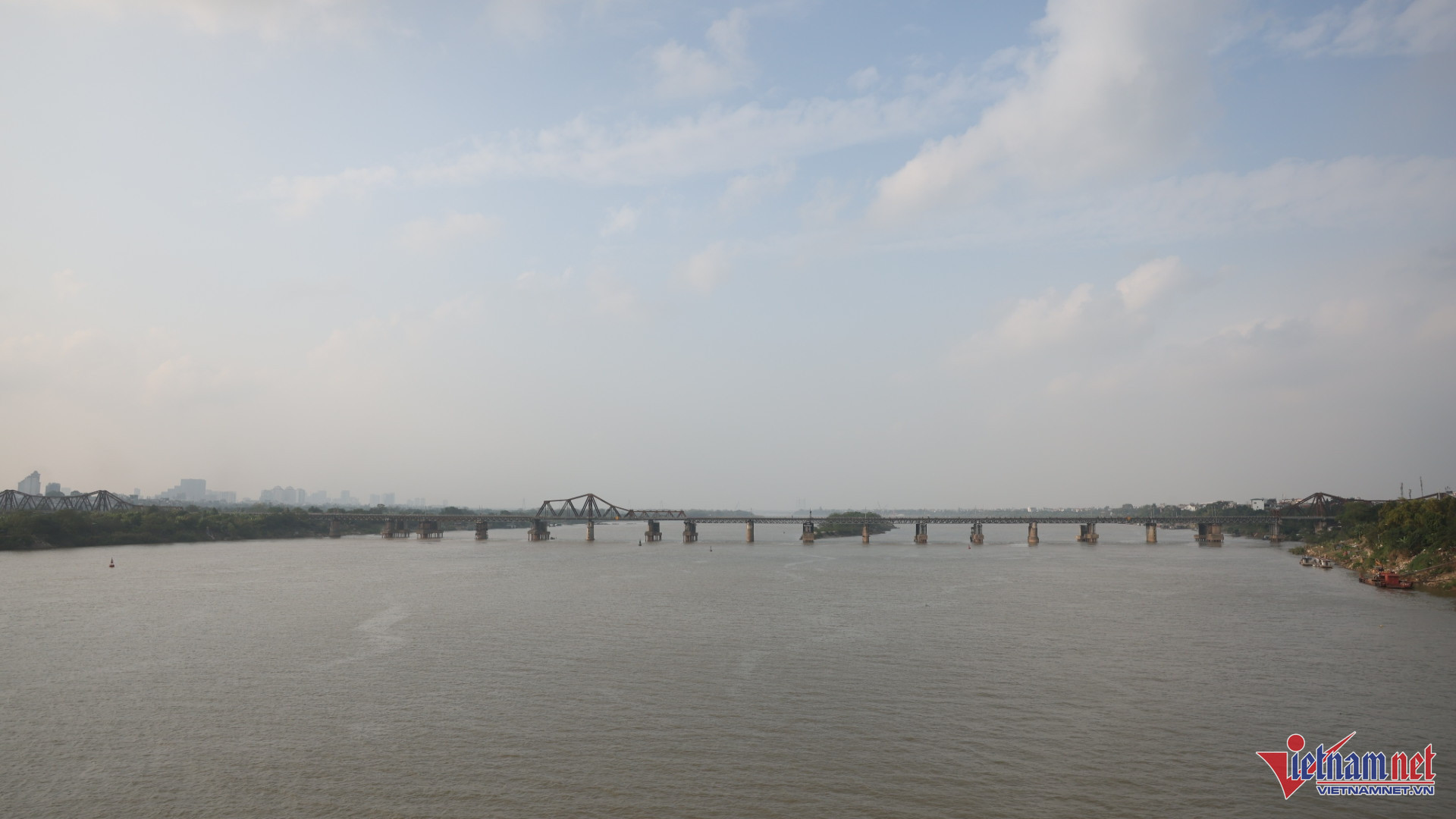
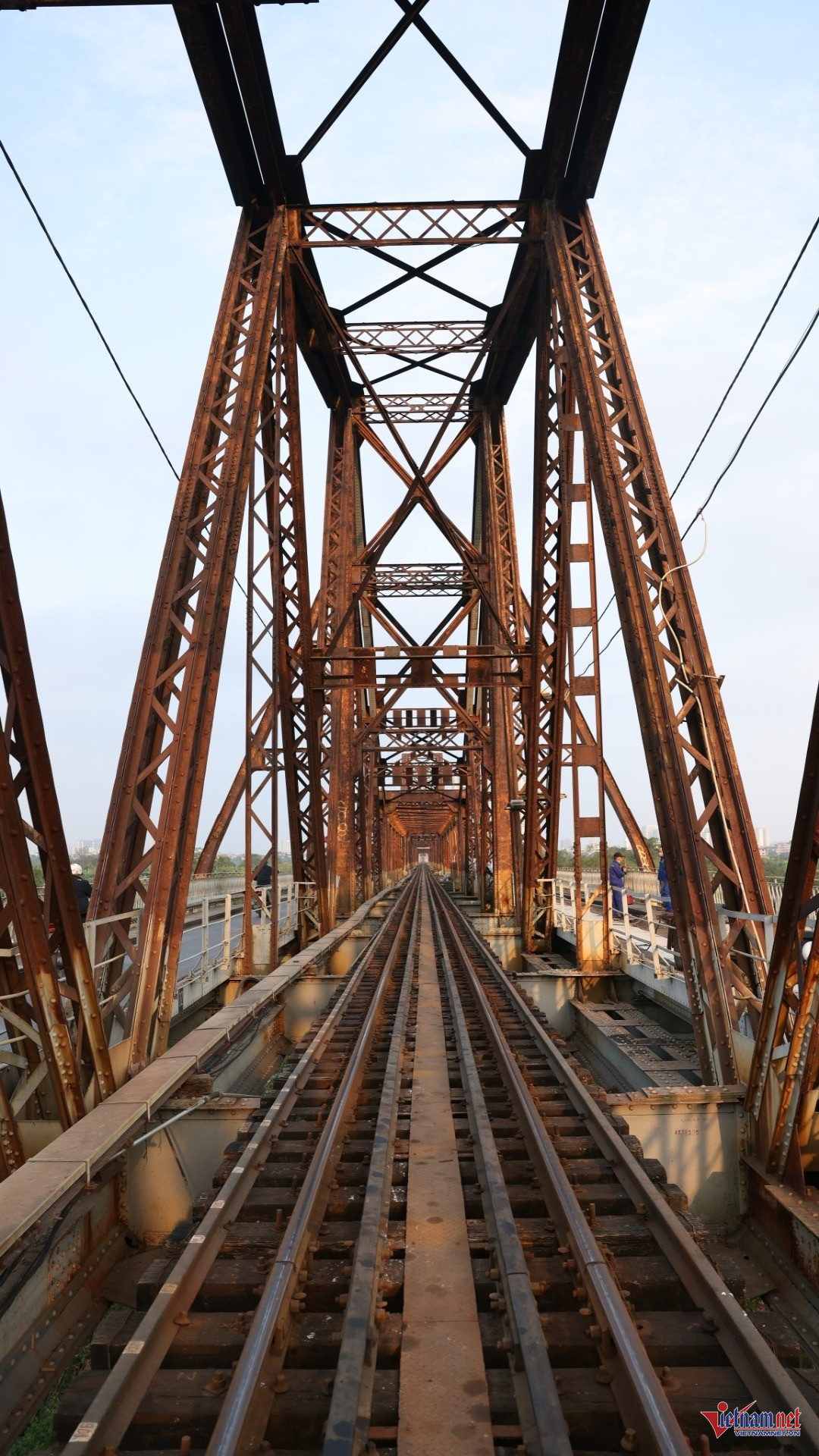
In Hanoi, renovation works are in progress on the iconic Long Bien Bridge, where aging components are being replaced after years of heavy use and exposure.
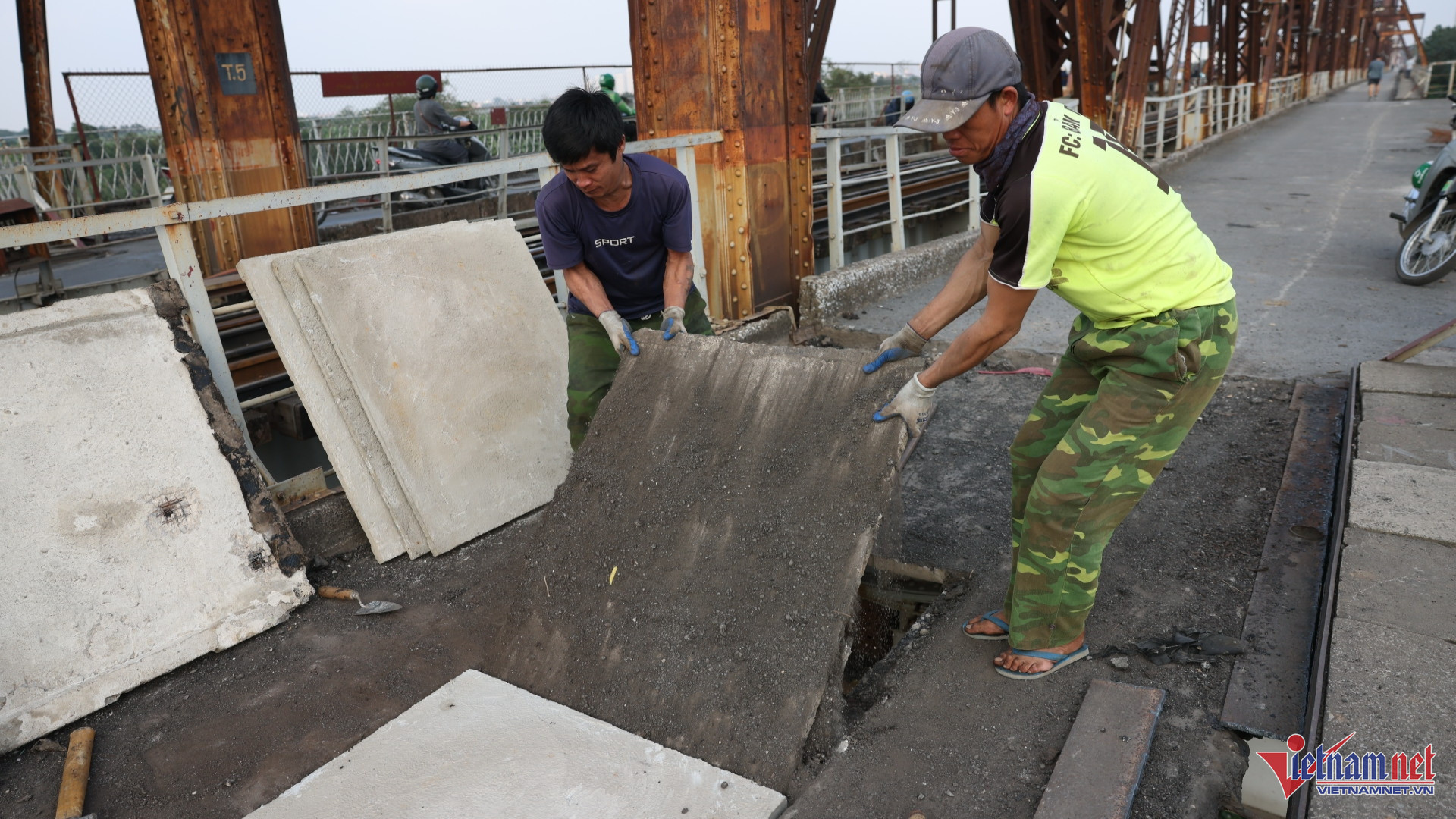
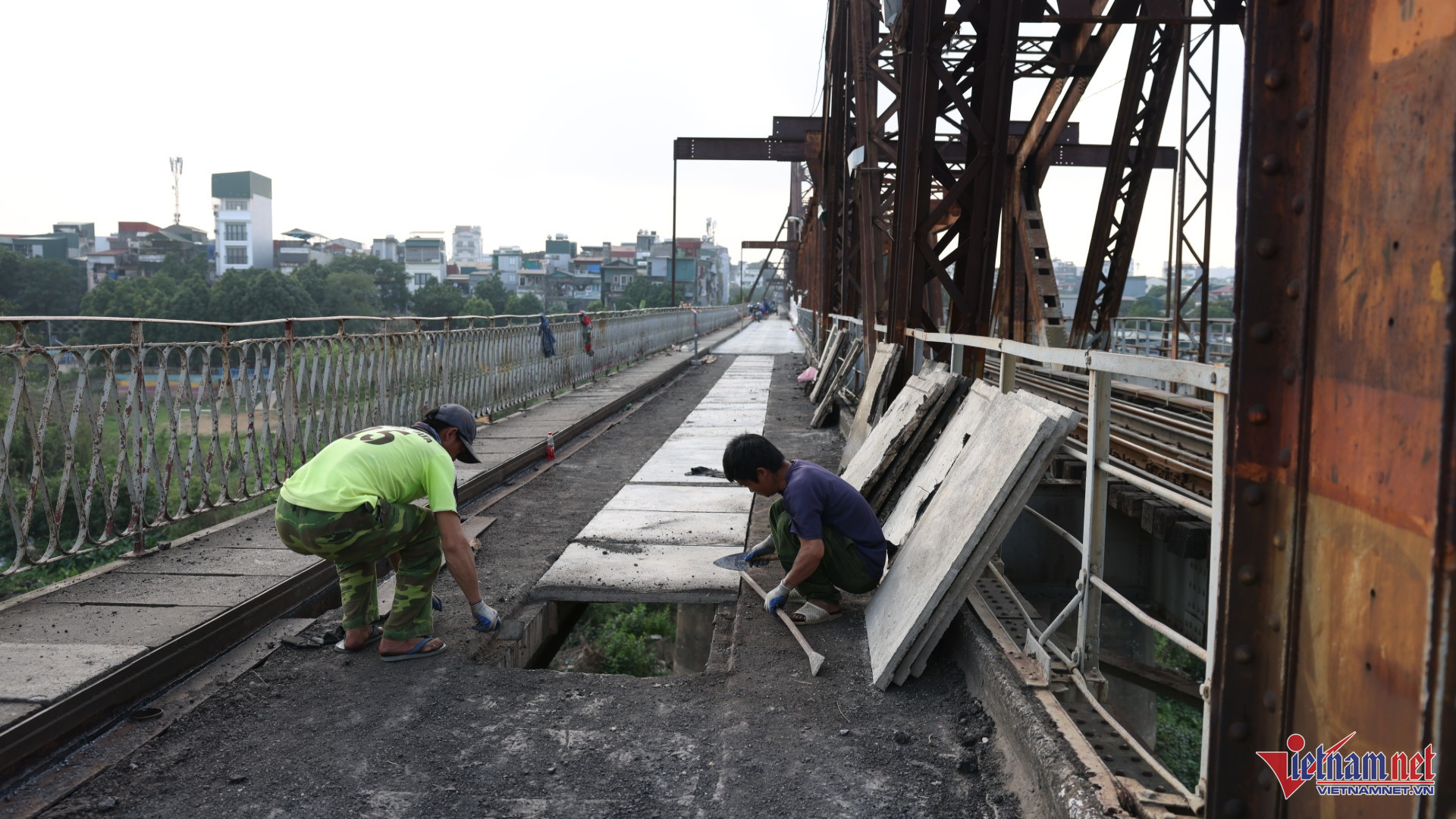
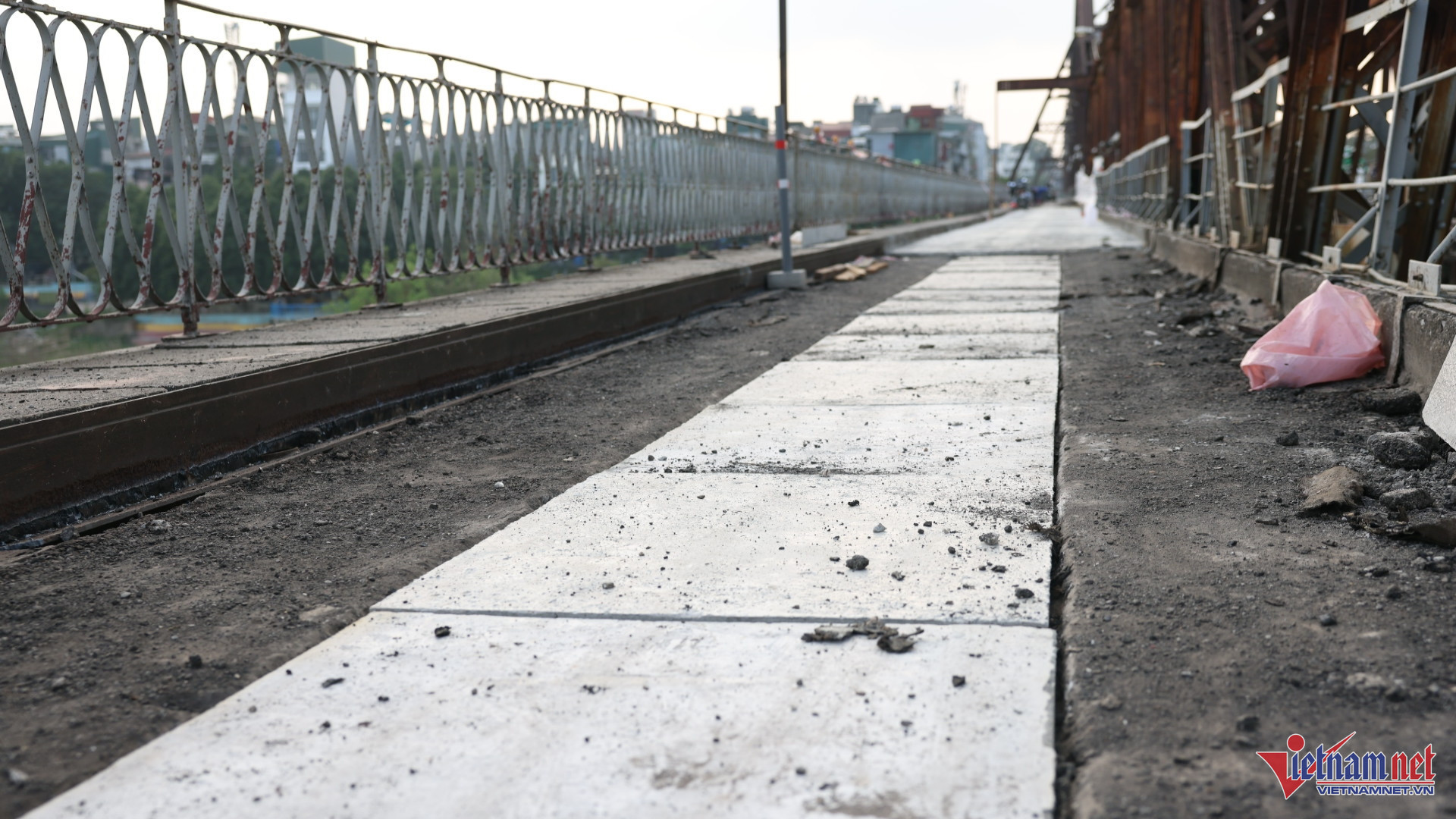
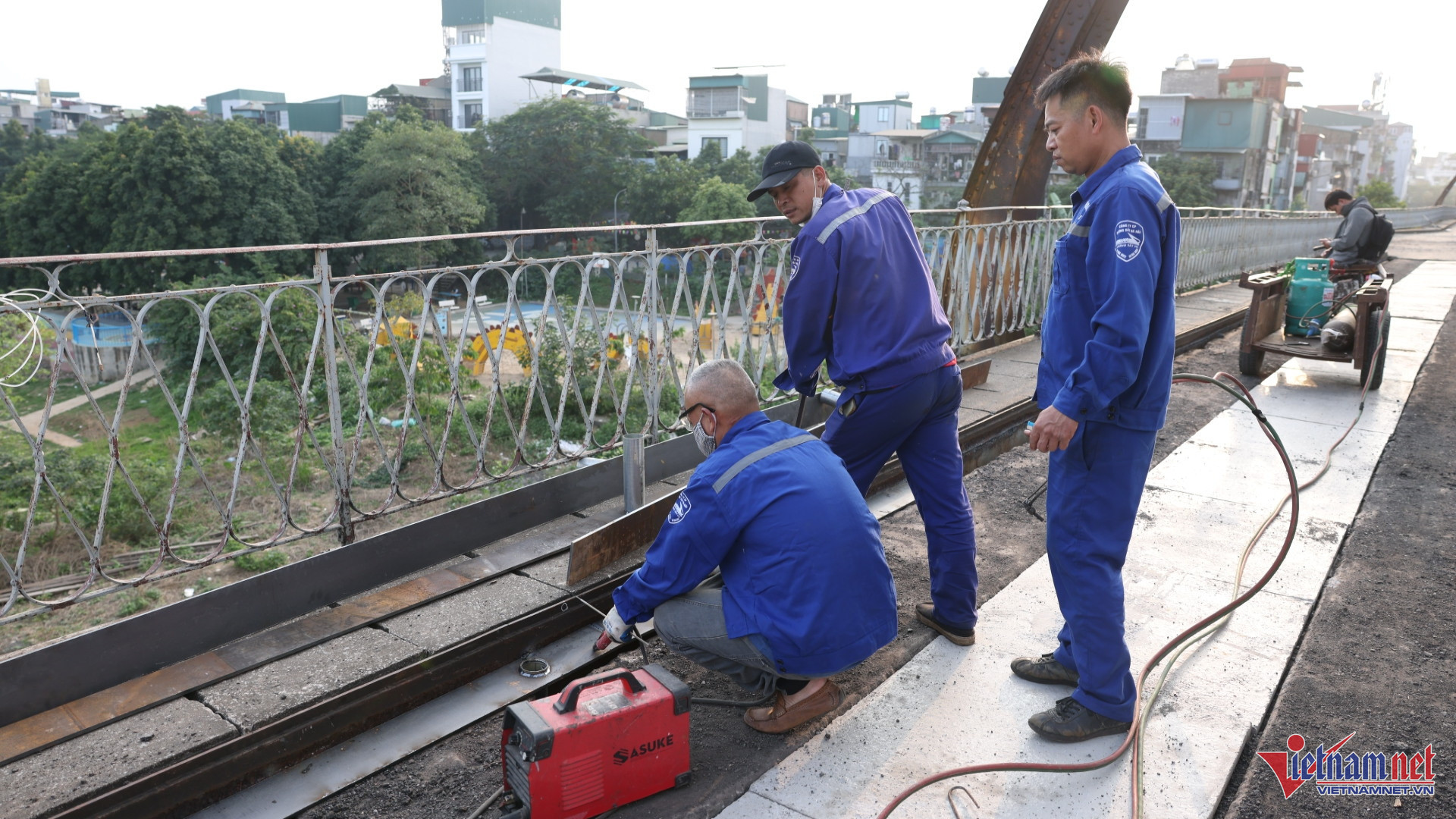
Contractors are installing new concrete panels and steel drainage channels to replace deteriorated sections that have long shown signs of decay.
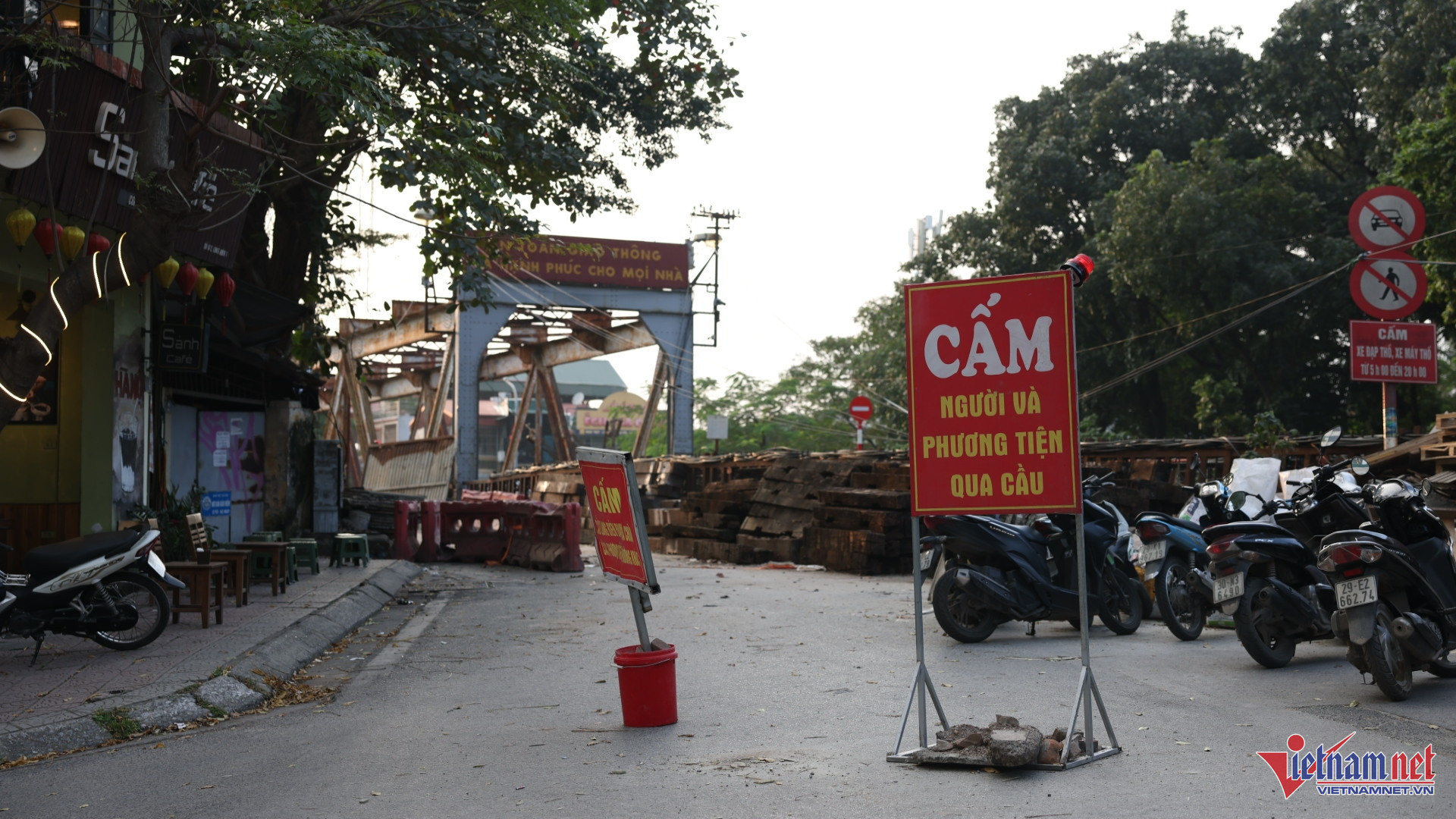
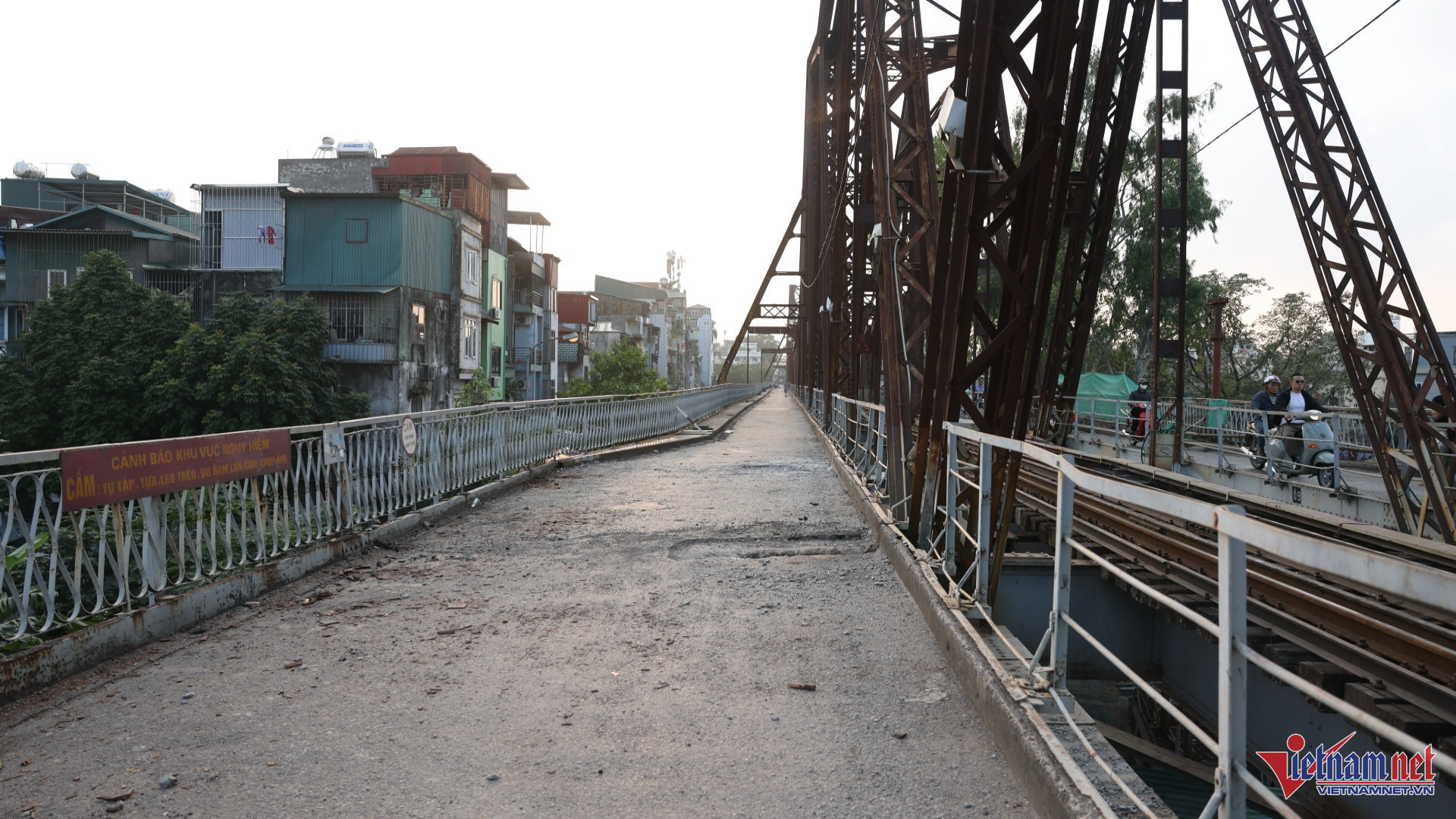
To facilitate the repairs, authorities have temporarily banned traffic on the lane heading from Bo De Ward to Hoan Kiem District.
At several spans of the bridge, workers are actively removing and replacing old concrete slabs on the road surface. Once in place, the new panels will be topped with an additional layer of concrete for enhanced durability.
According to an on-site technician, the new panels are made with grade 400 concrete, providing a smooth surface and superior load-bearing capacity to replace the severely damaged roadbed. The use of high-strength concrete helps distribute weight evenly and prevents cracking under foot and vehicle traffic. In addition, steel drainage systems are also being upgraded during this restoration phase.
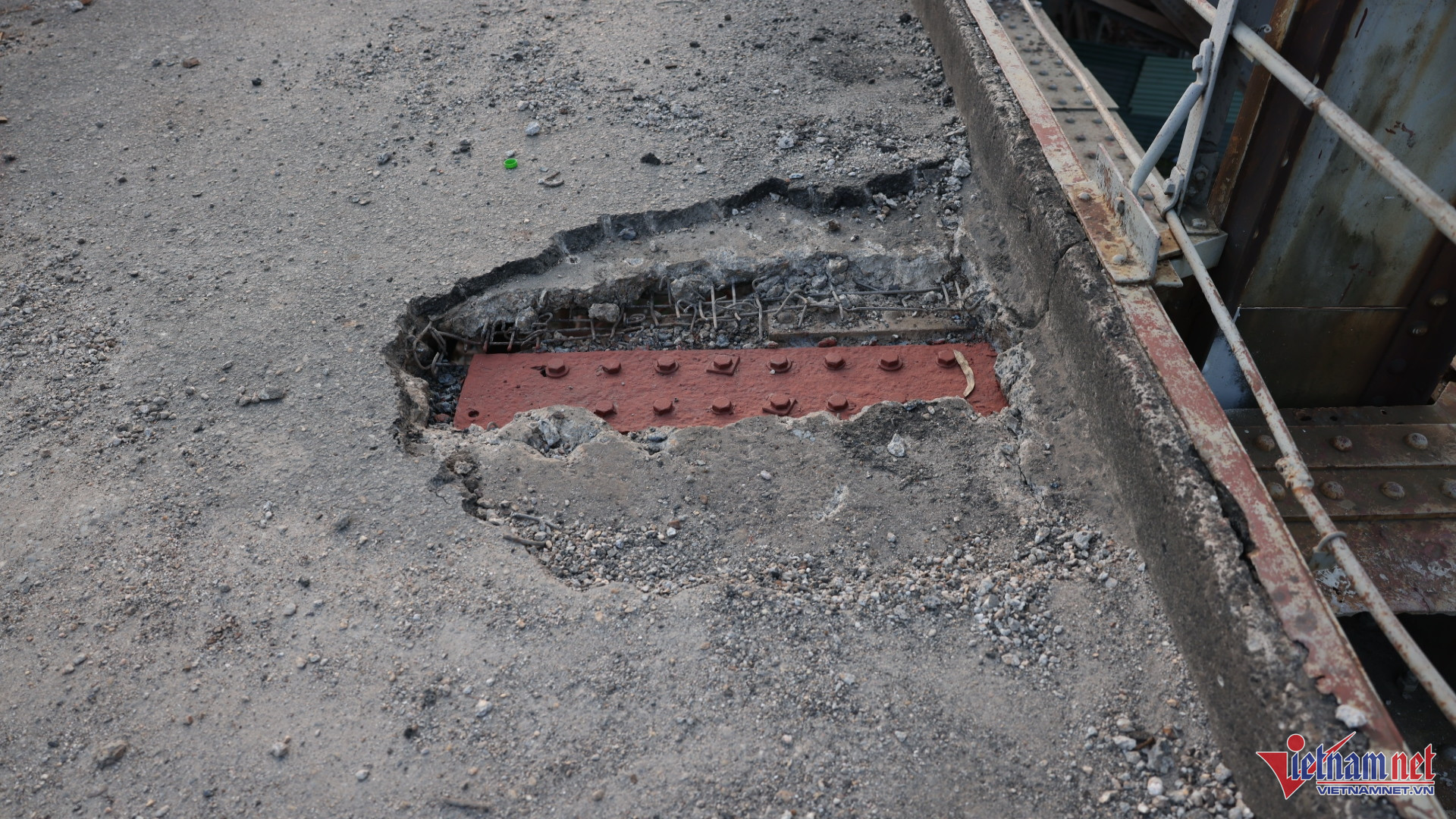
Previously, prolonged use had led to corrosion of wind braces, rotting of wooden support bearings, and damage to several temporary steel piers. The road surface on both sides of the bridge also showed signs of rust and wear at several girder joints.
The construction project spans 61 days, from November 1 to December 31, during which time all lanes designated for non-motorized vehicles heading from Bo De to Hoan Kiem are closed.
This one-way restriction has led to a sharp increase in traffic volume on Chuong Duong Bridge, resulting in frequent congestion during morning and evening rush hours.
.svg)
