 Vietnamnet.vn

 Podcast



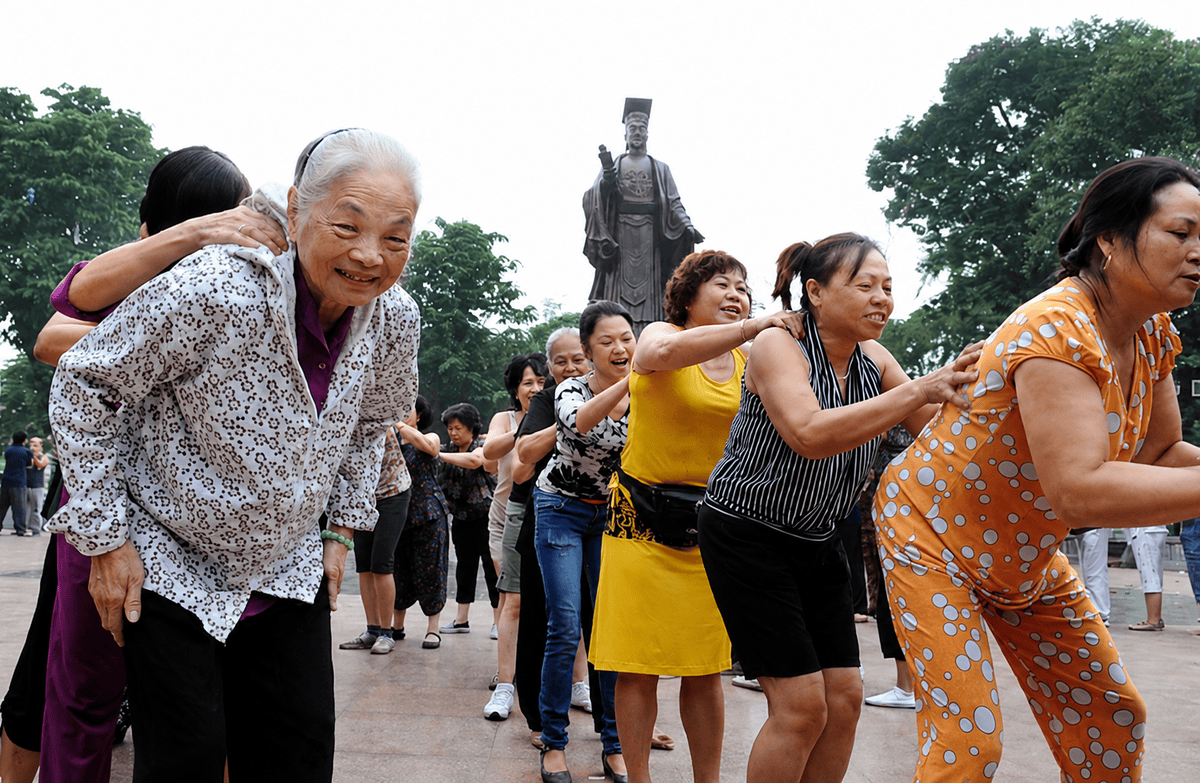
Prof. Dr. Giang Thanh Long said that narrowing the "social safety void" is essential to ensure no one is left behind.
Amid rapid population aging, some elderly individuals lose their capacity to work or face major economic hardship before reaching age 75. Expanding the allowance coverage would provide elderly citizens without pensions a minimum income source and reduce burdens on their descendants. Reducing the eligibility age for social retirement allowances is necessary.
Prof. Dr. Giang Thanh Long, from the School of Economics and Public Management (National Economics University), is a leading expert on policies for the elderly. He supports lowering the eligibility age for social allowances among those lacking pensions. The core concern, he emphasizes, is identifying the "social safety void" - the group entering old age without any stable income source to sustain their daily lives and healthcare.
Population aging outpaces pension expansion
According to Long, Vietnam has made numerous social security policy adjustments to adapt to population aging. However, over the next 10 to 30 years, the system must continue reforming to keep pace with the rapid rate of aging.
The latest forecasts from the Statistics Office indicate that Vietnam will transition into an aged population stage by 2034, two years earlier than previously projected.
According to Long, the issue is not that pension funds will face immediate imbalance, but rather that the current pension model fails to accommodate the characteristics of a rapidly aging society, while the majority of the workforce still operates in the informal sector with unstable earnings.
Currently, less than half of the labor force participates in social insurance, and only about 50 percent of elderly citizens receive pensions or social assistance.
"If this situation persists, a large segment of today's workforce will enter old age without contributory pensions, depending heavily on state relief, thereby increasing burdens on the budget and future working generations," Prof. Long said.
Without stable income, the elderly face health risks
According to the expert, if the social safety coverage gap is not narrowed, an increasing number of elderly people will lack stable retirement income. In an aging population context, this translates into growing healthcare pressure, shifting the burden gradually from social insurance funds to the state budget and individual households.
He pointed out that a "missing group" currently exists within the social safety net. These are individuals without pensions or social insurance allowances, lacking significant financial savings, no longer capable of working, receiving little support from children, yet not poor enough to qualify for social assistance.
"In other words, these are people ineligible for social insurance benefits who are also not poor enough to receive social assistance," he said.
Unless social insurance coverage, especially mandatory social insurance, is dramatically improved, this group will continue to grow in number in the coming years.
The cause lies not only in the large proportion of informal labor, but also in shrinking family sizes, diminishing support capabilities from children, and rising life expectancy that is not matched by improvements in a healthy life expectancy. This suggests that many individuals will spend additional years living with illness, driving up long-term healthcare needs.
Expanding social insurance coverage
To address the issue, Long believes that Vietnam should continue expanding social insurance coverage, while gradually lowering the eligibility age for social assistance among people without pensions, and developing a more universal social pension system to ensure a minimum level of social protection for older people.
However, he said the more important issue is to change the approach to policymaking.
"If the only goal is to increase social insurance coverage, a segment of the population may still be left behind without any guaranteed source of income in old age," he warned.
The expert proposed shifting the policy goal from "increasing social insurance coverage" to "minimizing the social protection gap." This approach, he said, would help authorities identify high-risk groups at an early stage and design appropriate policies, ensuring that no older person is left without a basic source of income while still being able to access essential care services as their health deteriorates.
Vietnam currently has 16.1 million older people, including around 9.4 million aged 65 and above. Most older people live in rural areas and previously worked mainly in agriculture or informal jobs, meaning they do not have pensions. The majority have no regular income or have low incomes and depend on financial support from their children and grandchildren.
Vu Diep
.svg)
