 Vietnamnet.vn

 Podcast



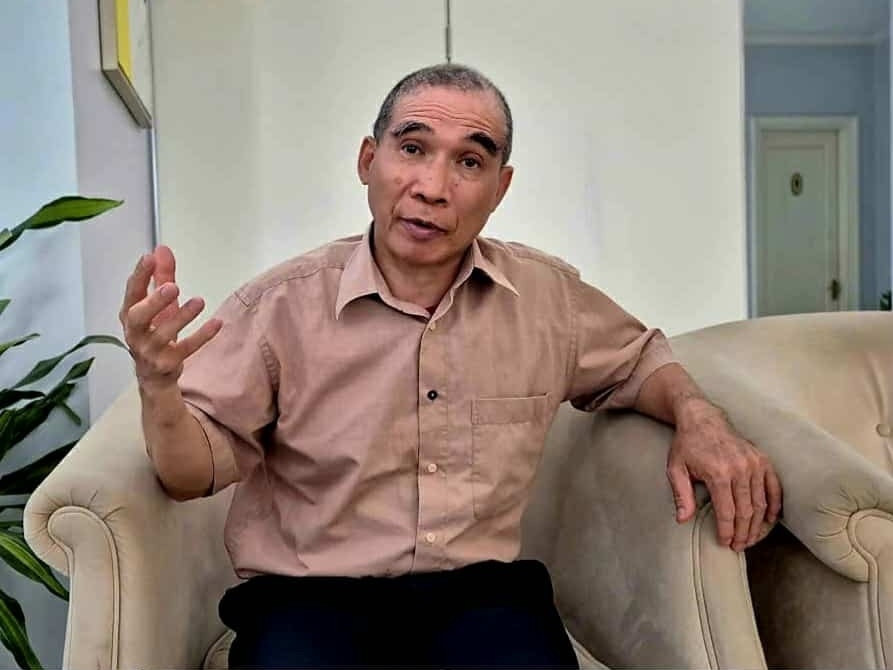
Dr Lang from the National Economics University emphasized that population aging should not be viewed merely as a welfare burden. Given appropriate policies, senior citizens can become a new economic resource.
The Ministry of Home Affairs is researching a proposal to lower the eligibility age for the social pension allowance from 75 to 70. Is this a necessary step amid Vietnam's rapid population aging?
I consider this a crucial step. Vietnam's population is aging rapidly, leaving a window of roughly 10 years to prepare for a graying demographic.
This trend is inevitable and unavoidable. Therefore, the State must proactively adapt and adjust policies in tandem with changing demographics, serving as both a response and a forward-looking strategy.
This policy aligns with aging trends while continuing to leverage the experience, prestige, and life wisdom of older generations, which younger cohorts cannot easily replicate.
Aging should not be viewed solely through a negative lens. Approached positively, senior citizens represent a vital resource. The key lies in creating solutions to cultivate, utilize, and extend their productive lifecycle.
Are you referring to developing a "silver economy"?
Precisely. The "silver economy" is an ecosystem where senior citizens are both beneficiaries of care and drivers of economic development.
In Japan and South Korea, I have seen individuals aged 60 to 70 driving taxis, working as tour guides, and occupying various roles. In a digital economy, many tasks demand precision, care, and experience rather than speed - areas where older adults hold a distinct advantage.
Rather than viewing seniors purely as a vulnerable group requiring aid, we should enable those with good health and capability to continue participating in suitable labor markets.
If eligibility expands to cover the 70–74 age bracket, how will this policy impact seniors who don’t have pensions?
Given limited resources, offering high support levels to all seniors immediately is unfeasible. Policies must progress step-by-step, prioritizing those lacking pensions or stable incomes.
The long-term objective is ensuring no one is left behind, grounded in budgetary capabilities and a clear roadmap.
Crucially, every implementation phase should be evaluated using empirical data to refine policies, narrow disparities, and maintain social equity.
Lowering the benefit age to 70 requires an estimated additional VND11.68 trillion annually. How do you assess this budget impact?
While significant, this allocation remains manageable if the budget is balanced effectively.
I view this VND11.68 trillion not merely as an expenditure, but as a direct investment in society. Investing in senior citizens reduces broader societal costs and relieves family caregiving burdens.
When healthcare and living standards are better secured, capable seniors can remain active in economic and social spheres.
If budgetary resources permit, this policy deserves priority because it secures social welfare while yielding long-term developmental returns.
Turning the aging challenge into an economic opportunity
With senior populations expanding over the next 5 to 10 years, how can the social security system maintain sustainability?
Preparations must begin immediately. As Vietnam enters an aged demographic structure, social insurance funds, pensions, social relief funds, and welfare resources must be reinforced.
Sustaining social security demands economic growth; cultivating tax revenues through growth is essential to feed these funds.
Simultaneously, population scenarios for the next 10 to 20 years must be modeled, calculating senior totals, life expectancy, and especially healthy life years.
As per capita income rises, policies should be revised to direct resources toward vulnerable groups. High-income individuals with strong pensions could receive reduced support, freeing up resources for those facing hardship.
Can lowering the eligibility age for the social pension allowance to 70 serve as a catalyst for the "silver economy"?
I believe this could serve as an initial catalyst.
We need to recognize the full potential of the silver economy. Issues historically viewed through a welfare lens can become economic drivers.
Seniors generate demand for healthcare, pharmaceuticals, assistive devices, and care services, creating fertile ground for business investment and innovation. This extends to senior tourism, housing, specialized care services, supportive technologies, and tailored financial products.
With supportive State policies, businesses will recognize market opportunities and invest confidently in the silver economy.
Vu Diep
.svg)
