 Vietnamnet.vn

 Podcast



Part 1: VND1 quadrillion allocated for development to support 8% growth target
All policies and actions demonstrate that the 2025 state budget expenditure is being managed proactively and flexibly to achieve socioeconomic development goals, institutional reform, and national capacity in strategic areas.
The following is the second part of the interview given to VietNamNet about measures to obtain the GDP growth rate of 8 percent in 2025 by Duong Tien Dung, Deputy Director of the State Budget Department under the Ministry of Finance.
Could you please tell us about the public investment expansion in 2025, the final year of the 2021-2025 plan, in comparison with the previous years?
In 2025, the expenditure on public investment will continue to be accelerated to support economic recovery and growth. The National Assembly has approved a public investment expenditure estimate of VND790.7 trillion for 2025, a 16.7 percent increase from the previous year’s VND677.3 trillion.
Additional funds from carryovers and increased central budget revenue in 2024 will further supplement this. The total public investment capital in 2025 is expected to reach nearly VND1 quadrillion, a record high, clearly reflecting the determination to promote economic growth, with public investment as a key driver.
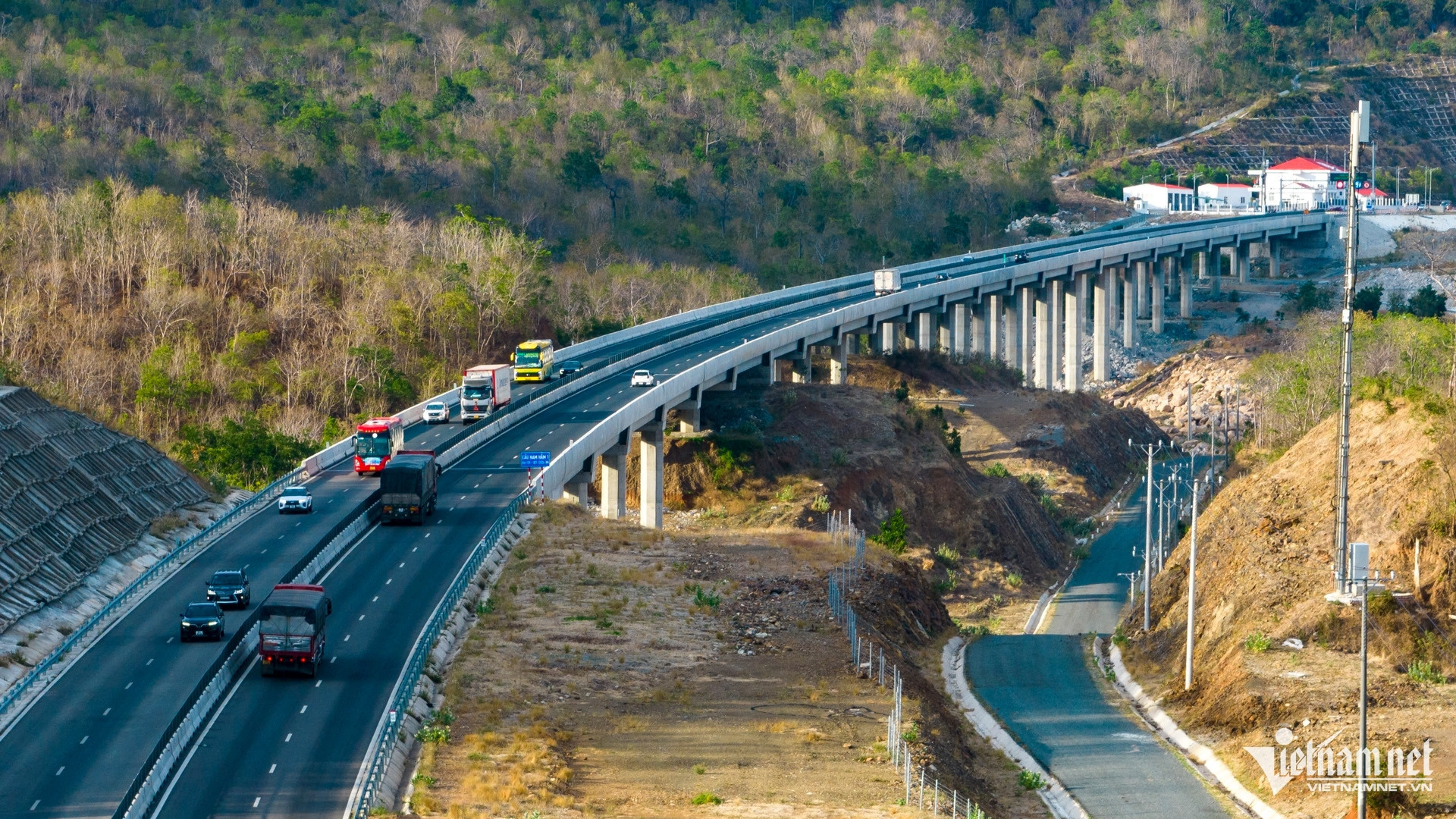
Efforts will be made to continue to restructure public investment, addressing the fragmentation and inefficiency which has been existing for many years. This year’s investment capital will be disbursed for national priority projects, particularly strategic infrastructure such as highways, airports, and key transportation projects that enhance inter-regional connectivity and drive regional and national development.
Prioritizing investment in infrastructure development not only creates economic momentum but also realizes the Government’s consistent approach to flexible, focused, and prioritized fiscal management throughout its tenure. This is a key measure to achieve the GDP growth target of 8 percent or higher in 2025.
Significant improvement in disbursement rates
Could you please outline the revenue-expenditure picture for the first half of this year?
The state budget performance in the first six months of 2025 showed many positive signs. Total revenue was estimated to reach about 66.2 percent of the annual plan, a relatively high level, providing a solid foundation for fiscal policy management in the second half of the year.
Strong revenue growth is driven by many factors. First, the continued economic recovery has sustained stable and growing revenue sources. Revenues from corporate income tax, personal income tax, and other sources, which are declared and settled at the beginning of the budget year as per regulations, have increased significantly.
Additionally, tax and customs authorities have strengthened revenue management, enhanced inspections, and expedited collections in areas such as e-commerce, fixed-rate business households, electronic invoices, and anti-commercial fraud.
One of the most noteworthy things was the increase in revenue from land use fees. While last year’s land use fee collection after six months was just over 40 percent of the plan, this year it exceeded 91 percent, increasing both in percentage and absolute value.
State budget expenditure in the first half was estimated at 42.2 percent of the plan, a significant increase compared to the same period in previous years, reflecting improvements in disbursement and task implementation, particularly in development investment, with disbursement rates improving notably in recent months.
From April onward, the pace of investment capital disbursement has improved significantly. Total disbursed investment capital in the first six months reached about VND268 trillion, a sharp increase from last year’s VND188 trillion, representing a 42.3 percent rise in absolute value.
In the first half of the year, disbursement was estimated to reach 32.5 percent of the plan assigned by the Prime Minister, higher than the 28.2 percent in the same period of 2024. This increase was considered positive and aligns with the fiscal policy approach to promote economic growth.
The figures showed the result of close oversight by the Government, the Prime Minister, Deputy Prime Ministerss, and Ministers, who have established multiple task forces to expedite progress. Ministries, sectors, and localities have been required to coordinate closely, review, and resolve bottlenecks.
To achieve the GDP growth target of 8 percent in 2025, alongside tasks implemented in the public investment plan, the Government is proposing to competent authorities a plan to allocate additional 2024 central budget revenue, with a significant portion dedicated to increasing development investment spending.
This means that the scale of investment expenditure in 2025 will not only be substantial in the planned budget but will also be significantly supplemented by other sources. This is a critical fiscal preparation to support growth and achieve medium- to long-term infrastructure development goals.
Some international financial institutions recommend that Vietnam use fiscal policy as a tool to boost the economy due to its low public debt-to-GDP ratio. What is your view on this?
In the coming period, several major projects will be launched, notably urban railway projects in Hanoi and HCM City, the Hanoi – Hai Phong – Lao Cai railway, and other strategic infrastructure projects in the national transportation plan. These require thorough preparation from ministries, sectors, and localities to proactively balance and allocate resources and implement them effectively, creating momentum for economic growth from 2025 onward.
Tu Giang
.svg)
